Difference Between Spinach And Baby Spinach

There’s something quietly satisfying about adding a handful of greens to a meal—whether it’s a quick lunch, a weeknight dinner, or a simple smoothie. Among the most versatile...
There’s something quietly satisfying about adding a handful of greens to a meal—whether it’s a quick lunch, a weeknight dinner, or a simple smoothie. Among the most versatile and nutrient-packed choices, spinach stands out as a favorite for its mild flavor and quick adaptability. But step into the produce aisle, and you’ll often see two options: standard, mature spinach and its smaller, more tender counterpart, baby spinach. While they share the same botanical family, their differences in texture, taste, and best use can truly elevate your everyday cooking and nutrition.
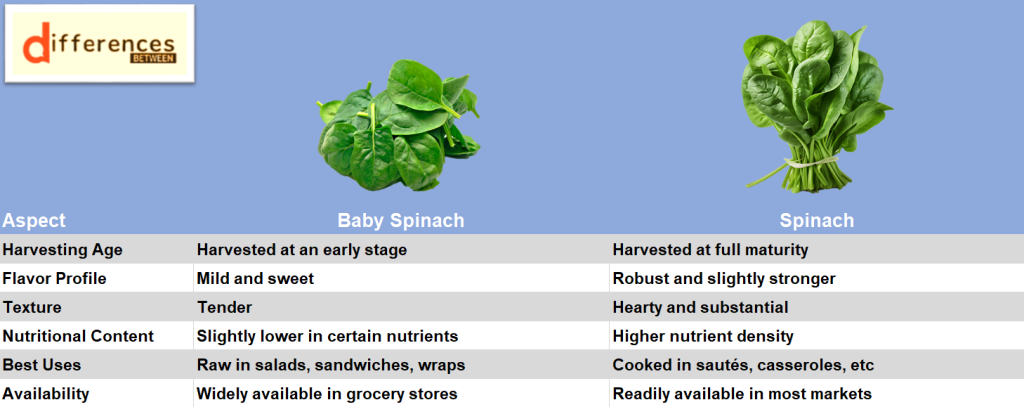
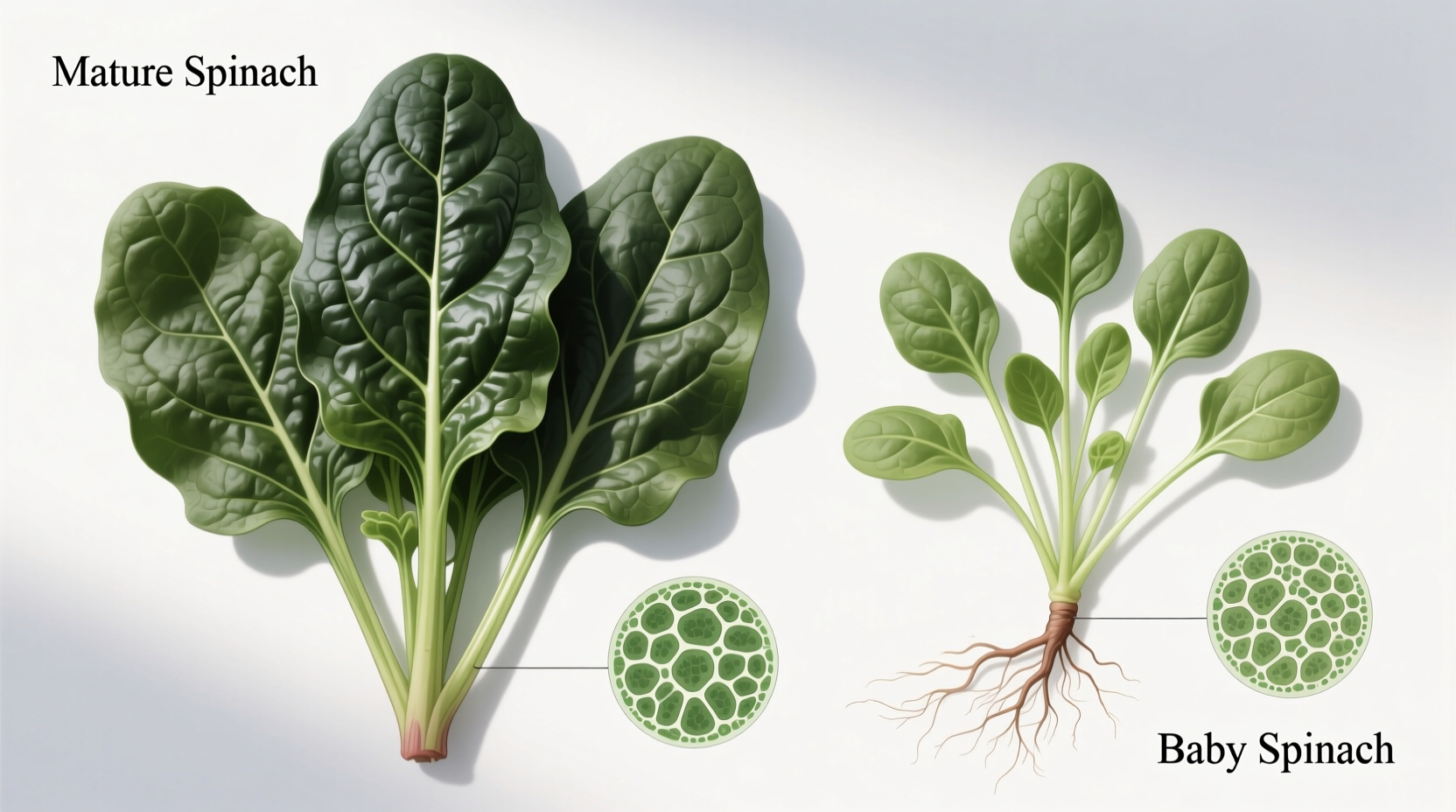
The most noticeable difference lies in their age and size. Mature spinach is harvested when the leaves are fully grown, often reaching several inches in length. Its leaves are thicker, darker green, and sometimes slightly crinkled or curly. In contrast, baby spinach is picked early—typically between 15 and 35 days after planting—when the leaves are small, round, and exceptionally tender. This early harvest gives baby spinach a more delicate texture and a sweeter, less earthy flavor than mature spinach, which can have a slightly bitter or intense taste.
Texture and taste directly affect how you use each. Because mature spinach is sturdier, it holds up well to heat and is ideal for cooked dishes. Imagine sautéing it with garlic and olive oil for a warming side, or stirring it into soups, stews, and casseroles where it wilts but maintains some body. Baby spinach, however, is perfect raw. Its softness makes it a go-to for fresh salads—where it needs no chopping—or as a gentle bed for grilled chicken and roasted vegetables. Think of a crisp lunch salad with strawberries, nuts, and a light vinaigrette: baby spinach’s mildness lets the other flavors shine without being overwhelmed.
Must Read
From a nutritional standpoint, both are powerhouses, but there are nuances. Mature spinach tends to be slightly higher in iron and calcium per weight, thanks to its denser leaf structure. However, baby spinach often contains more vitamin C and folate, which are sensitive to heat and time. For everyday benefits, choose mature spinach when you want a concentrated nutrient boost in cooked meals—like adding it to omelets or pasta sauces. Use baby spinach when you want to maximize raw nutrient absorption, such as in smoothies or wraps, where its delicate leaves blend effortlessly without creating a coarse texture.
Cost and shelf life are practical considerations. Mature spinach is generally more economical per pound, and its tougher leaves often stay fresh longer in the refrigerator—up to a week if stored dry in a sealed bag with a paper towel. Baby spinach, being more delicate, has a shorter lifespan, sometimes wilting within three to four days. If you’re meal-prepping for a busy week, bulk purchases of mature spinach can be blanched and frozen for later use. For quick, last-minute meals, a bag of baby spinach is a convenient, no-prep option that adds instant greenery to any dish.
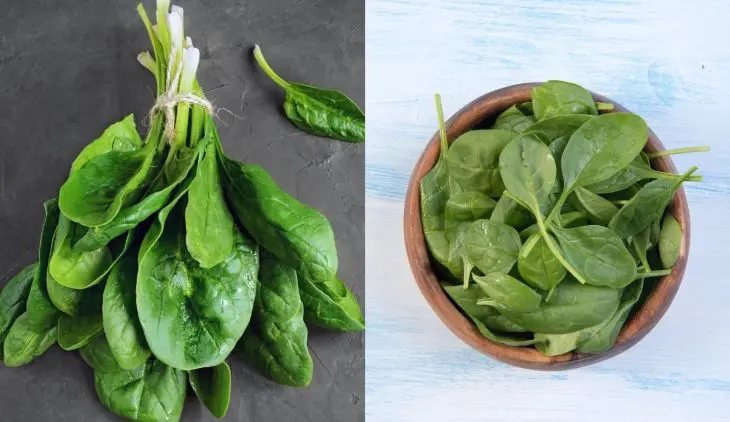 Differences Between Baby Spinach And Regular Spinach - Grower Today
To explore these differences in your own kitchen, start with a simple experiment. Try a side-by-side taste test: prepare a bowl of just-wilted mature spinach with salt and pepper, and another bowl of raw baby spinach with a squeeze of lemon. Notice how the mature leaves offer a heartier chew and deeper mineral flavor, while the baby leaves are smooth and subtly sweet. For a quick tip, reserve baby spinach for fresh applications like sandwiches or cold salads, and save mature spinach for recipes that involve cooking, such as saag paneer or creamy spinach dip. Another idea: use baby spinach as a vibrant, nutrient-rich base for grain bowls, while tossing mature spinach into the pot for lentil soup in the last five minutes of cooking.
Ultimately, the choice between spinach and baby spinach comes down to intention. If you want a robust green that can withstand heat and offer a heartier taste, reach for mature spinach. If you crave a soft, sweet leaf that works best raw or lightly wilted, baby spinach is your ally. Both bring vibrant color and essential vitamins to your plate, making it easy to enjoy greens every single day—no matter how you cook or dress them.