Difference Between Sour Cream And Greek Yogurt

There is a quiet satisfaction in finding the perfect finishing touch for a meal. Whether it’s a dollop of cool creaminess on a spicy taco or a spoonful of tangy richness on a...
There is a quiet satisfaction in finding the perfect finishing touch for a meal. Whether it’s a dollop of cool creaminess on a spicy taco or a spoonful of tangy richness on a baked potato, these small additions can elevate an ordinary dish into something deeply comforting. Both sour cream and Greek yogurt serve as versatile staples in kitchens around the world, prized for their ability to add moisture, balance heat, and introduce a pleasant tang. Their key purpose is to enrich flavors and textures, yet they are not interchangeable in every context. Understanding their differences helps you cook smarter, eat healthier, and avoid kitchen disappointments—like a dip that curdles or a sauce that tastes too sharp.
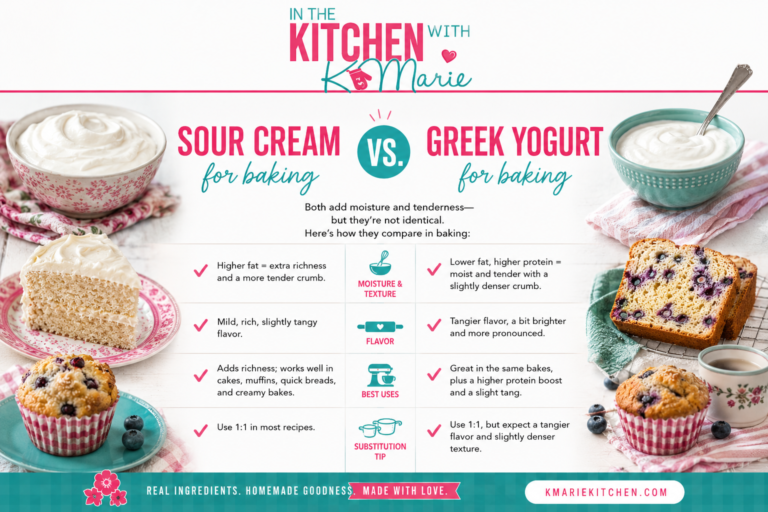
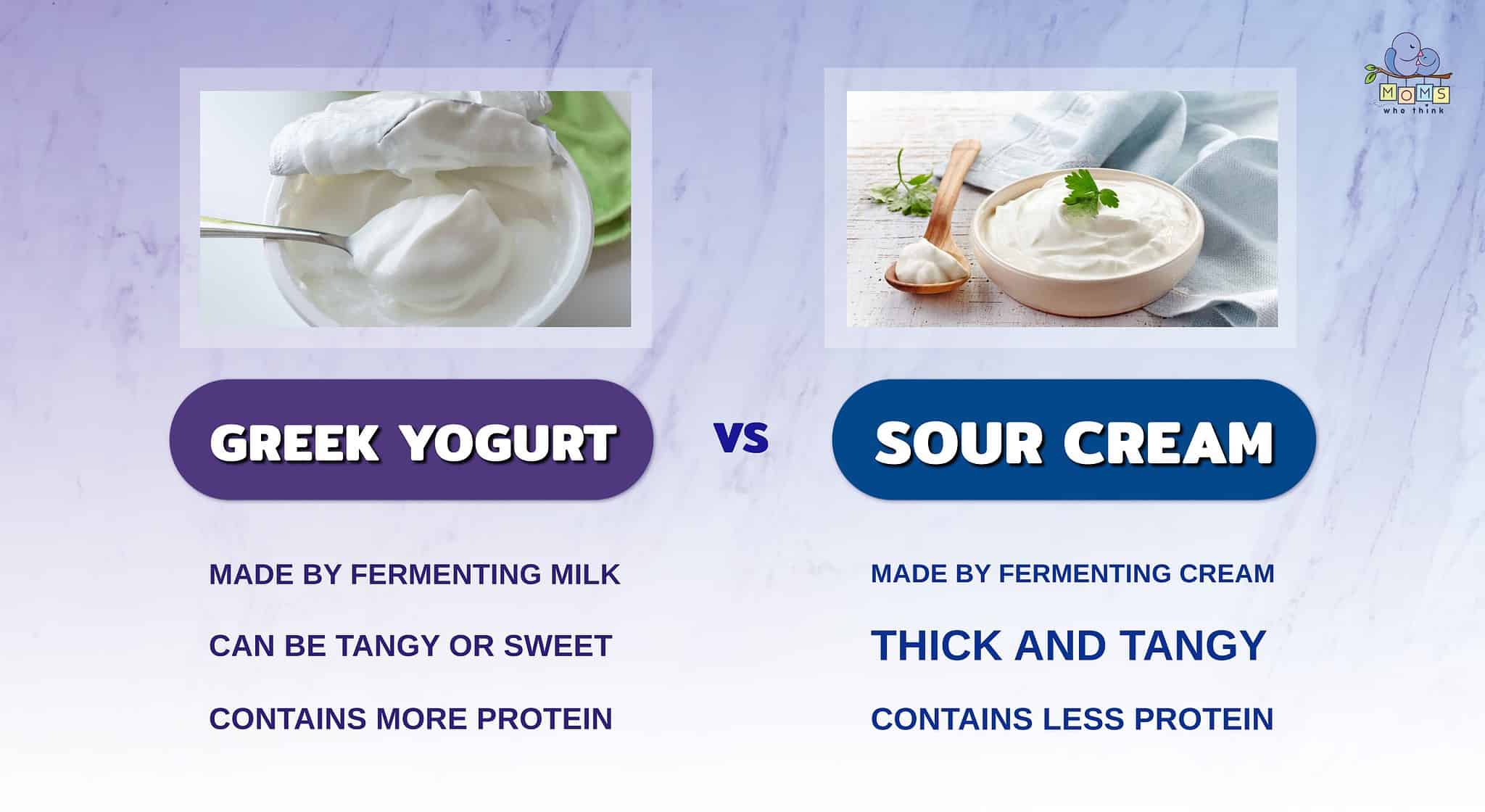
At their core, the difference between sour cream and Greek yogurt lies in how they are made. Sour cream is produced by adding lactic acid bacteria to light cream, which ferments and thickens it. The result is a smooth, rich product with a fat content typically around 18–20%. Greek yogurt, on the other hand, starts as milk that is fermented with bacterial cultures, then strained three times to remove much of the whey. This process gives Greek yogurt a much thicker, denser texture and a higher protein content—often double that of sour cream. For example, a 100-gram serving of Greek yogurt can contain 10 grams of protein, while sour cream offers less than 3 grams. For anyone prioritizing protein intake for muscle recovery or satiety, this is a crucial distinction.
When it comes to flavor and texture, the two ingredients diverge noticeably. Sour cream has a delicate, slightly sweet-tangy flavor with a lush, velvety mouthfeel that melts on the tongue. It is ideal for situations where richness without heaviness is desired—think of a classic stroganoff or a dollop on a bowl of chili. Greek yogurt is tangier and sharper, with a thicker, almost cheese-like consistency that holds its shape. This makes it excellent for spreading on a bagel or layering in a parfait. However, if you substitute Greek yogurt for sour cream in a hot sauce, the higher acidity can cause curdling, and its thick texture may not blend as smoothly. For a simple test, try topping a baked potato: sour cream melts into a silky crest, while Greek yogurt sits in a proud, pillowy mound.
Must Read
The nutritional profiles are where many people find their deciding factor. Sour cream is higher in calories and saturated fat, which makes it less ideal for daily use if you are watching your heart health or calorie intake. Greek yogurt, in contrast, is a powerhouse of probiotics, calcium, and, as mentioned, protein. For instance, a single serving of nonfat Greek yogurt contains around 60 calories versus 120 calories in an equal serving of regular sour cream. This makes Greek yogurt a valuable ally for weight management, post-workout recovery, or simply adding a protein boost to breakfast. However, bear in mind that low-fat or nonfat Greek yogurts often lose some of the rich mouthfeel that sour cream provides, so full-fat Greek yogurt is a better substitute when texture matters.
Practical cooking and baking applications highlight another key difference. Sour cream is beloved in baking for its ability to add moisture and tenderness without overwhelming the batter—it is the secret to a perfect coffee cake or flaky scone. Its lower acidity means it reacts gently with leavening agents. Greek yogurt, being more acidic, can interfere with baking soda and cause baked goods to brown faster or rise irregularly. However, Greek yogurt is stellar in cold preparations, like creamy dips, salad dressings, and smoothies, where its thickness provides body. A simple tip: when replacing sour cream with Greek yogurt in baked goods, use half yogurt and half milk to mimic the fat-to-liquid ratio. For savory dishes, always stir yogurt into warm (not boiling) sauces to prevent curdling.
 Greek Yogurt vs. Sour Cream: Which is Healthier and How Do They Compare?
Both ingredients shine in everyday scenarios if used wisely. Imagine you are making a quick dip for vegetables: sour cream gives a buttery, mild base that pairs beautifully with onion soup mix, while Greek yogurt offers a tangier, more nutrient-dense option that works well with fresh herbs and garlic. For a refreshing breakfast, Greek yogurt is the superior choice—swirl it with honey and berries. For a rich, indulgent topping on a dessert, sour cream is the classic partner. A helpful rule of thumb is to match the ingredient to the dish’s mood: use sour cream when you want comfort and indulgence; use Greek yogurt when you crave brightness and health benefits. You can also experiment by blending them—half sour cream, half Greek yogurt—to balance richness and protein.
To explore these differences yourself, start with a simple taco night. Serve identical tacos with both sour cream and Greek yogurt on the side. Notice how the sour cream coats the spicy beef with a cool, buttery smoothness, while the Greek yogurt cuts through with a sharper tang and stays firmer on the shell. Next, try swapping them in a classic ranch dip: sour cream creates a silkier, more traditional dip; Greek yogurt makes a tangier, thicker version that holds up better on a cracker. Finally, bake a batch of scones using sour cream, then try again the following week with full-fat Greek yogurt. Compare the crumb: sour cream yields a tender, fluffy interior; Greek yogurt produces a denser, slightly tangier scone. These small experiments will train your palate and help you choose the right ingredient for every meal.