Difference Between Red Potatoes And White Potatoes

Let’s be honest—standing in the produce aisle staring at a bin of red potatoes next to a bin of white potatoes can feel like a small, pleasant puzzle. It’s one of those everyd...
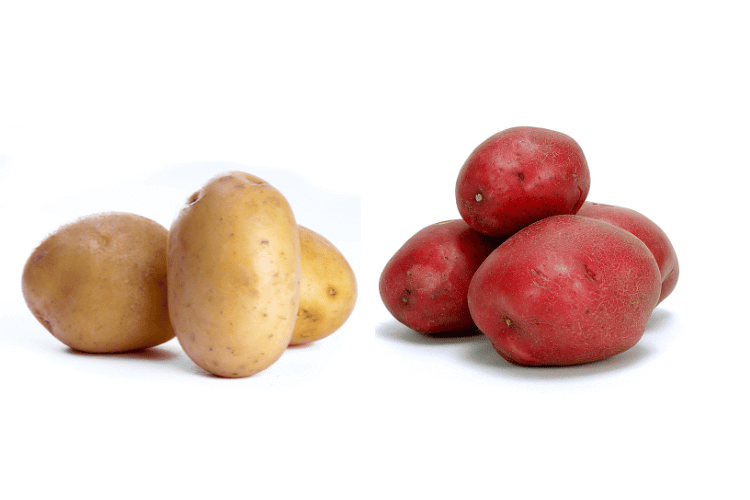
Let’s be honest—standing in the produce aisle staring at a bin of red potatoes next to a bin of white potatoes can feel like a small, pleasant puzzle. It’s one of those everyday kitchen questions that actually has a fun, practical answer. Whether you’re a busy parent trying to make quick weeknight dinners, a home cook aiming for the perfect mashed potatoes, or just someone who loves a good baked spud, knowing the difference really pays off. This isn’t about culinary snobbery; it’s about getting the best texture and flavor for your specific dish with almost zero extra effort.
At their core, both red and white potatoes are part of the same species, but their skin and starch content set them apart. Red potatoes have thin, rosy-red skins and a waxy, firm flesh. This means they hold their shape beautifully when boiled or roasted. White potatoes, on the other hand, have a more delicate, light-tan skin and a slightly higher starch content, making them a bit fluffier when cooked. Think of reds as the sturdy, reliable friends for potato salad, and whites as the soft, comforting ones for a creamy mash or a light baked potato.
One of the simplest ways to use this knowledge is in your next batch of potato salad. If you want chunks that stay intact and don’t turn into mushy bits, reach for red potatoes. Their waxy texture means they won’t absorb too much dressing or fall apart after a good stir. For a classic German potato salad with bacon and vinegar, reds are a star choice. Conversely, if you’re making a fluffy, buttery mashed potato, white potatoes are the ticket. They break down more easily, giving you that smooth, cloud-like consistency that soaks up butter and cream like a dream.
Must Read
The cooking method matters, too. For roasting, both work well, but with slightly different results. Red potatoes develop a crispy, golden crust on the outside while staying moist and dense inside—perfect for herbed roasted potatoes. White potatoes will get a crispier crust overall and a fluffier interior, which some people prefer for simple oven-roasted wedges. A handy tip: if you’re making smashed or crushed potatoes, reds are your best bet because they hold their shape when smashed but still get those delightful crispy edges.
What about nutrition and peeling? The good news is both are very similar in calories and nutrients, though red potatoes have a slight edge in antioxidants because of their colorful skin. Many people prefer to leave the skin on red potatoes—it’s thin, tender, and adds a nice pop of color. White potatoes have a slightly tougher skin, so you might want to peel them for mashed potatoes or soups. But if you’re short on time, you can absolutely leave the skin on white potatoes for roasting; just scrub them well.
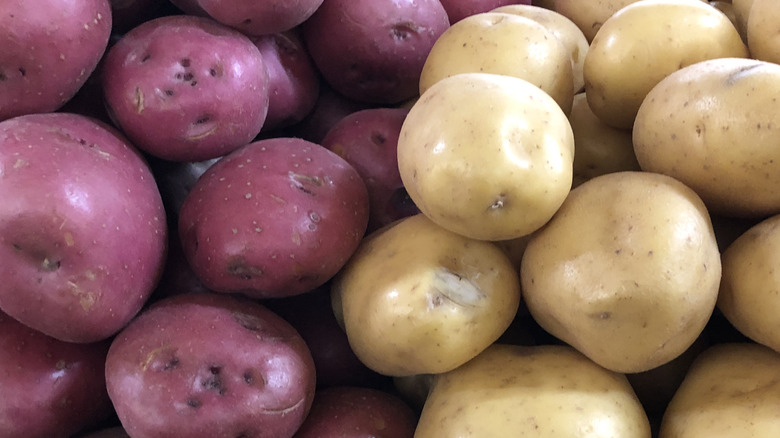 The Difference Between Red And White Potatoes Is Easily Explained By
To get started making the most of these spuds, keep this simple rule in mind: waxy = salad and roasting; starchy = mashing and baking. A good practical test is to grab one of each next time you shop and roast a batch of reds one night, then bake a white potato the next. You’ll notice the difference immediately. For a quick, foolproof side dish, try tossing cubed red potatoes with olive oil, rosemary, and salt, then roasting at 400°F until golden—easy, crispy, and endlessly satisfying.
In the end, whether you choose red or white comes down to what you’re cooking and your personal texture preference. Both are affordable, widely available, and incredibly versatile. So next time you’re at the grocery store, don’t just grab a bag at random. Take a moment to think about your meal, and let the potato match the method. You’ll be rewarded with better-flavored, better-textured dishes—and a little extra confidence in the kitchen. That’s a win you can taste.
