Difference Between Polish Sausage And Smoked Sausage

There’s a primal satisfaction in the aroma of sausage sizzling on a grill or nestling in a pot of hearty stew. For many, sausages are more than just food; they are a cornersto...
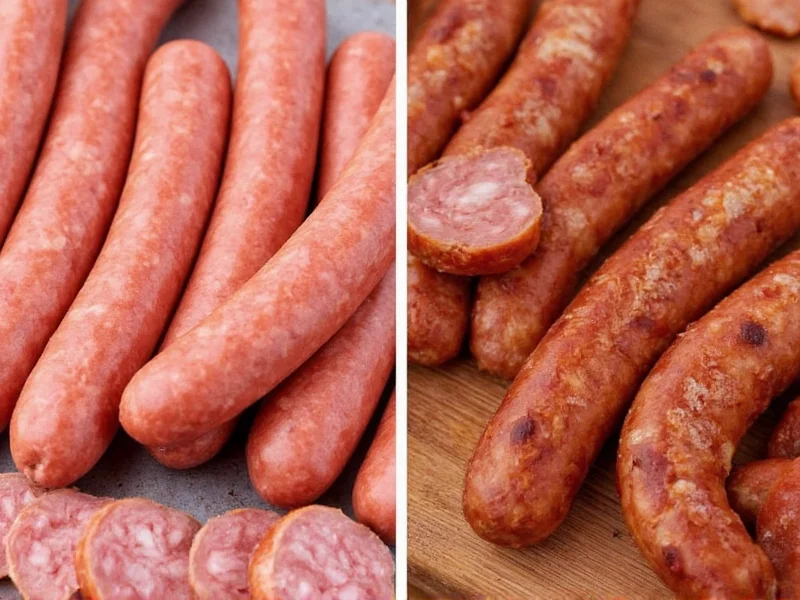
There’s a primal satisfaction in the aroma of sausage sizzling on a grill or nestling in a pot of hearty stew. For many, sausages are more than just food; they are a cornerstone of comfort cooking, a quick protein for busy weeknights, and the star of backyard gatherings. From the smoky, charred links of a summer barbecue to the savory slices folded into a morning scramble, sausages offer a world of flavor in a convenient package. Yet, walking down the grocery aisle, you might pause at two popular options: Polish sausage and smoked sausage. While they often share a similar appearance and even a smoked origin, understanding their subtle but important differences can elevate your cooking, ensuring you choose the right sausage for every meal.
To begin, it’s essential to recognize that smoked sausage is a broad category, not a single product. Think of it as an umbrella term for any sausage that has been cured and cooked via exposure to smoke. This process infuses the meat with a deep, woody flavor and gives it a distinctive, often reddish-brown exterior. Many classic sausages—like Andouille, Kielbasa, or even hot dogs—can fall under this umbrella. Polish sausage, or Kielbasa, is a specific, cherished type of sausage within this larger smoked sausage family. The key distinction is that Polish sausage is defined by its traditional recipe, which typically uses a specific blend of pork and beef, along with garlic, marjoram, and a coarser grind. Authentic Polish sausage is almost always smoked, but not every smoked sausage can claim the heritage and specific spice profile of traditional Kielbasa.
The primary difference lies in flavor and texture. A classic Polish sausage delivers a robust, savory taste dominated by two heroes: garlic and marjoram. The garlic is present but not overpowering, while the marjoram adds a subtle, earthy, and slightly floral note that sets it apart. The texture is typically firmer and more substantial, with a satisfying snap from the natural casing and a coarser, meatier bite. In contrast, a generic smoked sausage might have a milder, more generic “smoky” flavor, often relying on liquid smoke rather than true wood smoking. Its texture can be finer and more homogenous, akin to a smooth, emulsified sausage. For example, a slice of Polish sausage in a stew will hold its shape and release rich, garlicky juices, while a generic smoked sausage might become soft and blend into the background.
Must Read
Understanding this distinction has a direct benefit for your everyday cooking. Using the right sausage can transform a dish from good to exceptional. Consider a classic bigos (Polish hunter’s stew): using authentic Polish sausage is essential to achieve the traditional depth of flavor. The garlic and marjoram complement the sauerkraut and mushrooms perfectly. However, for a simple weeknight jambalaya or a pot of beans, a generic smoked sausage—like Andouille or a spicy variant—offers a versatile smoky base without competing with other ingredients. This knowledge saves you money and disappointment: you won’t pay a premium for imported Polish sausage only to use it in a recipe where its nuanced flavors go unnoticed.
Here is a simple, practical scenario. Imagine you are hosting a game-day party. You set out a platter of sliced smoked sausages with dipping sauces. If you choose Polish sausage, your guests will taste a distinctive, garlic-forward profile that pairs beautifully with a tangy mustard or horseradish cream. If you choose a standard smoked sausage, like a beef or pork ring, it will be a crowd-pleasing, milder option that works with ketchup, barbecue sauce, or honey mustard. Neither is “wrong,” but recognizing the difference lets you tailor the experience. For a traditional Polish dinner, always reach for genuine Kielbasa; for a cookout with varied palates, a high-quality all-beef smoked sausage is often a safer bet.
 Difference Between Smoked Sausage And Polska Kielbasa | Detroit Chinatown
To explore this on your own, start by reading the label carefully. Look for “Kielbasa” or “Polish Sausage” on the package, and check the ingredients list for garlic and marjoram. Next, try a simple taste test. Buy one link of each: a smoked sausage from your local grocery and a genuine Polish sausage from a deli or specialty market. Grill or pan-fry them side-by-side. Note the difference in snap, aroma, and the complexity of the flavor. Finally, experiment with pairings. Serve the Polish sausage with sauerkraut and rye bread, and serve the smoked sausage with peppers and onions. This hands-on approach will make the differences instantly memorable.
In conclusion, while both Polish sausage and smoked sausage bring warmth and convenience to your kitchen, they serve distinct purposes. Smoked sausage is a vast, versatile category perfect for everyday meals where a general smoky flavor is desired. Polish sausage, on the other hand, is a heritage recipe—a specific, garlicky, and herb-forward star that shines brightest in dishes where its cultural roots are celebrated. By treating them not as interchangeable but as unique ingredients, you unlock a deeper appreciation for the craft of sausage-making and gain a simple tool to make every meal just a little more deliberate and delicious. So next time you fire up the grill or slow-cook a stew, you’ll know exactly which link to grab.

