Difference Between Poblano And Anaheim Peppers

Welcome, fellow pepper enthusiasts and curious cooks! If you’ve ever stood in the produce aisle, staring at two large, dark green chilies—one labeled “Poblano,” the other “Ana...
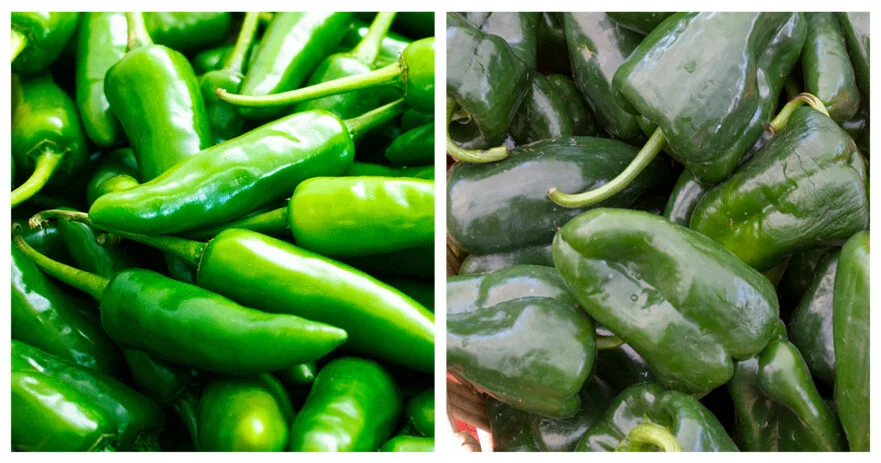
Welcome, fellow pepper enthusiasts and curious cooks! If you’ve ever stood in the produce aisle, staring at two large, dark green chilies—one labeled “Poblano,” the other “Anaheim”—and felt a little lost, you’re not alone. This is a fun and helpful adventure because understanding these two peppers can transform your cooking from bland to brilliant. The purpose here is simple: by the end of this article, you’ll confidently choose the right pepper for every dish, unlocking new flavors and heat levels without any guesswork. The advantage? You’ll save money, avoid spicy surprises, and impress your friends with your pepper knowledge. Let’s dive into this delicious difference!
At first glance, a Poblano and an Anaheim look like twins, but their personalities are wildly different. The Poblano (named after the city of Puebla in Mexico) is a chunky, heart-shaped pepper with a deep, dark green color. It’s usually about 4–6 inches long, with a rich, earthy flavor that’s almost smoky when roasted. In contrast, the Anaheim (originally from New Mexico, but popularized in California) is longer, narrower, and lighter green, often curving slightly at the tip. Think of the Poblano as a stocky, sturdy friend who loves slow cooking, while the Anaheim is a lean, athletic cousin who’s great for quick meals. This shape difference matters: the Poblano’s thicker walls make it perfect for stuffing, while the Anaheim’s thinner walls are ideal for grilling or salsas.
Now, let’s talk heat—the most exciting part! On the Scoville scale, which measures spiciness, the Poblano typically rates between 1,000 and 2,000 Scoville Heat Units (SHU). That’s very mild—like a gentle warmth that tingles your tongue without burning it. The Anaheim, meanwhile, is even milder, usually clocking in at 500 to 2,500 SHU, but often hovering around 500–1,000. In practice, this means the Poblano has a noticeably richer, more complex warmth that builds slowly, while the Anaheim’s heat is so subtle it’s often described as “just a tickle.” For creative ideas: try a stuffed Poblano with cheese and chorizo for a main course that’s flavorful but not fiery, or an Anaheim and white bean salsa for a fresh, almost sweet kick that won’t overpower your tacos.
Must Read
Flavor is where these peppers truly shine differently. The Poblano has a bold, almost nutty, and slightly tangy taste, especially when roasted. It’s like the star of a Mexican stew—think chile relleno, where the pepper is stuffed, battered, and fried, letting its earthy notes blend with melted cheese. The Anaheim, on the other hand, is brighter, grassier, and more vegetal, with a hint of citrus when raw. Roasting an Anaheim brings out a mild sweetness that’s perfect for blending into a creamy sauce or adding to scrambled eggs. A fun experiment: roast both peppers at the same time, then taste them side by side. You’ll instantly notice the Poblano’s depth versus the Anaheim’s crispness. Use the Poblano for dishes that need a robust backbone, like enchiladas or mole, and the Anaheim for lighter fare, such as tostadas or rice bowls.
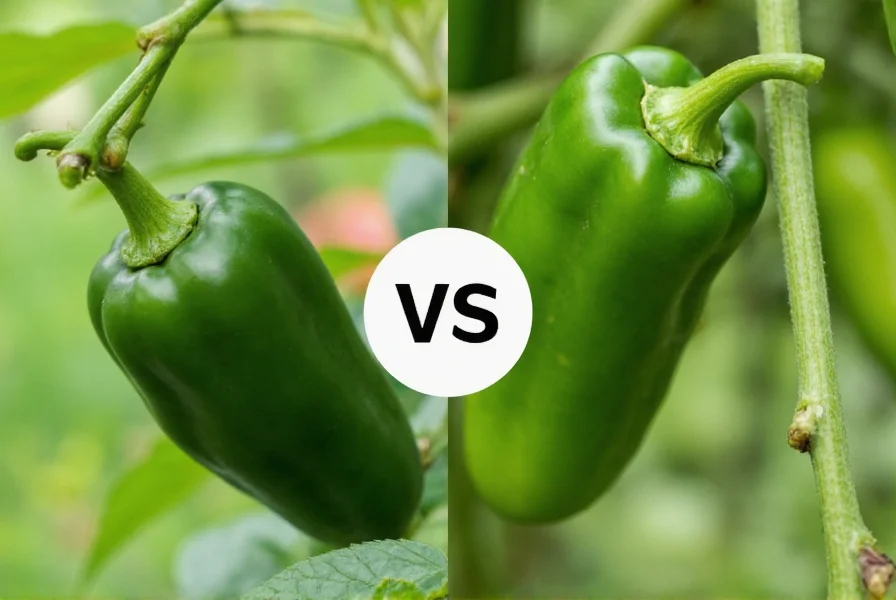 Anaheim vs Poblano Peppers: Critical Cooking Differences Explained
Practical cooking tips? Absolutely! When using fresh peppers, always roast or blister them to bring out their best flavors. For a Poblano, char the skin over an open flame or under the broiler until blackened, then steam in a bag to slip off the skin—this reveals its silky, smoky interior. Anaheim peppers can be roasted similarly, but because they’re thinner, they cook faster, so watch them closely to avoid burning. Seeding is key: both peppers have a mild kick in the veins and seeds, so remove them for a milder experience. Pro tip: if you want a Poblano’s heat to bloom, leave a few seeds—it adds a pleasant warmth without overwhelming.
Finally, here’s a creative twist to try at home: make a “Poblano vs. Anaheim” tasting plate. Slice both peppers into strips, sauté them with onions, and serve over grilled chicken or tofu. Add a dollop of sour cream and fresh lime. You’ll taste the Poblano’s complexity—a hint of cocoa and earth—against the Anaheim’s zesty, fresh finish. Or, for a bold statement, blend roast Poblano into a creamy soup with corn and cilantro, and use Anaheim in a quick salsa verde with tomatillos and cilantro. The difference is like comparing a rich red wine to a crisp white wine—both are wonderful, but they shine in different scenes. So next time you’re at the market, remember: Poblano for hearty, smoky dishes; Anaheim for bright, versatile ones. Happy cooking!
