Difference Between Pie Crust And Puff Pastry

You know that flaky, buttery pastry perfection that makes you want to lick the plate? Yep, we're talking about pie crust and puff pastry. They might look like siblings, but tr...
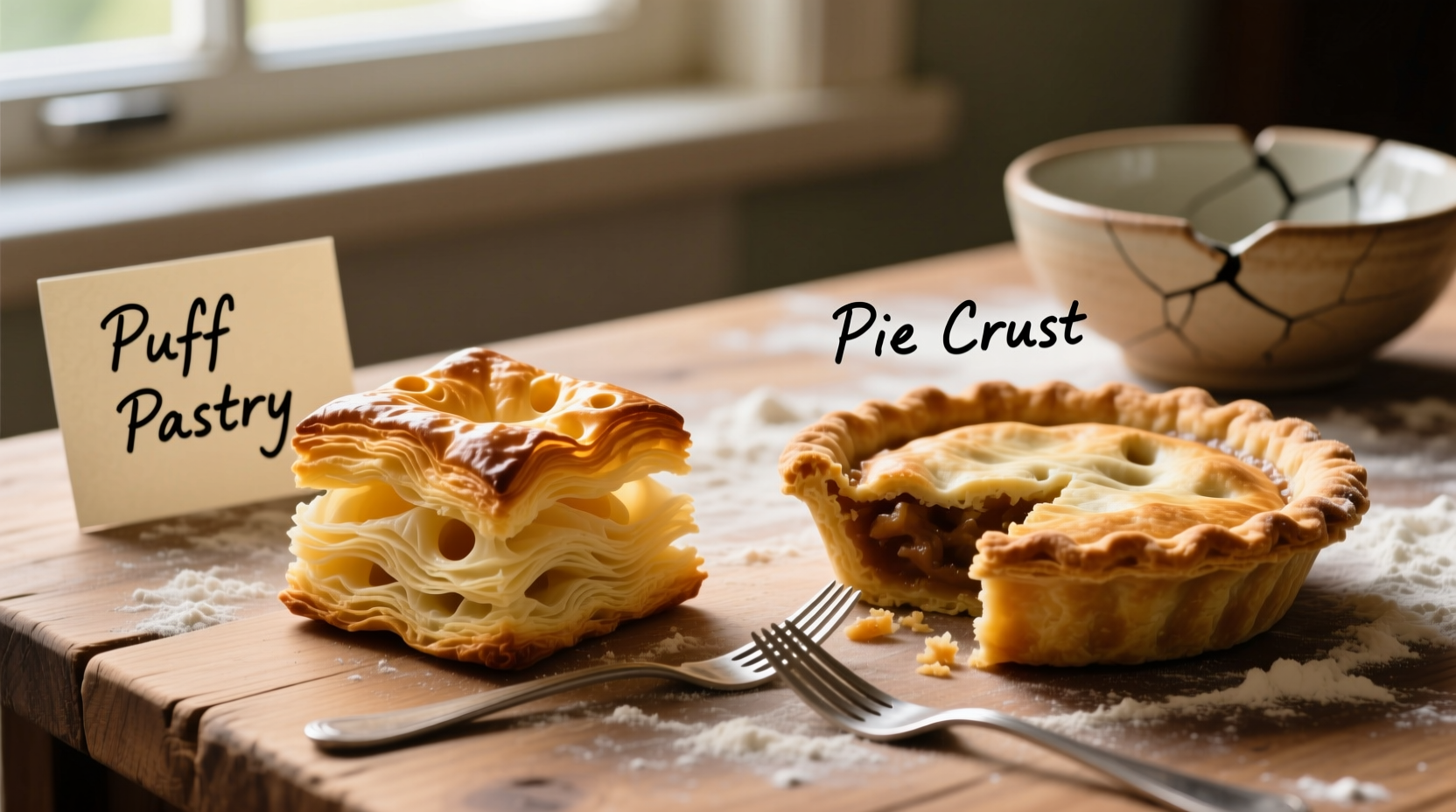
You know that flaky, buttery pastry perfection that makes you want to lick the plate? Yep, we're talking about pie crust and puff pastry. They might look like siblings, but trust me, they're more like cooler stepsisters who just happen to share the same family tree.
Both start with the same basic idea — flour, fat, and a little water — but the way you treat those ingredients makes all the difference. One of them is all about simplicity, while the other is basically pastry acrobatics. So, which one deserves your next kitchen experiment? Let's break it down.
What Even Is Pie Crust?
Pie crust, also called shortcrust pastry, is like that reliable friend who shows up, does their job, and doesn't make a fuss. It's made by cutting cold butter (or shortening) into flour, adding just enough water to hold it together, and then not overworking it. The whole point is to keep things simple so the dough stays tender and crumbly.
Must Read
The magic comes from the small, unequal bits of fat scattered throughout the dough. When it bakes, those little fat pockets create tiny, flaky layers — but nothing fancy. Think of it as a cozy blanket for whatever filling you've got inside.
There's no repeated rolling and folding involved. You mix, chill, roll it out, and that's it — done. It's the pastry version of a one-hit wonder that just keeps on working.
And What About Puff Pastry?
Now, puff pastry is where things get seriously wild. Instead of one layer of dough with bits of butter in it, puff pastry is made by wrapping butter inside dough and then repeatedly rolling and folding — like a buttery game of origami. The technique is called lamination, and it can involve up to 27 layers of dough and butter.
 Different Types Of Pie Pastries | Learn To Make The Perfect Pie Pastry
Here's the cool part: when heat hits those layers, the water in the butter turns to steam. That steam puffs up each layer individually, giving you that glorious, airy, shatter-it-with-your-fork texture. Twenty-seven layers of crispy, buttery heaven in every bite.
It's way more labor-intensive than pie crust, obviously. But boy, does that effort show when you cut into it and it sounds like ASMR.
The Key Differences, Plain and Simple
Let's talk structure for a second. Pie crust is a single-layer dough with fat cut into the flour, while puff pastry is built from alternating layers that are explicitly designed to separate as they bake. One gives you a sturdy, flaky shell; the other gives you a flaky explosion.
When it comes to ingredients, they actually overlap more than you'd think — mostly just flour, butter, water, and a pinch of salt. The real difference isn't what goes in, but how it's handled. Pie crust says "keep your hands off," while puff pastry says "keep rolling and folding.
 What S The Difference Between Puff Pastry And Pie Crust - Printables
In terms of texture, pie crust tends to be crumbly and sturdy, perfect for holding filling without falling apart. Puff pastry, on the other hand, is light, airy, and shatters when you bite into it. They're like two different types of comfort food.
Which One Should You Use?
That depends on what you're making. Want a solid base for apple pie, quiche, or hand pies? Reach for pie crust — it's built to be a reliable vessel. Making a vol-au-unt, some puffs, or anything that needs to rise and impress? Puff pastry is your best friend.
Pie crust is also way more forgiving if you're a beginner. You can mess up a little and still end up with something tasty. Puff pastry, however, demands patience and precision — one warm butter moment and your layers collapse.
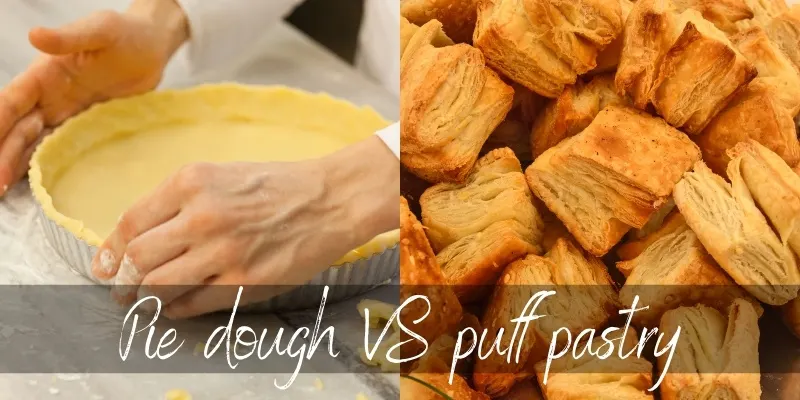 Puff Pastry VS Pie Crust - 3 Ways They're Different - Foodiosity
The good news? You can buy both of them at the store. No shame in that game whatsoever.
Why This All Matters (Spoiler: It's Just Cool)
Isn't it wild that two pastries with such similar starting ingredients can end up looking and tasting completely different? It all comes down to technique — how you work with butter and how many times you let heat do its thing. That's the beauty of baking.
Next time you bite into something flaky, take a second to appreciate the science behind it. Whether it's a humble slice of pie or an outrageously puffed-up puff pastry, someone put in some real thought. And honestly, isn't that what makes food so fun to learn about?
So go ahead — try making one (or both!). Worst case, you eat your mistakes. And that's never a bad outcome. 🧈
