Difference Between Pancake Mix And Waffle Mix

Welcome, breakfast enthusiasts and weekend brunch warriors! Have you ever stood in the grocery aisle, staring at a box labeled “Pancake Mix” and then one labeled “Waffle Mix,”...
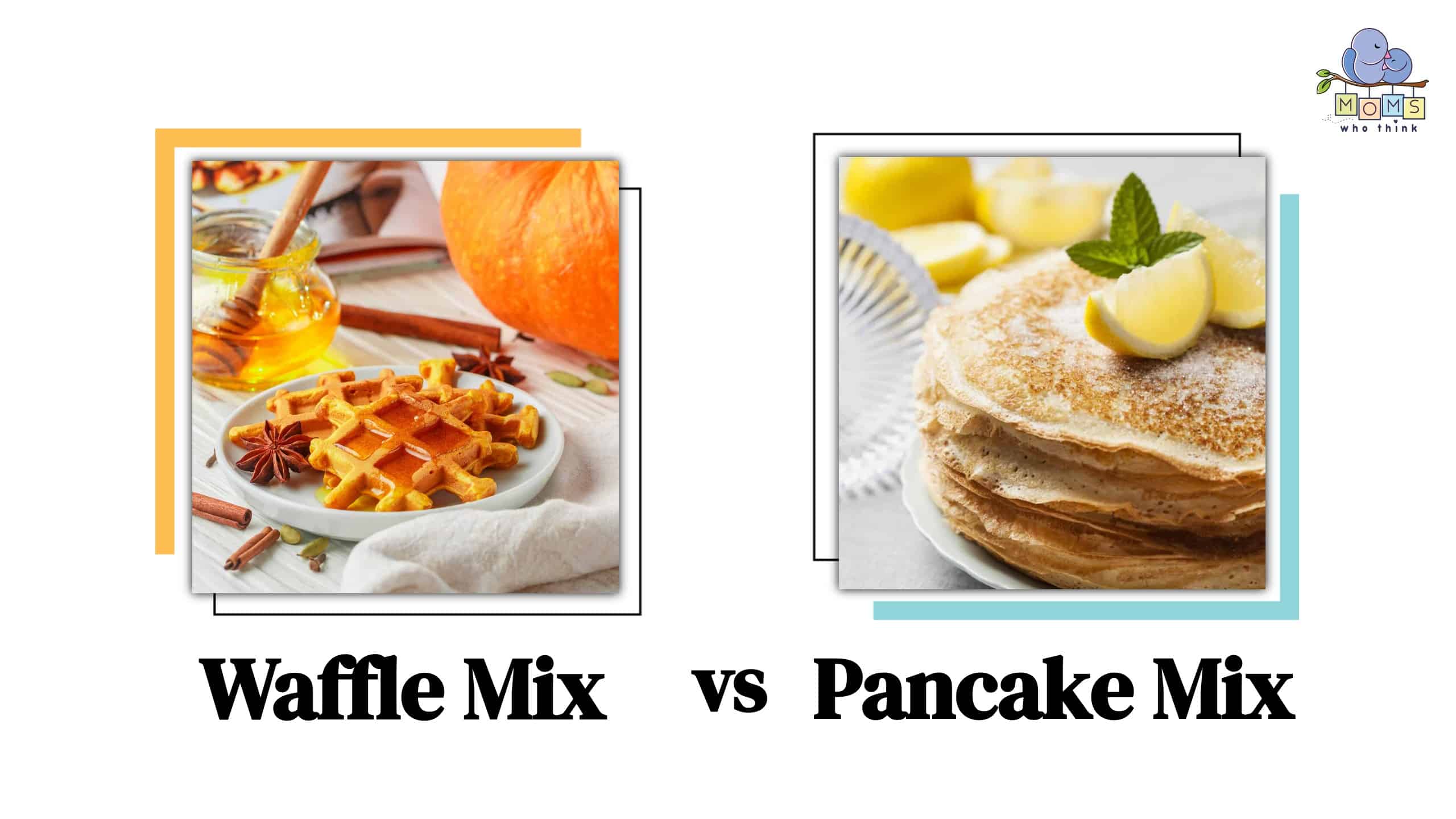
Welcome, breakfast enthusiasts and weekend brunch warriors! Have you ever stood in the grocery aisle, staring at a box labeled “Pancake Mix” and then one labeled “Waffle Mix,” and wondered, “Are they really that different?” Or, better yet, have you ever poured pancake batter into a waffle iron and ended up with a soggy, stuck mess? This is a fun little kitchen mystery that, once solved, unlocks a world of fluffy and crispy possibilities. Understanding the difference isn’t just a cooking lesson—it’s your ticket to perfect breakfasts every time. The advantage is simple: you’ll stop guessing and start creating the exact texture you crave, whether it’s the soft, pillowy embrace of a pancake or the crunchy, syrup-trapping pockets of a waffle.
At their heart, pancake batter and waffle batter share the same soul: flour, eggs, milk, butter, and a leavening agent. But here’s the secret that changes everything: the ratio of fat and sugar. Waffle batter is designed to be indulgent and indulgent for a reason. It typically has more butter or oil and often a bit more sugar than pancake batter. Why? Because a waffle iron is a dry, hot, non-stick environment that needs that extra fat to create a crispy, golden-brown exterior without sticking. The extra sugar also helps with caramelization, giving waffles their signature crunch. Pancake batter, on the other hand, is leaner. It has just enough fat for flavor and tenderness, but not so much that the cake becomes greasy or dense. This is why if you use pancake mix in a waffle iron, you’ll likely get a soft, pale waffle that refuses to crisp up—and might even stick like glue.
Let’s play with a fun example. Imagine you’re making Belgian waffles—the thick, deep-pocketed kind. The batter needs to be robust enough to hold its shape. Waffle mixes often contain more eggs (or even extra egg whites) to create structure and lift, because the iron’s hot surfaces trap steam inside, puffing the waffle up. Pancake batter, designed for a flat griddle, spreads more easily and relies on a gentle rise. Here’s a creative idea: use a standard pancake mix, but add two extra tablespoons of melted butter and one more egg before pouring it into the waffle iron. Tah-dah! You’ve just hacked your own waffle mix. Conversely, if you only have waffle mix but crave soft pancakes, simply thin the batter with a splash of milk and skip the extra fat. This swap works beautifully for lazy Sunday mornings when you’re out of one box but not the other.
Must Read
Think about the culinary personality of each mix. Pancake batter is the versatile, easygoing friend. It’s forgiving: too thick? Add milk. Too thin? Add a sprinkle of flour. You can fold in blueberries, chocolate chips, or even cooked bacon bits without worrying about the batter deflating. Waffle batter, by contrast, is the diva of the breakfast world. It needs a moment to rest (often 5–10 minutes) to let the gluten relax and the starch absorb the liquid. This rest time gives waffles their light interior. Also, waffle batter is thicker and more pourable than pancake batter—almost like a very thick cake batter. If you scoop it with a ladle, it shouldn’t spread instantly; it should mound slightly. This thickness is crucial because it prevents spreading over the edges of the waffle iron and creates those deep, syrup-ready wells.
Now, let’s talk about practical advice for your next breakfast adventure. First, read your mix box carefully. Many “all-in-one” mixes are actually designed for both, but you’ll see instructions like “For waffles, add 2 tablespoons of oil” or “For pancakes, add ½ cup of water.” If the box doesn’t specify, remember the golden rule: for waffles, boost the fat. Second, never overfill your waffle iron. Use about ¾ cup of batter for a standard round waffle maker—less if the iron is smaller. Overfilling leads to batter oozing out and making a sticky mess. Third, invest in a good non-stick spray even if the iron claims to be non-stick. A light spray before the first waffle ensures a perfect release. And here’s a pro tip: if you want the crunchiest waffle ever, let the baked waffle rest on a cooling rack for 30 seconds before serving. This stops steam from softening the crust—a trick all professional waffle-makers use.
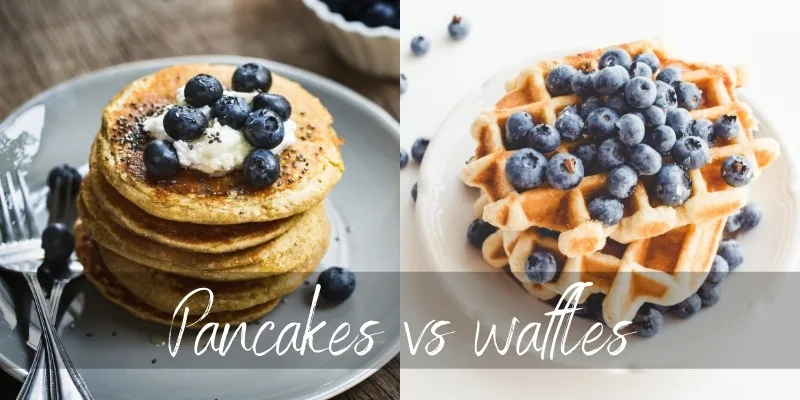 Differences Between Pancakes And Waffles – QIVH
But wait—there’s a wild card: protein and gluten content. Some pancake mixes use a higher proportion of softer cake flour to stay tender, while waffle mixes may include bread flour or vital wheat gluten to add chewiness and structure to survive the iron’s high heat. If you ever want to make savory pancakes (like cornmeal or cheese pancakes), use a pancake mix as your base. For savory waffles (like chicken-and-waffle-style ones with herbs), a waffle mix is better because it can hold up to heavy toppings without getting mushy. Imagine making a waffle with crispy fried chicken on top—that waffle needs to be sturdy enough to support the meat and sticky gravy. A pancake would collapse under the weight. See how the difference matters?
Finally, here’s a fun, creative challenge: blend the two worlds. Make a batch of pancake batter, then ladle half into a waffle iron and half onto a griddle. Compare the results side by side. You’ll quickly see that the pan-fried version is tender and soft, while the iron-baked version is crisp and airy. This experiment is perfect for a lazy Saturday morning with kids or friends. And if you ever find yourself with leftover batter, here’s a time-saving trick: freeze cooked waffles (they reheat perfectly in a toaster) but don’t freeze pancakes as successfully—they tend to dry out. So, whether you’re Team Pancake or Team Waffle, remember: the mix doesn’t define you; your adjustments do. With these tips, you’ll never be stuck wondering again—just smiling, plate in hand, ready for a delicious morning.
