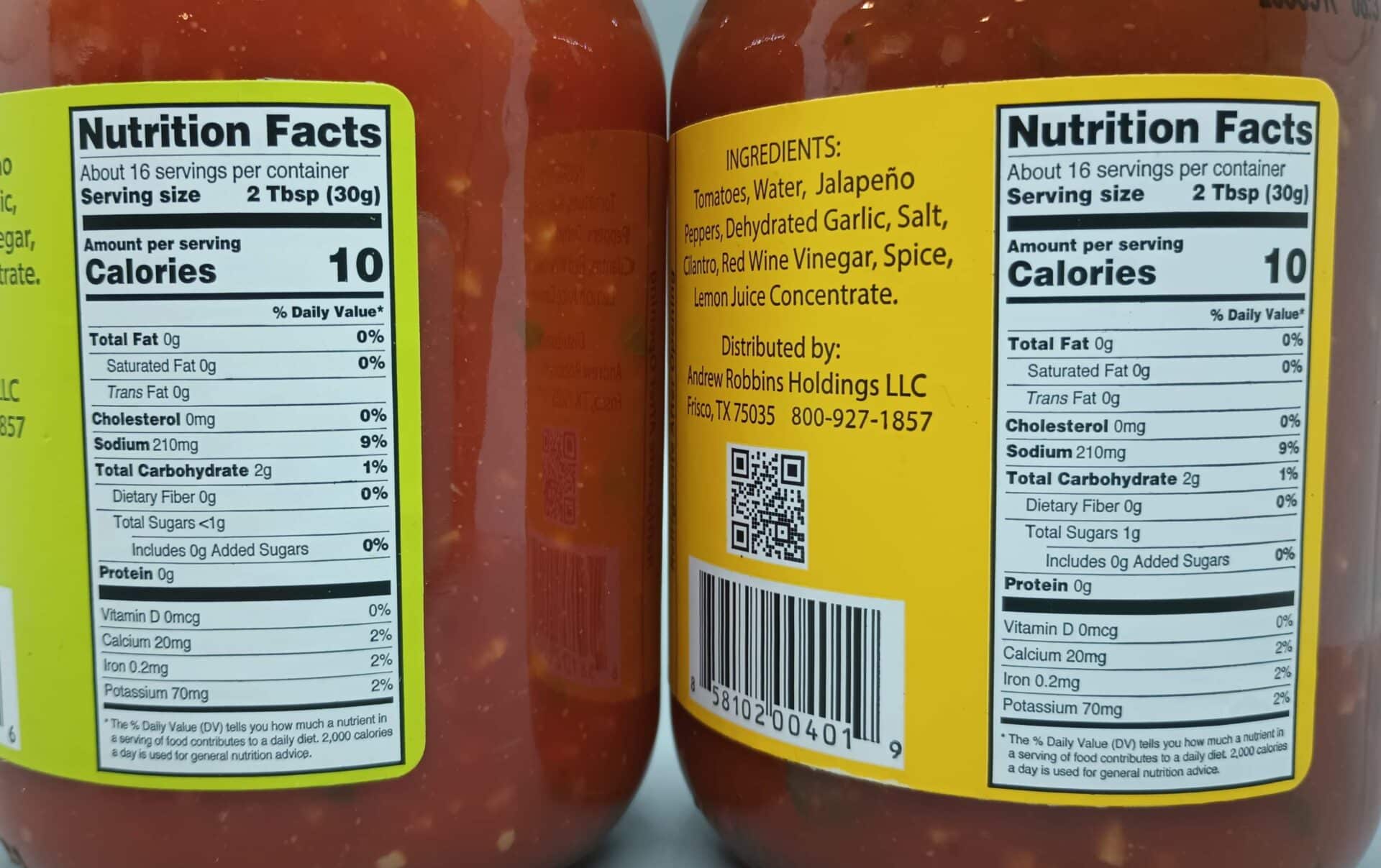
Difference Between Medium And Mild Salsa

Welcome, spice explorers and dip devotees! If you’ve ever stood in the grocery aisle, staring at a wall of red jars labeled “Mild” and “Medium,” wondering if your taste buds a...
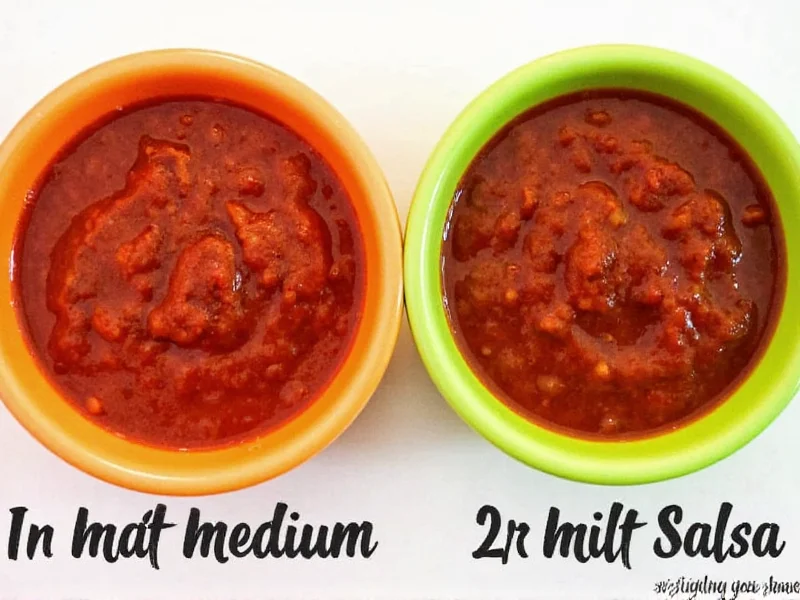
Welcome, spice explorers and dip devotees! If you’ve ever stood in the grocery aisle, staring at a wall of red jars labeled “Mild” and “Medium,” wondering if your taste buds are ready for a thrill—or a trip to the ice bucket—you’re in the right place. The difference between medium and mild salsa is more than just a label; it’s a delicious journey from comfy-cozy to gently bold. Understanding this distinction is your secret weapon for perfecting every chip dip, breakfast taco, and party platter. Whether you’re a heat-avoider or a cautious adventurer, learning these nuances helps you customize your dining experience without surprise tears or regret.
At its heart, the difference boils down to capsaicin levels—the compound that makes chiles hot. Mild salsa typically uses bell peppers, Anaheims, or very mild jalapeños (often with seeds and membranes removed) to deliver flavor without fire. Think of it as a warm hug for your tongue: you taste the tomatoes, onions, and cilantro, with just a whisper of warmth. In contrast, medium salsa steps up the game by using more jalapeño, serrano, or even a dab of chipotle, keeping the seeds intact or adding a second pepper type. The result? A gentle kick that wakes up your palate but still lets you finish the bowl without reaching for milk. Pro tip: if you can’t decide, look for the “heat scale” on the jar—mild is usually 1 out of 10, medium a confident 3 or 4.
Now let’s get creative with how to use them. Mild salsa is your social butterfly—it plays nice with everything. Use it as a kid-friendly dip for veggie sticks, a quick sauce for scrambled eggs, or a base for a creamy avocado salad. It’s also perfect for marinating chicken without intimidating picky eaters. Medium salsa, on the other hand, is the life of the nacho party. Toss it into a slow cooker with shredded beef for spicy tacos, or swirl it into sour cream for a zesty dressing. I once made a medium salsa + black bean quesadilla that turned a boring Tuesday into a mini fiesta. The key? Pairing the heat level to the dish’s role: mild for all-day snacking, medium for big-flavor moments.
Must Read
Here’s a fun experiment to try at home: a “salsa flight” tasting. Buy one mild and one medium (or make them from scratch), then taste them side by side with plain tortilla chips. Notice how mild salsa lets the tomato sweetness and onion crunch shine, while medium salsa introduces a slow-building tingle at the back of your throat. For a real twist, add a drop of honey to the mild version and a squeeze of lime to the medium—the honey will emphasize fruitiness, while lime amplifies the heat in medium. This simple test trains your palate to detect subtle heat variations, making you a more confident salsa chooser.
When hosting a gathering, never assume one size fits all. Most people have a spouse, friend, or parent who says they love “medium” but actually fear it. My advice? Offer both. Set out a bowl of mild labeled “The Gentle Giant” (with a smiley face) and a bowl of medium called “The Sneaky Kick” (with a chili pepper drawing). This creates a fun, low-pressure atmosphere where guests can experiment. Bonus tip: if you’re using medium salsa for cooking, like in a chili or enchilada sauce, you can always cool it down with a dollop of sour cream or Greek yogurt—this lets you enjoy the flavor without overwhelming sensitive eaters.
 Medium Salsa Is Hotter Than Mild: Heat Level Explained
For those ready to graduate from mild to medium, start with a half-and-half mix. Combine one part medium with two parts mild in a bowl, then gradually increase the medium ratio each week. Your taste buds will adapt like a muscle! Also, pay attention to what you’re eating with the salsa. A creamy queso or cheesy nachos can mask medium heat, while a simple celery stick makes it more pronounced. Finally, remember that not all “medium” salsas are created equal—check the ingredients for words like “habanero” or “ghost pepper” which are red flags for fiery heat, regardless of the label.
In the end, the choice between medium and mild salsa is a celebration of personal preference. There’s no shame in being a mild enthusiast—you’re savoring flavor without distraction. And if you lean medium, you’re embracing a little adventure with every chip. The real win? Knowing that your salsa knowledge turns a simple grocery decision into a tool for delicious connection. So next time you reach for that jar, smile—you’ve got the power to make every meal, from tacos to tater tots, exactly as lively or gentle as you desire. Happy dipping!