Difference Between Light Red And Dark Red Kidney Beans

Ever stood in the grocery aisle, staring at two bags of kidney beans and wondering, “Is this a real choice, or just a marketing prank?” You’re not alone. Light red and dark re...
Ever stood in the grocery aisle, staring at two bags of kidney beans and wondering, “Is this a real choice, or just a marketing prank?”
You’re not alone. Light red and dark red kidney beans look like long-lost cousins, but trust me—they have slightly different personalities.
Let’s break down the difference, so you can pick the right bean for your next chili, salad, or midnight snack experiment.
Must Read
What’s the Color All About?
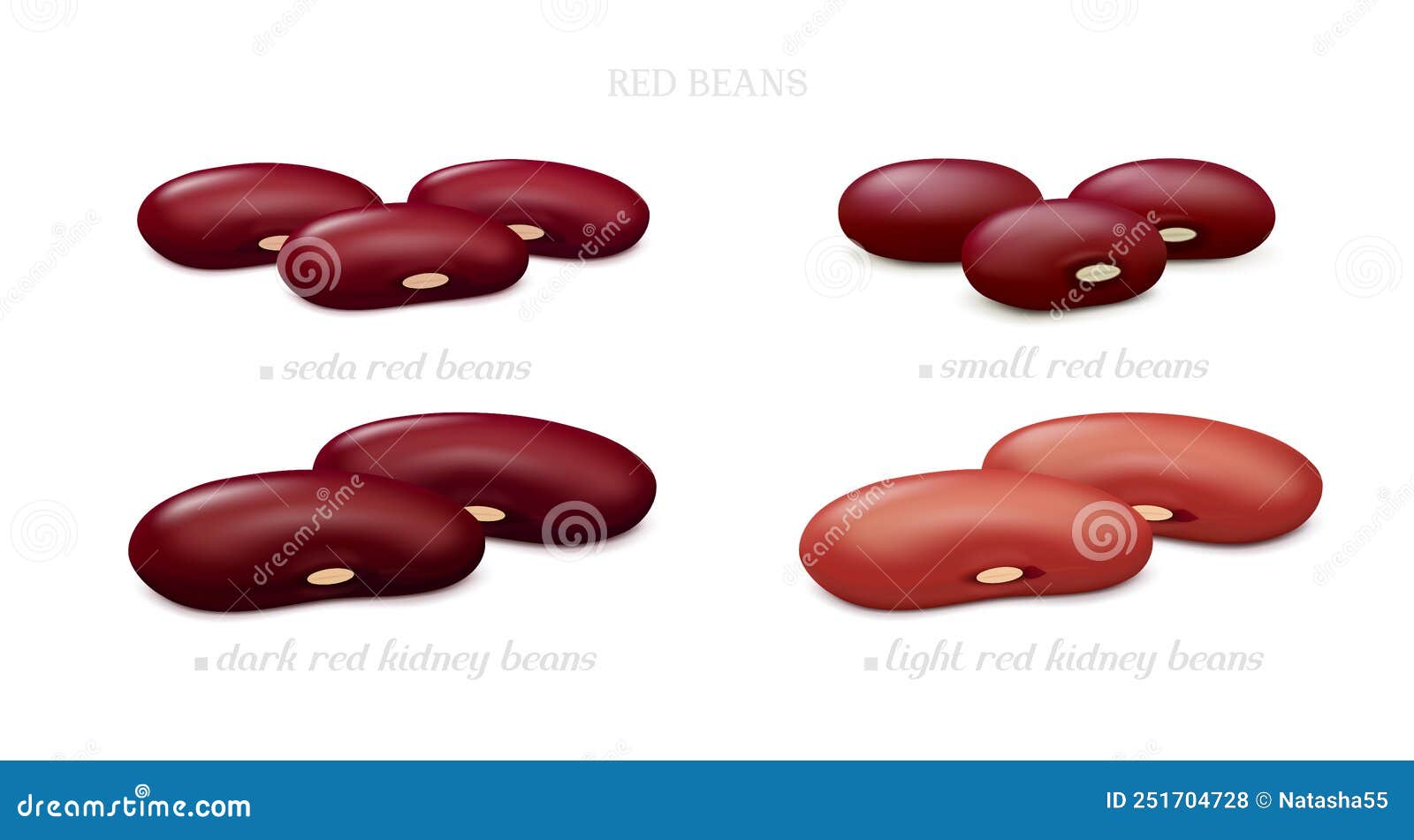
The main difference is how long they’ve been hanging out on the vine. Dark red kidney beans get a longer vacation in the sun, which deepens their color and makes their skins a tiny bit thicker.
Light red beans are picked earlier. They’re paler, smoother, and a little more tender right out of the can.
Think of it like a tan versus a sunburn—except nobody gets hurt, and both end up in your bowl.
Flavor and Texture: The Real Story
Dark red kidney beans are the heavy hitters. They have a fuller, earthier taste and hold their shape better during long, slow cooking.
Imagine a sturdy friend who never falls apart under pressure—that’s the dark red. They’re ideal for chili or a big pot of beans simmered for hours.
Light red kidney beans are softer and more delicate. They soak up flavors like a sponge but can get a little mushy if you overcook them.
They’re the graceful dancers of the bean world—light on their feet, perfect for salads or quick meals where you want a milder taste.
Your Everyday Life Cheat Sheet
Picture this: It’s a Tuesday night. You’re making a quick three-bean salad for tomorrow’s lunch. Go with light red—they’ll stay tender and look lovely next to the green beans.
Now imagine a snowy Sunday. You’re slow-cooking a smoky beef chili for friends. Grab the dark red beans. They’ll keep their shape and carry that rich, spicy flavor like little champions.
If you accidentally buy the “wrong” one, don’t panic. Both are delicious. You’ll just notice a small difference in sturdiness and flavor depth.
The Can vs. Dried Twist
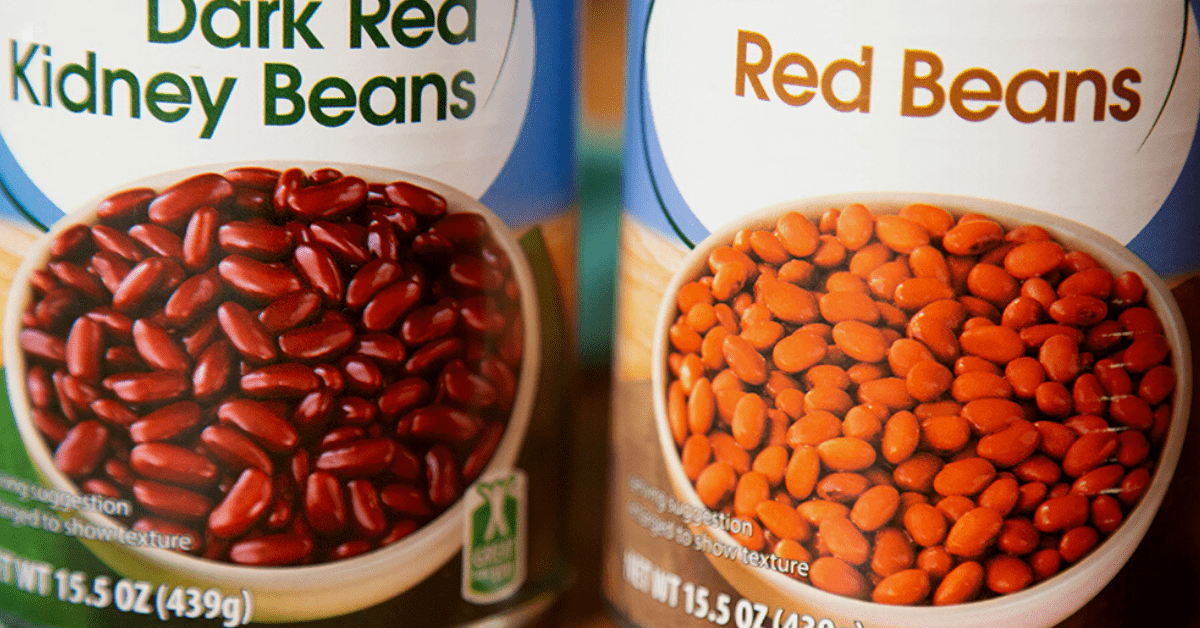
Canned beans are already cooked. Dark reds in a can are firmer; light reds are softer. Rinse them well to cut down on sodium—your taste buds and heart will thank you.
 Red Beans vs Kidney Beans: Unraveling the Bean Battle Plus 15
Dried beans take more work, but they let you control the texture. If you want al dente beans for a salad, use light reds and cook them gently.
For that melt-in-your-mouth stew? Dark reds, cooked low and slow, are your best friend.
Why You Should Care (Yes, Really)
Because nobody wants a sad, mushy bean surprise in their dinner. Choosing the right kidney bean can turn a ho-hum meal into something you actually crave.
Plus, both types are packed with fiber, protein, and iron. They’re the unsung superheroes of your pantry—cheap, healthy, and ready to save dinner.
When you know the difference, you’re not just grabbing a can. You’re telling your taste buds, “I’ve got a plan, and it’s going to be good.”
A Little Confession
I once made a chili with light red beans because that’s all the store had. It turned into bean soup. Delicious soup, sure, but not what I wanted.
Now I keep both types in my cabinet: dark reds for hearty dishes, light reds for quick meals. It’s like having a toolbox instead of just a hammer.
So next time you’re in that aisle, smile. You’re not confused anymore. You’re a bean boss in the making.
The Final Scoop
Dark red kidney beans: sturdy, earthy, for slow cooking and chili. Light red kidney beans: tender, mild, for salads and quick eats.
Both are awesome. Both are budget-friendly. And now, you’re the one who can pick the perfect bean for any occasion.
Go forth, cook something wonderful, and remember—life is too short for mushy beans. You’ve got this.
