Difference Between Light Corn Syrup And Dark Corn Syrup

For many home bakers and candy makers, corn syrup is a quiet hero in the pantry. People value it for its unique ability to prevent sugar from crystallizing, which is the secre...

For many home bakers and candy makers, corn syrup is a quiet hero in the pantry. People value it for its unique ability to prevent sugar from crystallizing, which is the secret behind silky-smooth caramel sauces, fudgy brownies, and chewy candies. Without it, many of our favorite desserts would turn grainy or brittle. This humble ingredient brings a reliable texture and subtle sweetness to everyday treats, making baking less stressful and more rewarding. Whether you are drizzling syrup over pancakes or perfecting a pecan pie, understanding its two common forms—light and dark—can elevate your results and help you choose the right one for each recipe.
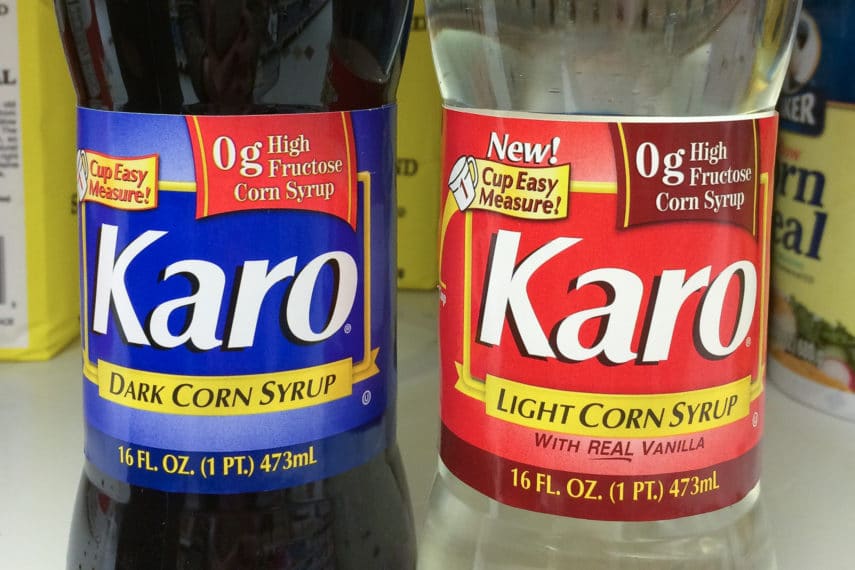
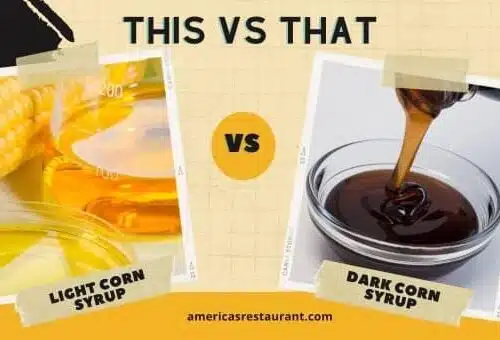
The most noticeable difference between light and dark corn syrup is flavor. Light corn syrup is clear, mildly sweet, and has a neutral taste. It is refined primarily from cornstarch and often contains vanilla flavoring, but its main role is to add sweetness and viscosity without overpowering other ingredients. Dark corn syrup, on the other hand, is made by adding refiners’ syrup—a byproduct of sugar refining—which gives it a deeper color and a more robust, caramel-like flavor. This makes dark corn syrup ideal for recipes where you want a hint of molasses or a richer taste, such as in gingerbread, baked beans, or sticky toffee pudding.
Beyond taste, color is another key distinction that matters in baking. Light corn syrup remains pale golden or clear, so it will not darken your finished product. This is crucial for light-colored candies, frostings, or fruit preserves where you want the natural hue to shine. Dark corn syrup, with its deep amber shade, can significantly alter the appearance of your dish. For example, using dark corn syrup in a classic pecan pie will yield a darker, more rustic filling compared to using light syrup, which produces a lighter, more traditional look. Always consider the visual impact when swapping one for the other.
Must Read
Texture and consistency are very similar between the two, but substitution is not always advisable in precise recipes. Because dark corn syrup has a slightly lower pH and different sugar composition, it can sometimes affect how baked goods rise or how candies set. For instance, in a nougat or marshmallow recipe that relies on a perfectly stable sugar structure, using dark corn syrup might introduce extra acidity that interferes with the texture. Conversely, in a rich barbecue sauce or glaze, the bold flavor of dark corn syrup is a deliberate choice. The best rule of thumb: if a recipe calls for a specific type, follow it for the intended result.
Everyday scenarios highlight these differences practically. Imagine making a batch of homemade lollipops—you want them clear and jewel-like, so light corn syrup is the only choice. Now picture baking a warm batch of molasses cookies; dark corn syrup will complement the spices beautifully, adding complexity and chewiness. Even in savory dishes like glazed ham, dark corn syrup provides a deeper color and more pronounced honey-caramel note than its lighter counterpart. Understanding these roles helps you become more confident in the kitchen, whether you are improvising or strictly following a family recipe.
 Light vs Dark Corn Syrup: Which is a Better Option? 2026
Here are a few simple tips for exploring these syrups on your own. First, always check the label: some dark corn syrups contain no molasses but still have color added, so read ingredients to know the real flavor source. Second, if you are out of light corn syrup, you can often substitute golden syrup or a thin honey (though honey will alter flavor). For dark corn syrup, a mix of light corn syrup plus a tablespoon of molasses works as a quick substitute. Third, store either syrup at room temperature—refrigeration can cause crystallization. Finally, experiment with swapping dark for light in a batch of brownies: you will notice a richer flavor and darker crumb, a fun way to learn the difference firsthand.
In summary, light and dark corn syrup are not interchangeable in all cases, but each serves a valuable purpose. Light corn syrup is the silent workhorse for pure sweetness and clarity, while dark corn syrup brings character and depth to robust dishes. By recognizing their unique qualities, you can make smarter choices in the kitchen, from delicate candies to hearty glazes. The next time you reach for a bottle, consider the flavor, color, and structure your recipe needs—and enjoy the subtle but significant difference that the right syrup can make in your everyday cooking and baking.