Difference Between Kosher Salt And Table Salt

You know that moment when you grab a pinch of salt and things go exactly as planned? Now imagine doing that with the wrong type of salt. Your perfectly seasoned dish could sud...
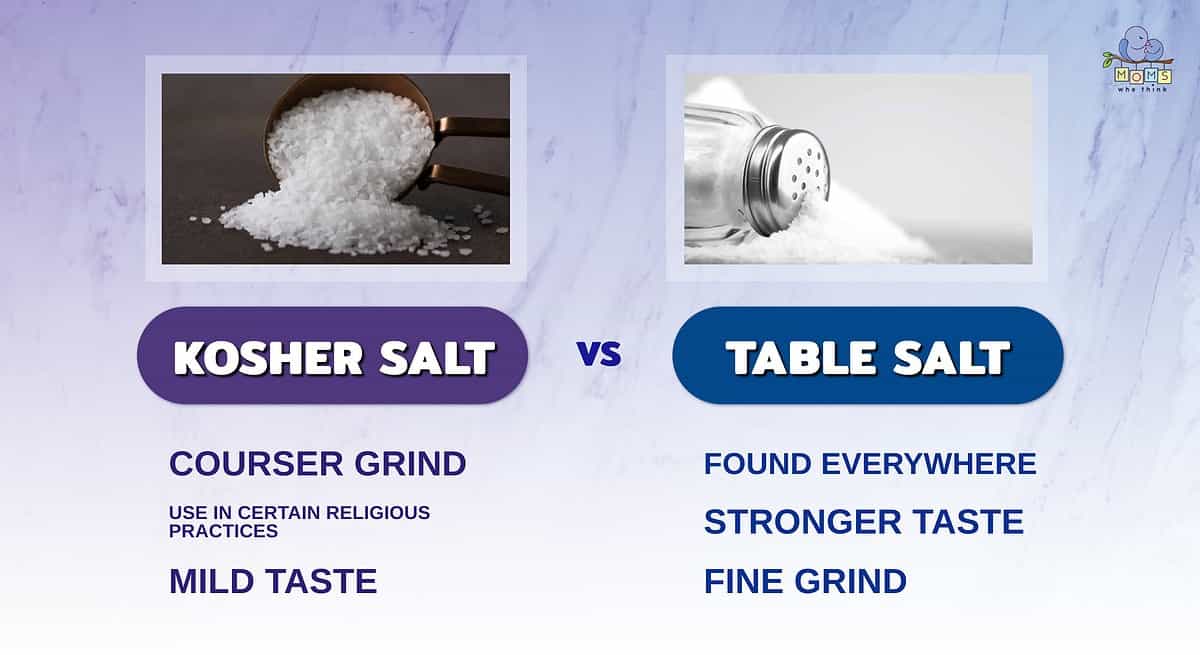
You know that moment when you grab a pinch of salt and things go exactly as planned? Now imagine doing that with the wrong type of salt. Your perfectly seasoned dish could suddenly taste like a salt lick on a rancher's fence. Spoiler alert: not all salt is created equal, and getting familiar with a couple of key types can genuinely upgrade your cooking game.
Let's talk about the two heavy hitters you probably already have in your kitchen: kosher salt and table salt. They might look like rivals on the counter, but they each bring something special to the party. By the end of this read, you'll never look at a salt shaker the same way again.
Why Table Salt Is the Name Everyone Knows
Table salt is the classic. It's the fine, white granules you've been sprinkling since you were a kid pretending to cook alongside a parent. Most table salt is refined, meaning it's been processed to remove impurities and get that uniform, tiny crystal shape.
Must Read
Here's the thing, though: table salt usually contains anti-caking agents to keep it flowing smoothly. It also often has added iodine, which was a public health win for preventing thyroid issues. That's noble, but it can subtly alter the flavor when you're cooking something delicate.
Because table salt crystals are so small and dense, one teaspoon packs a serious punch of saltiness compared to larger crystal types. Over-salting is much easier to do without realizing it. It's like pouring a drink from a fire hose—technically water, but good luck with control.
Meet Kosher Salt: The Chef's Favorite
Kosher salt earned its name from a traditional role in Koshering meat, but today it holds a proud spot in professional kitchens worldwide. Its crystals are noticeably larger, flakier, and more irregular than table salt. That means you can see and feel exactly how much you're adding.
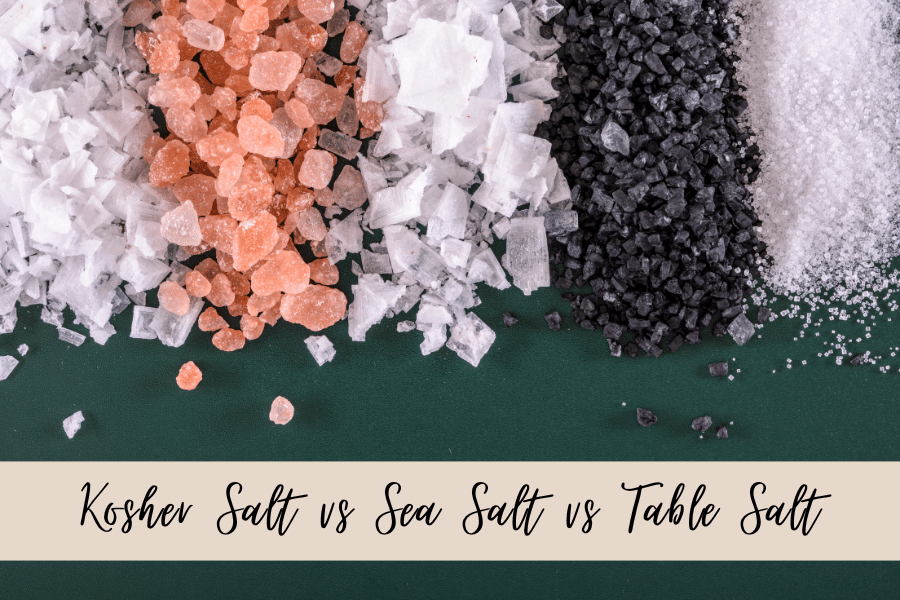 Kosher Salt Under Microscope
The largest benefit? It dissolves evenly and gives you far more surface control while seasoning. Chefs love grabbing a pinch between their fingers and letting the flakes rain down over roast chicken or a fresh salad. It turns seasoning into an almost meditative, fun little ritual—you know, the kind of moment that makes cooking feel like an art form.
Most kosher salts also lack the anti-caking agents and added iodine found in table salt. The result is a cleaner, purer taste that lets your ingredients shine without competition. Imagine tasting the tomato, not the chemical additives—now that's a flavor upgrade.
The Big Differences Side by Side
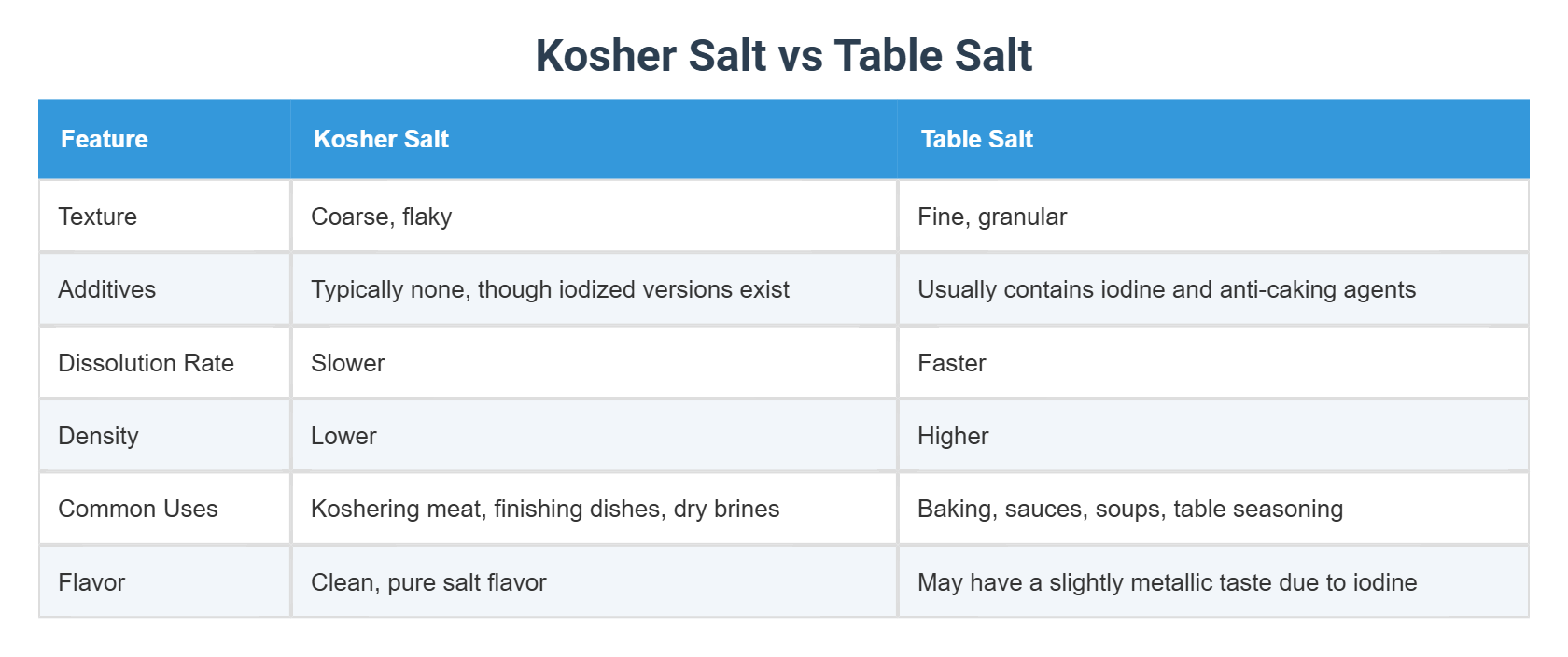
Crystal size is the clearest difference you can spot at a glance. Larger kosher salt flakes spread out more evenly, while tiny table salt granules concentrate quickly in one spot. That difference alone can make or break a recipe if you're not paying attention.
Saltiness intensity is another big one. Because table salt crystals are denser, a teaspoon of table salt contains roughly twice as much sodium as a teaspoon of kosher salt. If you substitute them one-for-one without thinking, you may accidentally turn dinner into a brine bath—no one wants that.
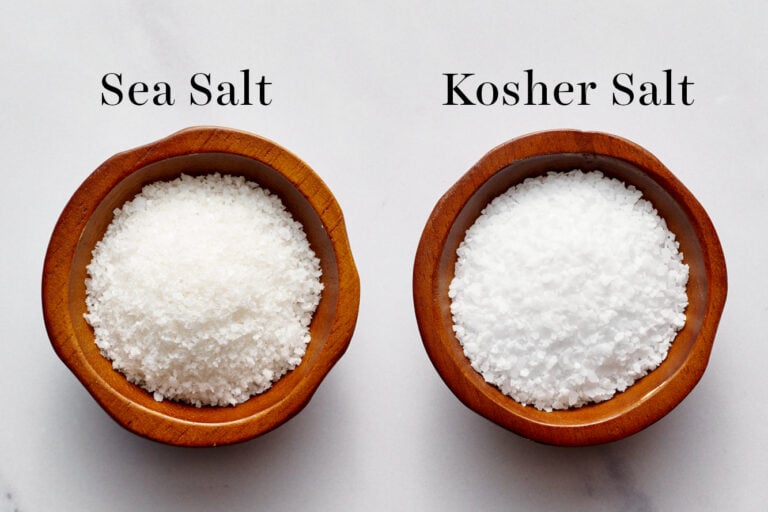 Table Salt Vs Cooking Salt _ Understanding the Difference Between Sea
Texture and moisture also set them apart. Kosher salt's flaky structure grips food better and is easier to pick up with your fingers. Table salt's fine grain dissolves faster in liquids, which is actually great for soups and marinades where instant dispersion matters.
When to Reach for Each One
Reach for table salt when you need uniform, fast dissolving—think bread dough, boiling pasta water, or a quick brine. Its tiny crystals melt into whatever they touch without leaving any crunchy surprises. It's reliable, efficient, and gets the job done quietly in the background.
Reach for kosher salt when seasoning by hand, roasting vegetables, or doing a dry rub on meat. The big flakes are visible, tactile, and forgiving, so you can adjust as you go. There's something genuinely satisfying about the feel of those flakes between your fingers and the way they hit a sizzling steak.
 Kosher Salt vs Table Salt
And hey, if you're ever in a pinch—pun fully intended—one can substitute for the other, just mind the ratio. Start with roughly half the amount of table salt when a recipe calls for kosher salt. Taste, adjust, and trust your instincts; cooking is supposed to be fun, not a math exam.
Why This Little Detail Changes Everything
Understanding the difference between kosher salt and table salt might seem like a tiny, nerdy detail, but it transforms how you season and how your food tastes. It gives you confidence in the kitchen, because you understand the ingredients you're working with. That quiet confidence spills over into how present and joyful you feel while cooking.
Food is one of life's simplest pleasures, and even a shift as small as choosing the right salt can make your meals more deliberate, more delicious, and more fun. So next time you reach for salt, pause for just a second and ask yourself: which one suits the moment? That tiny question opens a door to deeper curiosity about ingredients, techniques, and flavors.
Keep pulling on that thread with enthusiasm—every cooking question you explore brings a little more magic, skill, and joy into your everyday life. The kitchen is your playground, and learning is the best seasoning of all.
