Difference Between Ketchup And Tomato Sauce

Welcome to the wonderfully saucy world of condiments, where a simple squirt can make or break a meal—or, at the very least, spark a surprisingly heated debate. You might think...
Welcome to the wonderfully saucy world of condiments, where a simple squirt can make or break a meal—or, at the very least, spark a surprisingly heated debate. You might think ketchup and tomato sauce are just two names for the same red gooey stuff, but you would be missing out on a world of flavor logic. Understanding the difference isn't just about being pedantic at a barbecue; it’s your secret weapon for upgrading everything from your home fries to your pasta dishes. Knowing which red sauce to use can turn a good meal into a great one, saving you from flavor disasters and impressing everyone at your dinner table. So, grab your favorite fry and let’s unravel this saucy mystery with a side of fun.
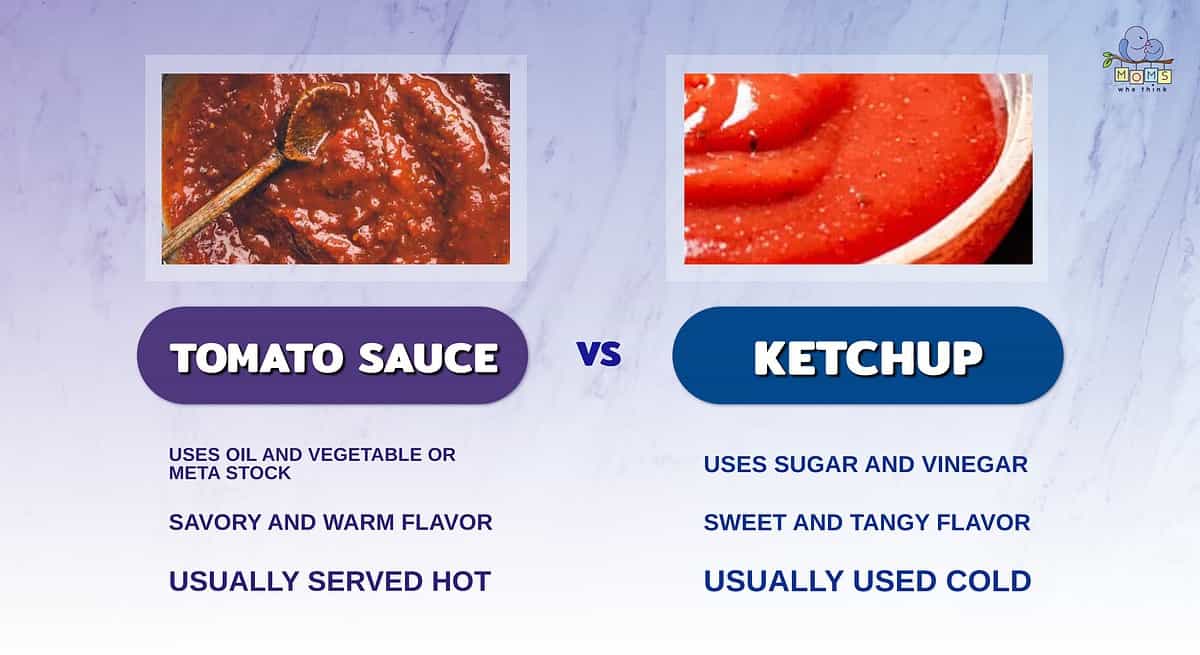
First, let’s talk ingredients, because that’s where the family tree splits. Ketchup, in its modern glory, is a sweet-and-tangy spread built on tomatoes, but its soul is sugar, vinegar, and a specific spice blend (think allspice, cloves, and cinnamon). It’s thick, glossy, and practically designed to cling to a french fry or a burger patty. Tomato sauce, on the other hand, is a leaner, more minimalist cousin: crushed or puréed tomatoes, often cooked with a little onion, garlic, and herbs like basil or oregano. It has no business being sweet; its whole personality is savory, bright, and acidic. The key difference is sugar—ketchup usually packs a surprising amount of it, while tomato sauce relies on the natural fruitiness of the tomatoes, often with added salt and herbs for depth.
Now for the most practical, life-changing tip: Never, ever swap one for the other. Imagine pouring ketchup into a spaghetti bolognese—the sweetness would clash with the wine and meat like a clown at a funeral. The vinegar notes would turn your beautiful ragù into something that tastes like a neglected fast-food tray. Conversely, plopping plain tomato sauce onto a hot dog? That’s a sad, watery nightmare. Tomato sauce lacks the stickiness and punch to hold its own as a dip. Ketchup is a condiment—a star player meant to be used cold and in small doses. Tomato sauce is a cooking base—a supporting actor meant to be simmered, seasoned, and transformed into pizza sauce, pasta sauce, or soup.
Must Read
Let’s get creative with a “swap test” that will make you the kitchen hero of your own story. For a fun experiment, try making “faux-chette” fries: take your oven-baked fries and drizzle them with a little tomato sauce that’s been reduced with garlic and a pinch of smoked paprika. Taste it. It’s good, but it’s watery and thin, right? Now take a second batch of fries and dip them in good old-fashioned ketchup. The ketchup coats every nook and cranny, while the tomato sauce just slides off and puddles at the bottom. The takeaway? Ketchup is engineered for surface area adhesion. For another twist, use tomato sauce as “ketchup’s sophisticated aunt.” If you’re making a shakshuka (eggs poached in spiced tomato sauce), do not use ketchup—it will turn into a weird, sugary scramble. But a quick ketchup hack for tomato sauce? Add a spoonful of ketchup to your homemade marinara to give it a touch of sweetness and a velvety texture without adding raw sugar.
Here’s where geography and history wade in with their own spicy opinions. In the United States, ketchup is king of the condiment aisle, while “tomato sauce” is the unglamorous can for moms making chili and pasta. In many other parts of the world—especially the UK, Australia, and New Zealand—the word “ketchup” is used interchangeably for what Americans call tomato sauce. Yes, you read that right. Someone in London might ask for “tomato sauce” on their chips and receive a squirt of Heinz. Meanwhile, in Italy, “tomato sauce” (sugo di pomodoro) is a sacred, slow-cooked art form, and ketchup is an imported, slightly odd intruder. This linguistic trick is why traveling can confuse even the most savvy foodie. When in doubt, read the label: if it lists high fructose corn syrup or sugar as one of the first ingredients, it’s ketchup. If it lists tomatoes, salt, and perhaps herbs, it’s tomato sauce.
 टोमॅटो सॉस आणि टोमॅटो केचअप म्हणजे एकच.. असं वाटतं तुम्हाला? त्यात काय
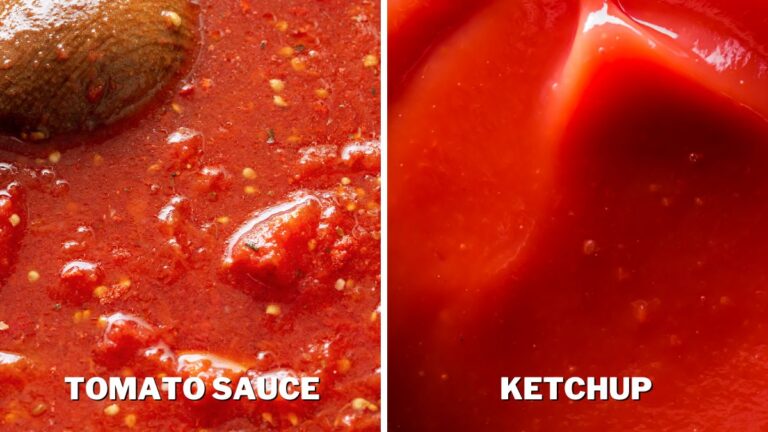
Want a sure-fire way to never confuse them again? Read the ingredient list like a detective. Ketchup’s ingredient roster typically reads: Tomato concentrate, sugar, vinegar, salt, onion powder, spice, and natural flavors. Notice the sugar is second—that is its identity. Tomato sauce, however, will list: Tomatoes, tomato purée, salt, citric acid, and possibly dried garlic or basil. No sugar, no vinegar spotlight. Also, check the texture. Ketchup is thick enough to hold a dollop shape for a solid ten seconds. Tomato sauce flows like a thin stew. And if you’re feeling adventurous, try making a “house ketchup” from tomato sauce: slowly simmer one cup of plain tomato sauce with two tablespoons of brown sugar, one tablespoon of apple cider vinegar, a dash of paprika, and a pinch of cloves. Voilà—you just reverse-engineered the magic. But remember, the original ketchup will always be better at sticking to your fries.
Let’s wrap up with a final, practical piece of advice for your next grocery run. Keep both in your pantry, but treat them like different tools in your toolbox. Use ketchup for dipping, glazing meatloaves, and making cocktail sauce or thousand island dressing. Use tomato sauce for simmering into chili, building a pizza base, adding depth to casseroles, or sneaking extra veggies into your kids’ food. One is a saucier that marries other ingredients; the other is a final sparkle that stands alone. The next time a recipe calls for “tomato sauce” and you instinctively grab the ketchup bottle, pause. Ask yourself: does this dish need sweet, sticky, and vinegary or bright, smooth, and savory? Your taste buds will thank you, your pasta will not revolt, and your french fries will achieve their highest destiny. Enjoy the delicious chaos of being a condiment connoisseur!