Difference Between Iodized Salt And Plain Salt

Let’s be real: salt is the unsung hero of just about every meal you love. From a perfect steak to that bowl of popcorn during movie night, it’s the one ingredient we never thi...
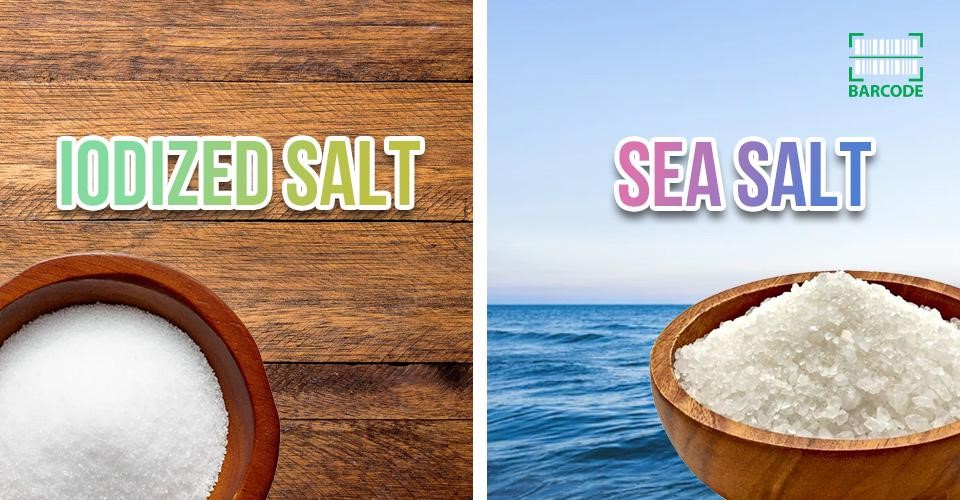
Let’s be real: salt is the unsung hero of just about every meal you love. From a perfect steak to that bowl of popcorn during movie night, it’s the one ingredient we never think twice about. But here’s the catch—not all salt is created equal. The big showdown between iodized salt and plain salt (often just called table salt or sea salt) matters way more than you’d guess. It’s not just about fancy pink crystals; it’s about your health, your family, and even your community.
The number one reason this difference matters is iodine. Iodized salt has a tiny but mighty amount of iodine added to it, which is absolutely essential for your thyroid. Your thyroid controls your metabolism, your energy levels, and even your brain development—especially in kids and pregnant women. Plain salt, even the fancy sea salt, lacks this crucial mineral. Without enough iodine, you risk fatigue, weight gain, or worse, thyroid disorders. For families, choosing iodized salt is a simple way to protect everyone’s long-term health without any extra effort.
Let’s bring this home with a real-life example. Picture a busy mom trying to get dinner on the table. She grabs the kosher salt for her pasta water—that’s fine for seasoning. But for the everyday use—like salting vegetables, seasoning chicken, or adding a pinch to bread dough—she should reach for iodized salt. Why? Because that small, consistent addition of iodine builds up over time, protecting her kids from developmental delays and keeping her own energy up. It’s a tiny swap that has a massive impact over months and years.
Must Read
Now, let’s talk about communities. In many parts of the world, iodine deficiency is a serious public health issue. That’s why governments often mandate iodized salt in schools and hospitals. When a whole community switches to iodized salt, rates of goiter (a swollen thyroid) drop, children’s IQs improve, and mothers have healthier pregnancies. It’s not an exaggeration: a simple change in the salt shaker can lift entire populations out of preventable health problems. That’s the power of a small, collective decision.
Here’s a practical suggestion you can use today: always have both types in your kitchen. Use plain salt (like sea salt or kosher) for finishing dishes—sprinkling on salads, fresh tomatoes, or grilled fish, where you taste the salt. Use iodized salt for cooking and baking, where the salt dissolves and works behind the scenes. This way, you get the best of both worlds: the texture and flavor of fancy salt on top, plus the health benefits of iodine in every bite. See? It’s not a complicated system—just a smart habit.
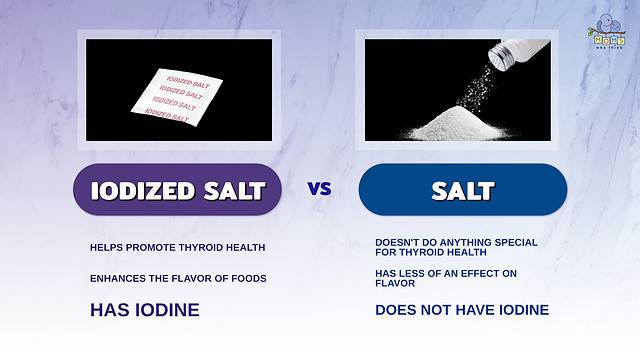 Iodized Salt vs Salt: Key Differences
One more tip: check the label. Most iodized salt is just regular table salt with a tiny additive, so it behaves the same way in recipes. But if you’re on a low-sodium diet, be aware that iodized salt still has sodium. The goal isn’t to gorge on salt; it’s to make the salt you do use work smarter for your body. Also, store it in a cool, dark place—iodine can degrade if exposed to light and heat for too long. Keep it in the cupboard, not near the stove.
To wrap it up: choosing between iodized and plain salt isn’t about being fancy or budget-conscious; it’s about being wise. Iodized salt is the everyday workhorse that quietly keeps your thyroid humming, your kids growing, and your community thriving. Plain salt has its place—on a steak or in a sauce—but don’t let it be your only salt. Embrace both, use each for its strength, and you’ll enjoy meals that taste great and support your well-being. Small choice, big impact. So next time you reach for that shaker, remember: a little iodine goes a long way toward a healthier, happier life for everyone around you.