Difference Between Iodized And Plain Salt

The Great Salt Schism: Iodized vs. Plain Alright, pull up a chair and let’s talk about salt. Not the metaphorical “salt of the earth” stuff—I mean the actual crunchy white cr...
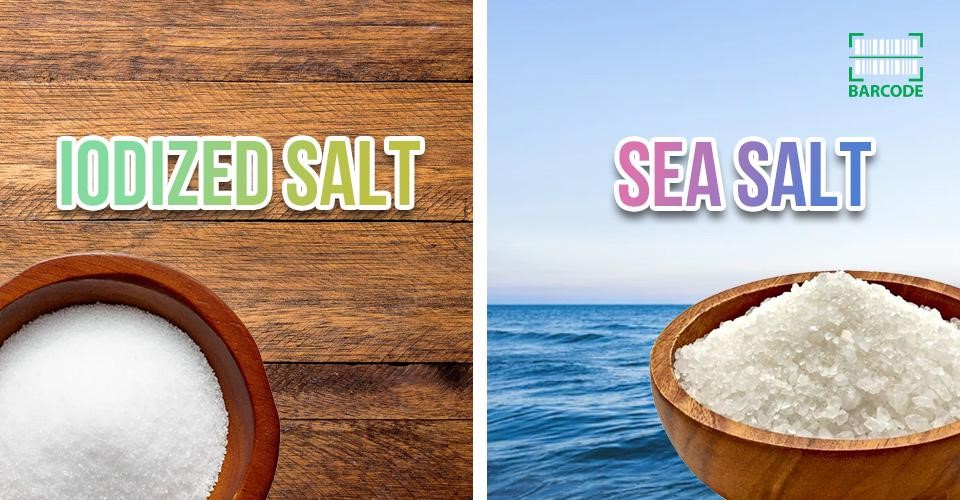
The Great Salt Schism: Iodized vs. Plain
Alright, pull up a chair and let’s talk about salt. Not the metaphorical “salt of the earth” stuff—I mean the actual crunchy white crystals that live in your shaker. You’ve seen two boxes at the store: one says “Iodized,” the other just says “Salt.” What’s the deal? Is one a secret agent for the government? Sort of, but not really.
Let’s start with plain salt. It’s just sodium chloride—two elements that got married in a prehistoric ocean and never divorced. It’s been around since the dinosaurs were still figuring out walking. Plain salt is your great-grandma’s salt: simple, reliable, and it will absolutely ruin a slug’s afternoon. It makes food taste like food, and that’s its whole job.
Now, iodized salt is plain salt’s overachieving cousin who went to community college for nutrition. It’s the same sodium chloride base, but someone sprinkled in a tiny amount of iodine—a chemical element that your thyroid gland practically worships. Without iodine, your thyroid gets lazy and swells up into a goiter, which is a fancy medical term for “neck balloon.” Not a good look.
Must Read
Here’s the hilarious part: you only need a microscopic dash of iodine. Like, a few grains per entire shaker. The amount is so small, it’s basically a chemical whisper. But if you miss that whisper for months, your body goes full drama queen. You get tired, your skin dries out, and you start forgetting where you parked your car. The solution? Morton’s Iodized Salt, which basically saved America from an epidemic of puffy necks in the 1920s.
But wait—can you taste the difference? Put down that spoon. No, you cannot. I’ve done blind taste tests on my own couch, and the result is: salt tastes like salt. Iodized salt might have a slightly metallic aftertaste if you lick it straight from the box, but who does that? Normal people. Casual lickers. But mixed into pasta water? Your tongue will never know. It’s the invisible hero of your soup.
Now, the shocking plot twist: plain salt isn’t evil. In fact, many fancy chefs will throw a tantrum if you put iodized salt in their truffle oil. They claim it ruins the “pure” flavor of a hand-harvested sea salt from a secret French bay. And they’re right—but only because sea salt often contains trace minerals that aren’t iodine. Those minerals add a tiny crunch and a hint of “ocean” that makes your tomato taste fancy. However, that fancy sea salt has zero iodine. Zilch. Zero defense against goiter.
So here’s the rule: use plain salt for finishing a dish—like on top of a steak or chocolate chip cookies. It’s the bling. But for cooking, for boiling eggs, for everything where salt disappears into the food, use iodized. Unless you want your thyroid to go on strike and protest outside your neck.
Let me blow your mind with a surprising fact: the U.S. government once ordered bakers to put iodine in bread. True story. In the 1940s, they used a compound called “iodate” in commercial dough. It was a secret public health hack. But then people started getting too much iodine (because we love overdoing everything), and they stopped. Now it’s just salt and seaweed that carry the iodine torch.
 A Guide To Salt: The Difference Between Himalayan, Iodized – OHEIJ
Another weird thing: plain salt is better for pickling and fermenting. Why? Because iodized salt can make your brine turn cloudy or weirdly purple. It doesn’t hurt you—it just looks like you tried to make a science project in a jar. Your pickles will still be crunchy, but the neighbors will judge you. So if you’re a pickle enthusiast, grab the plain stuff.
Let’s talk cost: iodized salt is usually cheaper. That’s because the world produces metric tons of it, and the iodine costs about three pennies per box. Plain sea salt, on the other hand, can cost $12 for a little bag labeled “Himalayan pink from a cave where a unicorn sneezed.” Don’t buy that. Your thyroid doesn’t care about unicorns.
What about health nuts who say “I get enough iodine from sushi and kale”? Good for them. But kale actually has anti-thyroid compounds called goitrogens. And sushi? Unless you’re eating kelp like a sea otter, you probably need the salt. Your body doesn’t store iodine like a battery. You need a steady drip, like a leaky faucet of minerals. Iodized salt is that faucet.
Final verdict: keep both in your kitchen. Plain salt for showing off on top of a pretzel. Iodized salt for everything else, including surviving the next ice age when goiters become the new fashion. And if anyone asks why you have two salt shakers, just say: “One is for flavor, the other is for my neck’s union contract.” They’ll nod, and you’ll look like a genius.
Now go forth and season. Your thyroid thanks you. And if it doesn’t, it’s because you bought the wrong salt. Don’t be a goiter.
