Difference Between Heavy Cream And Sour Cream

Welcome to the wonderfully creamy world of dairy, where two very similar-looking liquids can lead to very different culinary adventures! Have you ever stood in the dairy aisle...
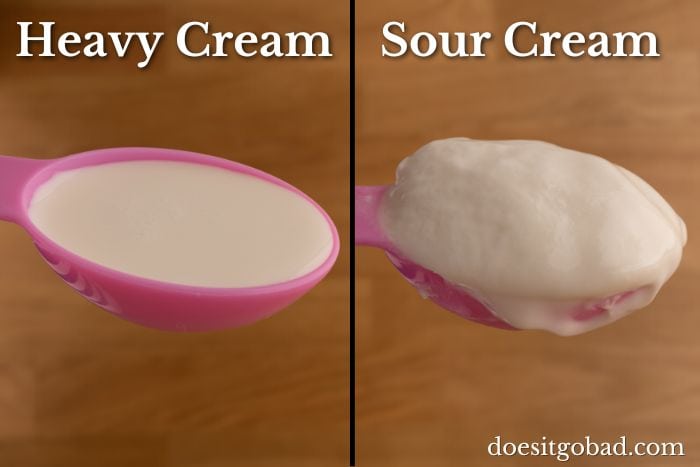
Welcome to the wonderfully creamy world of dairy, where two very similar-looking liquids can lead to very different culinary adventures! Have you ever stood in the dairy aisle, staring at a tub of sour cream and a carton of heavy cream, wondering what the actual difference is? You are not alone. Understanding this distinction isn't just about being a food nerd—it’s your secret weapon for better cooking. Whether you want to whip up a fluffy dessert or create a tangy dip, knowing which cream to grab can turn a good dish into a great one. This knowledge saves you from kitchen disasters (no one likes curdled soup!) and unlocks a world of texture and flavor. Let’s dive in and make you a cream expert.
At its core, the difference comes down to fat content and fermentation. Heavy cream, often called heavy whipping cream, is the rich, liquid fat skimmed from fresh milk. It boasts a fat content of 36% to 40%, which is its superpower. This high fat allows it to be whipped into stiff peaks, thicken sauces, and add luxurious body to any dish. Sour cream, on the other hand, is made by adding lactic acid bacteria to light cream (about 18-20% fat). This fermentation process thickens the cream and gives it that signature tangy, sour flavor. So, while heavy cream is neutral and rich, sour cream is thick and bright. One is the silent, velvety workhorse; the other is the sharp, zesty star.
Let’s play a game of “What happens if I swap them?” Imagine you’re making a classic Alfredo sauce. You reach for sour cream because it looks thick. Big mistake! The heat will cause the sour cream to separate into curds and watery liquid, leaving you with a grainy, clumpy mess instead of a silky sauce. Now, picture making a loaded baked potato. If you use heavy cream, you’ll get a liquidy, bland puddle instead of that cool, tangy dollop that cuts through the richness of the potato and bacon. For baking, the rules change. You can often use full-fat sour cream in cakes to add moisture and tenderness, but heavy cream makes a fluffier, richer crumb. It’s all about matching the science to the job: use heavy cream when you need stability and richness; use sour cream when you need tang and body without whipping.
Must Read
Here are some creative, kitchen-tested ways to use each one, so you can see their superpowers in action. For heavy cream, try making no-churn ice cream. Simply whip 2 cups of cold heavy cream with a can of sweetened condensed milk and vanilla extract until stiff. Freeze it, and you have a decadent, custard-like dessert in hours—no machine needed! For sour cream, make a quick, magical marinade for chicken. Mix sour cream with lemon juice, garlic, paprika, and salt. Coat your chicken and let it sit for 30 minutes. The acid in the sour cream tenderizes the meat, and the fat helps it brown beautifully when grilled. See? Each cream has a distinct personality that shines in specific roles.
Now, what if you’re in a pinch? Can you substitute one for the other? Yes, but only with caution and adjustments. If a recipe calls for heavy cream in a hot sauce, you can sometimes use a mixture of sour cream and whole milk (half and half) to mimic the fat content, but never boil it. For baking, you can swap sour cream for heavy cream by adding a splash of lemon juice or vinegar to the heavy cream to activate its acidity. However, the texture will be slightly different. My top tip is to always keep both in your fridge. Heavy cream lives in the coldest part (back of the shelf) and lasts about a week past its date. Sour cream is more resilient; just make sure there’s no liquid on the surface (that means it’s separating). When in doubt, sniff it—it should smell clean and mild, not sour like spoiled milk.
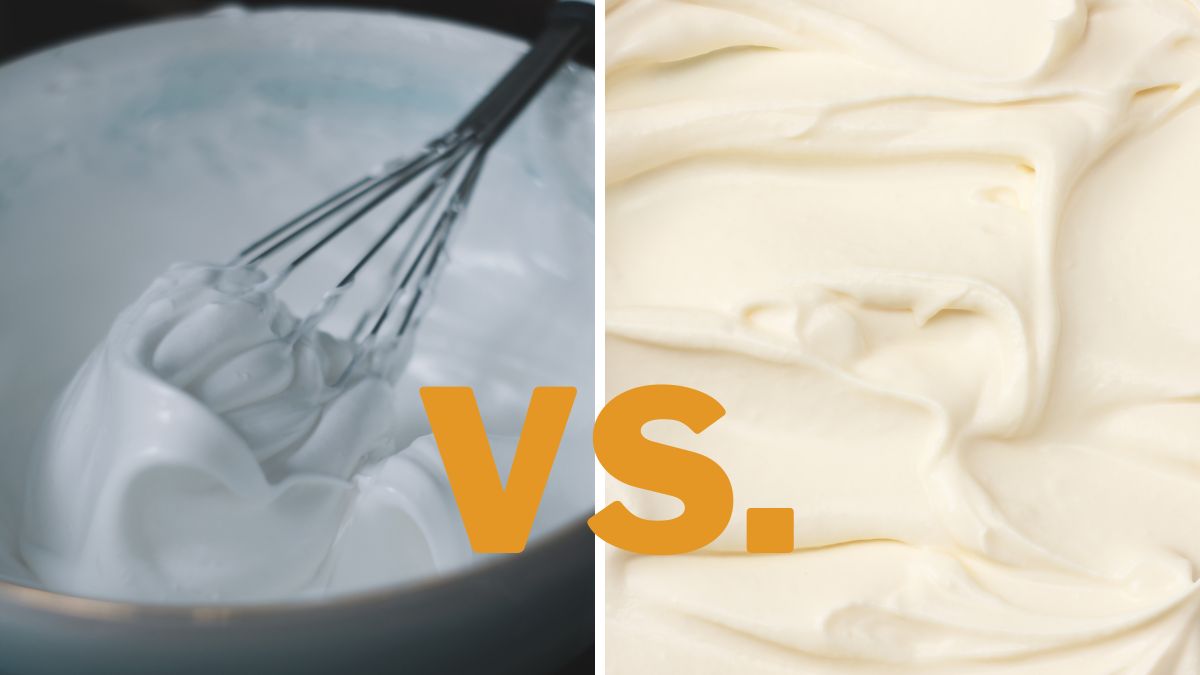 Heavy Cream vs. Sour Cream: Differences & Uses
Let’s talk about one last fun fact that will blow your mind: you can actually make sour cream from heavy cream! Yes, you can be your own dairy wizard. Add two tablespoons of buttermilk or lemon juice to one cup of heavy cream. Let it sit at room temperature for 24 hours until it thickens and turns tangy. You’ll get a homemade sour cream that tastes fresher and more complex than store-bought. This trick not only saves you a trip to the store but also shows you how closely related these two ingredients really are. It’s like learning a secret language of the kitchen—once you know it, you control the texture and flavor of everything you cook.
So, the next time you’re in the dairy aisle, smile with confidence. Heavy cream is your go-to for fluff, richness, and emulsification—think whipped cream, creamy pasta, and thick soups. Sour cream is your friend for tang, tenderness, and a cool finish—think dip for chips, moist cakes, and topping for tacos. By understanding this simple difference, you’ll never have a curdled sauce or a bland potato again. You’ll cook with intention, using each cream’s unique traits to elevate your meals. Happy cooking, and may your kitchen always be perfectly creamy!
