Difference Between Grape And Cherry Tomatoes

Grape tomatoes and cherry tomatoes are two of the most popular small tomatoes found in grocery stores and home gardens worldwide. Their bite-sized convenience and naturally sw...
Grape tomatoes and cherry tomatoes are two of the most popular small tomatoes found in grocery stores and home gardens worldwide. Their bite-sized convenience and naturally sweet flavor have made them staples for families, restaurants, and health-conscious individuals alike. Yet, despite their similar appearances and overlapping uses, these two varieties hold distinct differences that can influence which one you choose at the store or grow in your backyard.
Understanding the difference matters because selecting the right tomato variety can affect taste, texture, nutrition, and even how you prepare your meals. For home cooks, knowing whether a tomato holds up better in a salad or roasts more evenly can elevate a simple dish. For families with children, choosing tomatoes with the right sweetness and texture might encourage picky eaters to enjoy fresh produce. On a broader scale, farmers and food businesses benefit from knowing how each variety performs in terms of shelf life and transportability.
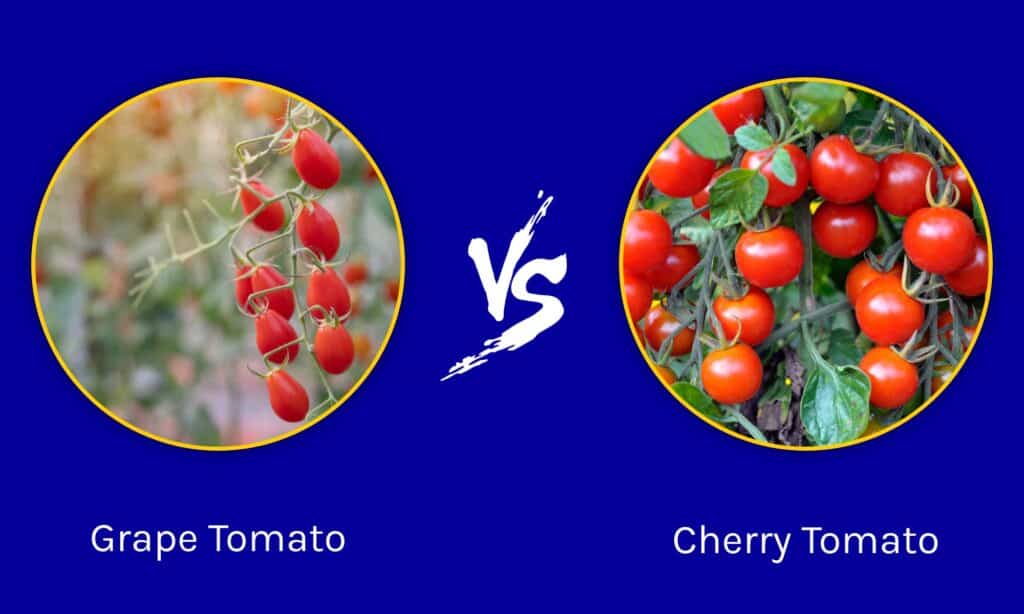
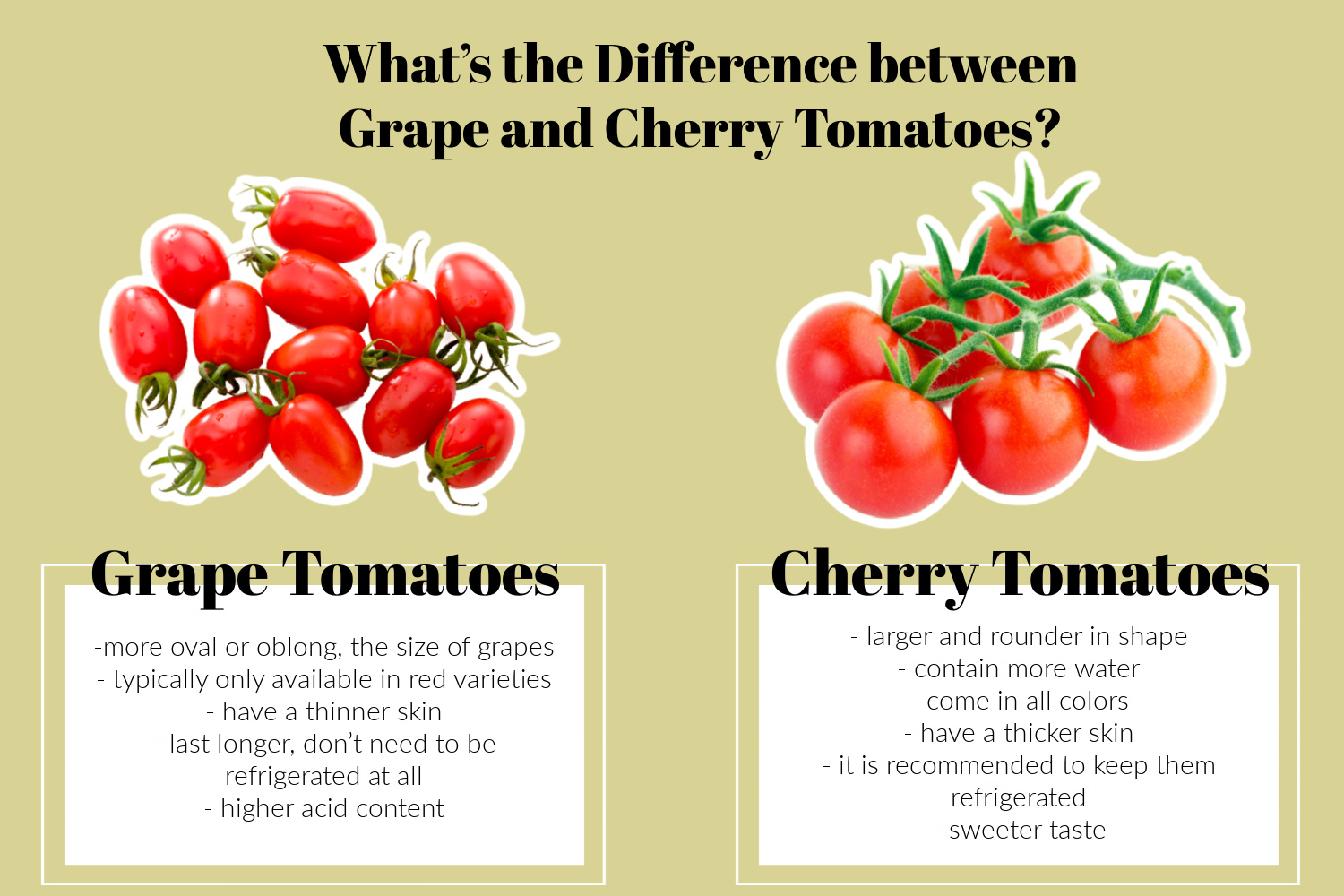
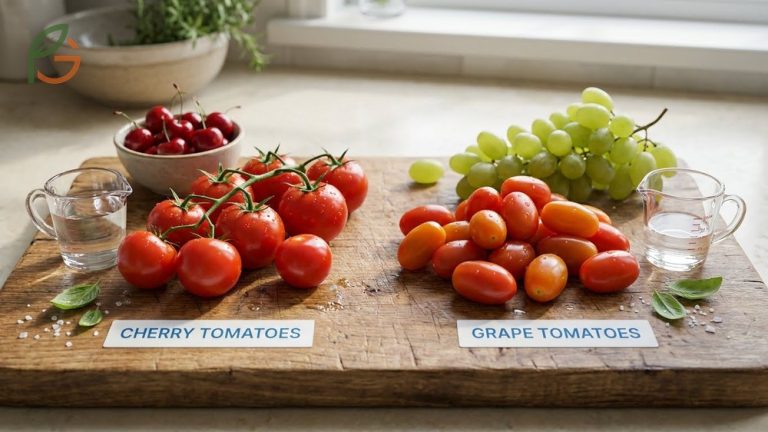
In terms of shape and size, cherry tomatoes tend to be perfectly round, resembling a small marble, while grape tomatoes are more oblong or plum-shaped, similar to a miniature grape. Cherry tomatoes generally measure between 0.5 to 1 inch in diameter, whereas grape tomatoes are often slightly smaller in width but longer. Cherry tomatoes also tend to have a thinner skin and a juicier interior, while grape tomatoes are known for having a denser, meatier flesh with fewer seeds and less water content.
Must Read
The differences extend to flavor profiles as well. Cherry tomatoes typically offer a brighter, more pronounced sweetness with a pleasant acidity that makes them excellent for eating raw. They are perfect for tossing into salads, snacking straight off the vine, or slicing onto a sandwich. Grape tomatoes, on the other hand, deliver a richer and more concentrated tomato flavor with a subtle sweetness. Their meaty texture and lower moisture make them ideal for roasting, sautéing in pasta dishes, or adding to stir-fries where you want the tomato to maintain its shape and contribute depth without watering down the dish.
Think about real-life scenarios where these differences shine. Imagine hosting a backyard summer barbecue — you could skewer cherry tomatoes for vibrant kabobs, pairing them with mozzarella and basil for a fresh Caprese-style appetizer. Meanwhile, grape tomatoes tossed in olive oil and herbs and roasted at high heat become a savory, caramelized side dish that complements grilled proteins beautifully. In a family lunchbox, a handful of sweet cherry tomatoes works as a crave-worthy snack for kids, while grape tomatoes added to a grain bowl or wrap hold up better without becoming mushy.
 Cherry Vs Grape Tomatoes: What Is The Difference? | 30 July, 2026
If you want to apply these insights practically, start by buying both varieties and tasting them side by side. Use cherry tomatoes in raw applications like salads, salsas, and garnishes, and reserve grape tomatoes for cooked dishes like roasted vegetable medleys, pan sauces, and pasta. When planning a garden, consider planting at least one of each — cherry tomatoes often produce earlier in the season, while grape tomatoes can provide a reliable harvest through the summer months. Store both in a cool, dry place rather than refrigerated, as cold temperatures can dilute their natural sweetness and alter texture.
Ultimately, grape and cherry tomatoes share a wonderful heritage as small, versatile, and flavorful members of the tomato family, but their subtle differences make them uniquely suited to different culinary tasks. Whether you prefer the juicy pop of a cherry tomato or the substantial chew of a grape tomato, embracing both varieties opens up a world of nutritious, delicious possibilities for everyday cooking, family meals, and creative food preparation.