Difference Between Gorgonzola And Blue Cheese

Let’s be honest: walking into the cheese aisle can feel a little like wandering into a fancy museum where you’re not sure what you’re allowed to touch. And then you see those...
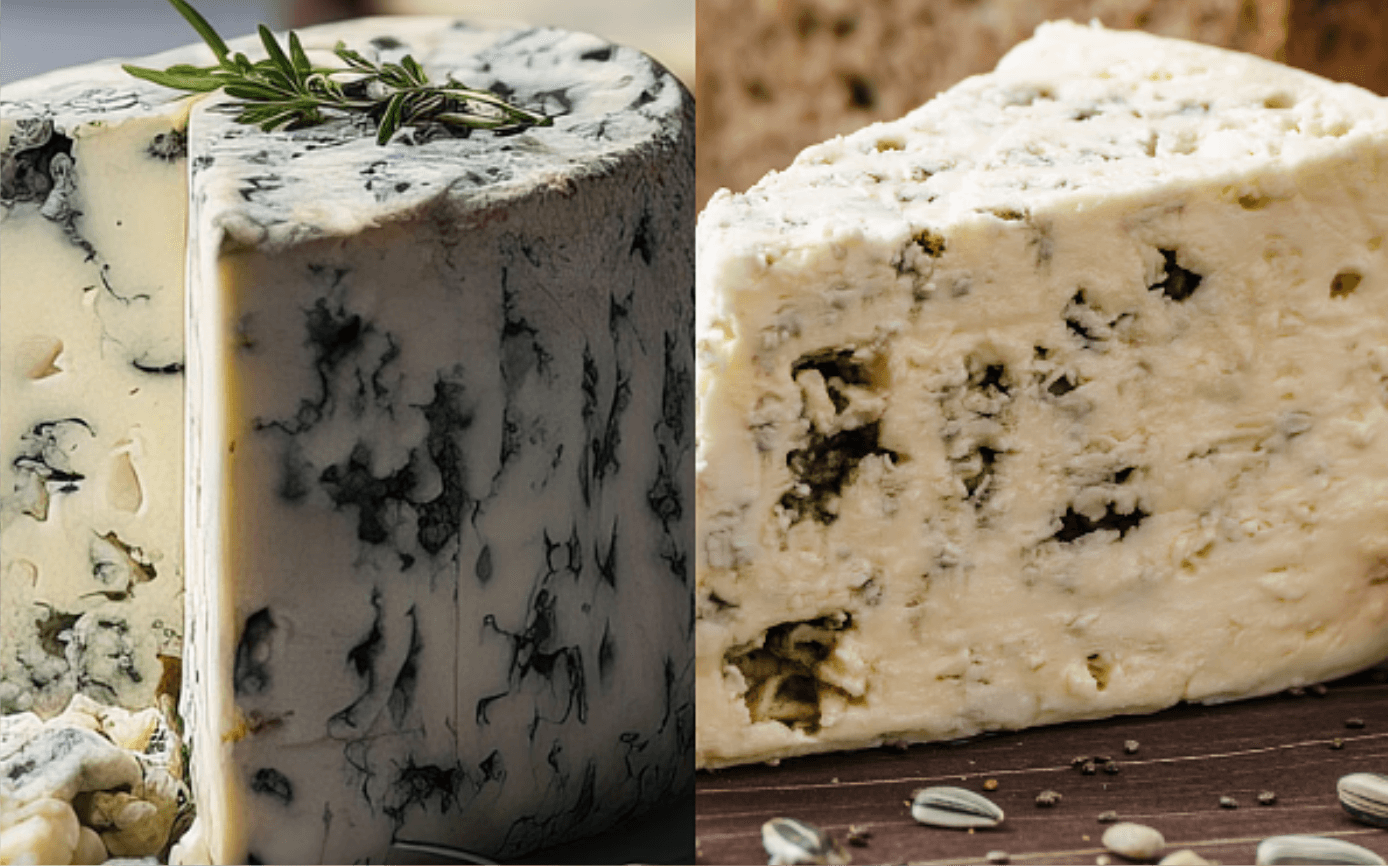
Let’s be honest: walking into the cheese aisle can feel a little like wandering into a fancy museum where you’re not sure what you’re allowed to touch. And then you see those stark white wedges crisscrossed with veins of blue-green mold. You know the ones. They look a little intimidating, but also deliciously rebellious. The big question is: is that wedge of Gorgonzola just a fancy name for blue cheese, or are they secretly cousins who bicker at family dinners?
The Family Tree (It’s All Moldy Relatives)
Here’s the simple truth: Gorgonzola is a type of blue cheese. Think of it like this: if blue cheese were the whole “rock” family, Gorgonzola would be your cool, slightly shy cousin from Italy. All blue cheeses get their signature look and funky taste from being injected with Penicillium mold. That’s what creates those gorgeous blue or green veins. But just like different regions make different wines, different countries and aging methods give us different blues.
Gorgonzola is the old-school Italian original, named after a town near Milan. It’s been made since the 9th century, which is way before your fridge was even invented. The other blue cheeses you see—like Roquefort (sheep’s milk, very salty) or Stilton (crumbly, very British)—are Gorgonzola’s strong-willed siblings.
Must Read
Texture: The Spread vs. The Crumble
Here’s where you’ll really feel the difference when you get it home. Gorgonzola comes in two personalities: “dolce” (sweet) and “piccante” (sharp). The dolce is soft, creamy, and almost spreadable—like a very sophisticated butter that went to art school. You can scoop it up with a cracker and it feels like a gentle hug for your tongue. This is your “safe” entry point for people who are nervous about blue cheese.
Now, most other blue cheeses, like a strong Danish blue or Stilton, are crumbly and firm. They break apart into little shards of flavor. Picture trying to spread a dry, crumbly cookie on a cracker—that’s your blue cheese outside of Gorgonzola. It’s not bad, it’s just built for a different job. Gorgonzola wants to be a spread; other blues want to be a bold, salty sprinkle.
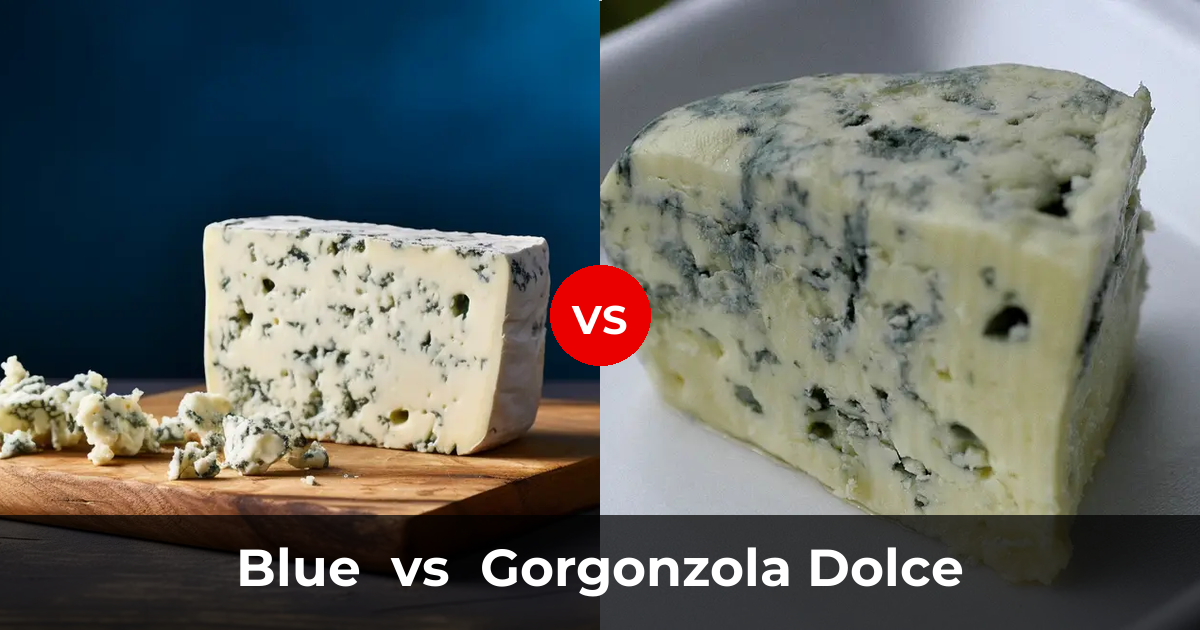 Blue Cheese vs Gorgonzola Dolce Cheese: What's the Difference? | Taste
Flavor: The Shy Rock Star vs. The Loud Drummer
If you’ve ever smelled a blue cheese and thought, “Wow, that cheese has a strong opinion,” you’re right. Gorgonzola dolce is the quiet one at the party. It has a mild, nutty, and slightly sweet tang. It’s the reason you can eat it on a pear slice without gagging. My friend Sarah once declared she hated blue cheese until I sneaked Gorgonzola into her pasta. She asked for seconds. She had only ever met the loud ones.
The “other” blue cheeses—like Roquefort or a crumbly Gorgonzola piccante—are the drummers who play too loud. They hit you with a sharp, salty, almost peppery burn. They are not shy. You love them or you run away. That’s why your mom’s salad dressing might taste like a punch of salt, while a restaurant’s Gorgonzola sauce tastes like a dreamy, creamy cloud.
 Choosing the Right Blue Cheese: Gorgonzola vs. Blue Cheese
Why Should You Care? (The Dinner Party Lesson)
Here’s the everyday magic. Knowing the difference saves you from a kitchen disaster. Imagine you are making a light, creamy sauce for fusilli. You grab a wedge of Stilton. It crumbles, doesn’t melt smoothly, and suddenly your sauce tastes like a salty brick. You should have grabbed Gorgonzola dolce. It melts into a velvety, elegant sauce that makes you look like a professional chef.
Conversely, if you are making a bold steak topping or a tangy salad that needs to stand up to balsamic vinegar, a strong, crumbly blue cheese is your hero. It doesn’t vanish. It announces itself. So, next time you are at the cheese counter, ask yourself: “Do I want a creamy, gentle whisper (Gorgonzola dolce) or a bold, salty shout (other blue cheese)?”
The Final Bite
Don’t be scared of the mold. It’s the good kind. Both blue cheese and Gorgonzola are gifts, just from different corners of the world. Start with a soft Gorgonzola if you are new here. Dip a celery stick in it. Or crumble a sharp blue over a burger if you feel brave. Just remember: Gorgonzola is the Italian poet at the dinner table, while blue cheese is the loud cousin from the countryside who tells wild stories. Both are fun. Both are delicious. Just pick the right mood for your meal.
