Difference Between Fusilli And Rotini Pasta

Let’s be honest—staring at a shelf of pasta shapes can feel like decoding a secret language. You’ve got your fusilli and your rotini, and they look almost identical. Are they...
Let’s be honest—staring at a shelf of pasta shapes can feel like decoding a secret language. You’ve got your fusilli and your rotini, and they look almost identical. Are they the same thing? Or is there a hidden world of difference between these curly little noodles?
Spoiler: they are not the same, and the distinction is actually fascinating. Once you know what sets them apart, you’ll never look at a bowl of pasta the same way again. And honestly, it makes you a better cook—or at least a more interesting dinner guest.
Let’s start with the visual: the spiral vs. the twist
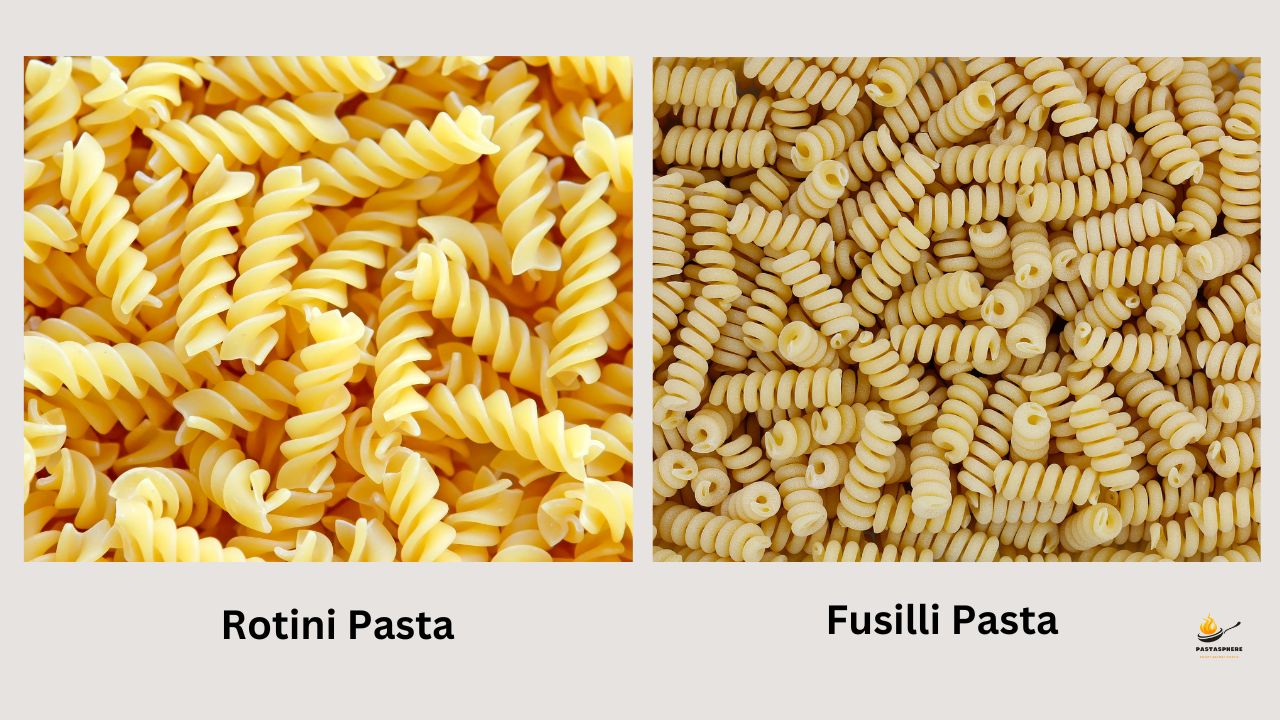
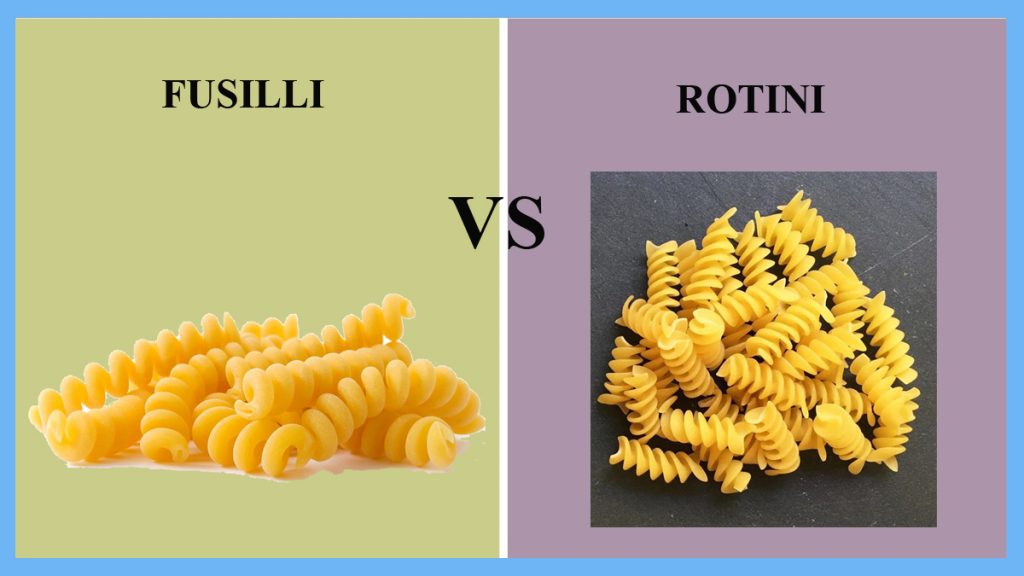
Think of fusilli as the tight, springy corkscrew you’d find in a fancy cocktail. It’s shaped like a long, thin wire that’s been twisted into a spiral, kind of like a phone cord from the old days. Each piece has a consistent, uniform twist from top to bottom.
Must Read
Now, rotini is the shorter, chunkier, more aggressive cousin. It looks like a tiny, twisted ribbon that’s been compressed—almost like a miniature spiral slide at a playground. The ridges on rotini are deeper and wider, giving it a more robust, almost sculpted look.
Hold a fusilli next to a rotini and you’ll see it: fusilli’s spirals are more open and elongated, while rotini’s are tighter and thicker. It’s like comparing a slinky to a spring from a mattress. One is elegant; the other is rugged.
How they’re made makes all the difference
Here’s where it gets cool. Fusilli is traditionally made by rolling a thin strip of pasta dough around a rod, then sliding it off. This gives it that smooth, consistent twist. It’s almost like a pasta accordion.
Rotini, on the other hand, is made by extruding dough through a die that rotates quickly. This creates that thick, grooved surface. It’s more like a pasta drill bit—all about grip and surface area.
That manufacturing difference isn’t just trivia; it changes how the pasta behaves in your mouth. Fusilli feels chewy and light, while rotini feels dense and substantial. Which one do you want for your next sauce? That’s the real question.
Sauce hitching: the real reason this matters
Ever had a pasta dish where all the sauce slid off and pooled at the bottom of the plate? That’s a tragedy. The shape of your pasta is a sauce vehicle, and fusilli and rotini have very different cargo capacities.
 Fusilli vs Rotini: A Comprehensive Comparison of Pasta - TremBom
Because fusilli is longer and more uniform, it’s great for light, oily sauces like pesto or aglio e olio. The spirals catch little pockets of flavor without overwhelming the noodle. It’s like a delicate slingshot for herbs.
Rotini, with its deep grooves and thick ridges, is a beast for chunky sauces. Think bolognese, marinara with big vegetable pieces, or a thick cheese sauce. Those ridges act like little claws, grabbing every bit of tomato and meat. It’s a brute that won’t let go.
Which one feels better in your mouth? (You know you’re curious)
Have you ever eaten pasta just for the texture? Fusilli offers a fun, bouncy chew. When you bite into it, the spiral uncoils slightly, giving you a little resistance. It’s playful, almost like a spaghetti version of a gummy worm.
Rotini is a different story. It’s denser, so every bite is a satisfying thud. You get a lot of pasta per forkful, and the ridges rub against your tongue. It’s a comforting, hearty mouthfeel—like eating tiny, pillowy rocket ships.
If fusilli is a dance party in your mouth, rotini is a hug from a heavyweight champion. Both are great, but your mood decides the winner.
Fun comparisons to keep you hooked
Think of fusilli as the slender, artistic friend who does yoga and talks about minimalism. It’s elegant, easygoing, and doesn’t need much to shine. A little olive oil and salt? Perfect.
 Types of Pasta and Their Best Pairing Sauces - Facts.net
Rotini is the irreverent, hungry buddy who shows up to a barbecue and piles everything on one plate. It wants to be drenched in flavor, layered with cheese, and thrown into a hearty bake. It’s the extrovert of pasta shapes.
One isn’t better than the other—they’re just for different parties. Would you bring fusilli to a summer salad? Absolutely. Would rotini rule in a cold pasta salad? Only if you want it to soak up dressing for hours.
The final scoop: how to choose like a pro
Next time you’re at the store, ask yourself: “What kind of meal am I making?” If you want a light, quick weeknight dinner with simple flavors, grab the fusilli. It’s forgiving and fast.
If you’re building a hearty, saucy, stick-to-your-ribs dish—like a baked pasta or a big bowl of Sunday gravy—rotini is your champion. Its ridges will hold the sauce hostage, in a good way.
And if you’re really feeling adventurous, buy both. Use them in the same dish. The contrast in texture will make everyone at the table pause and say, “Wait, what’s the difference?” Then you get to be the pasta guru. It’s a superpower, honestly.
So go ahead, embrace the spiral and the twist. Fusilli and rotini are two of the most fun shapes out there—little sculptures of dough just waiting to make your dinner amazing. Which one calls to you today?
