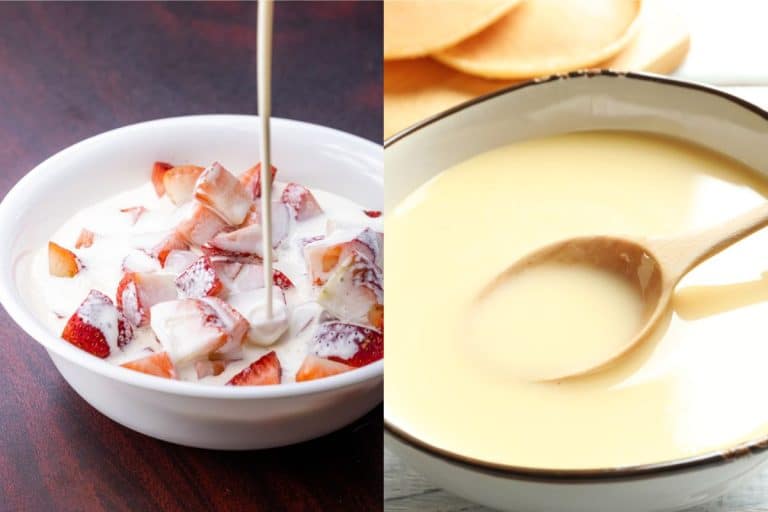
Difference Between Evaporated Milk And Cream

When it comes to stocking the kitchen, few dairy products spark as much debate as evaporated milk and cream. Both are staples in countless households, yet people frequently co...

When it comes to stocking the kitchen, few dairy products spark as much debate as evaporated milk and cream. Both are staples in countless households, yet people frequently confuse them or assume they are interchangeable. In reality, these two products are distinct in texture, nutrition, and culinary purpose. Understanding the difference can elevate your cooking, help you make smarter shopping decisions, and even save money. Whether you are a seasoned home cook or someone learning to experiment in the kitchen, knowing which one to reach for can make a noticeable difference in the final result of your favorite recipes.
The most fundamental difference lies in how they are made. Evaporated milk is fresh milk that has been heated to remove roughly 60% of its water content, then sterilized and canned. This process gives it a slightly caramelized flavor and a thicker consistency than regular milk, but it is far from the richness of cream. Cream, on the other hand, is naturally separated from fresh cow's milk during the churn process. It simply reflects the fat that rises to the top, with various fat percentages determining whether it is called light cream, whipping cream, or heavy cream. These production differences set the stage for everything that follows.
One of the most important distinctions is the fat content. Evaporated milk contains about 8 grams of fat per whole-milk serving, while heavy whipping cream can contain anywhere from 36% to 40% fat. This massive gap affects both flavor and functionality. Cooking with heavy cream produces luxurious, velvety sauces and decadent desserts, while evaporated milk offers a lighter alternative that still adds body without overwhelming the palate. For families watching their fat intake, evaporated milk provides a satisfying middle ground between plain milk and indulgent cream. Meanwhile, cream lovers appreciate its unmatched richness in everyday coffee or tea.
Must Read
Their uses in real-life cooking and baking also differ significantly. Evaporated milk shines in custards, flans, and classic pies like pumpkin pie, where its concentrated flavor and smooth texture are essential without excessive greasiness. It also works beautifully in mashed potatoes or creamy soups when you want thickness without heavy fat. Heavy cream, in contrast, is the go-to for making buttery whipped toppings, rich Alfredo sauces, and silky chocolate ganache. Consider a home cook preparing a Thanksgiving dinner: the turkey is basted with cream for a golden finish, while the pumpkin pie filling relies on evaporated milk for a firm, perfectly set slice. Both products play indispensable but clearly different roles.
From a nutritional standpoint, evaporated milk and cream also tell different stories. Evaporated milk retains most of its original protein and calcium while concentrating natural sugars slightly. Heavy cream, because of its high fat, delivers fewer vitamins per calorie and contributes significantly to daily fat consumption. For growing children or active adults who need calcium and protein without excess saturated fat, evaporated milk is often the smarter everyday choice. Conversely, cream can be enjoyed in moderation to add flavor and satisfaction to meals that might otherwise feel bland. Balancing both in your diet ensures you get courteous variety without sacrificing health goals.
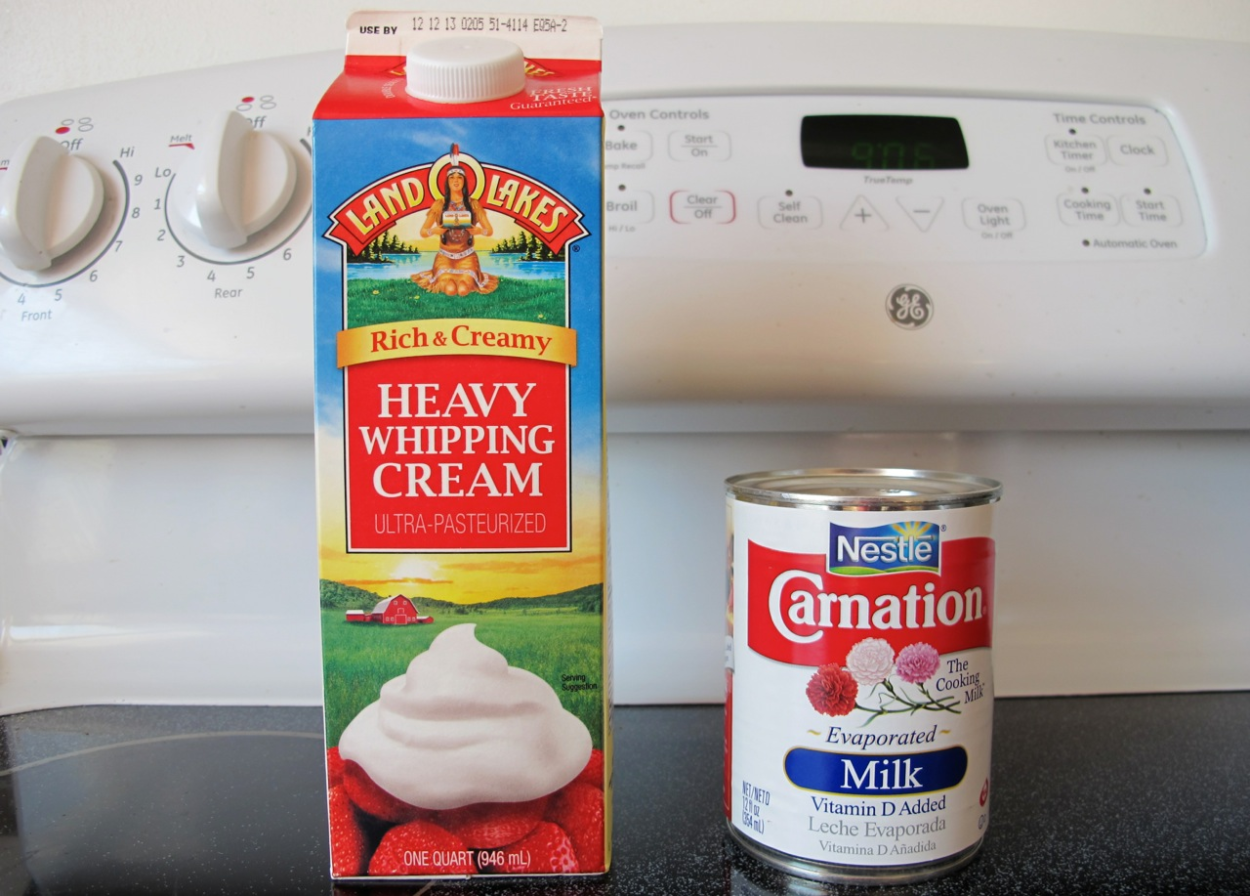 What Is Heavy Cream Called In Australia? Explained Simply | TAFT
Practical tips can make it easier to choose between these two products in your kitchen. First, always check the label before substituting one for the other, since recipes are calibrated to specific fat and moisture levels. Second, when a recipe calls for heavy cream, you can sometimes substitute evaporated milk plus a tablespoon of butter per cup for a lighter version. Third, store evaporated milk in the refrigerator after opening for up to five days, and refrigerate cream promptly as well to prevent spoilage. Finally, consider keeping both on hand: evaporated milk for everyday, economical cooking and cream for special occasions when you want to indulge. A well-stocked pantry empowers you to adapt any recipe confidently.
In the end, the difference between evaporated milk and cream is not just about fat numbers or process details—it is about having the right tool for the right job. Both products have earned their place in kitchens around the world because they each bring something unique to the table. Evaporated milk offers cost-effectiveness, lighter nutrition, and dependable performance in baking, while heavy cream delivers unmatched richness for sauces, desserts, and beverages. Embracing both in your culinary routine means you are always prepared, always thoughtful, and always ready to craft a meal that delights every person at the table. The more you understand these humble pantry staples, the more confident and creative you become in your own kitchen.