Difference Between Enchilada Sauce And Taco Sauce

There is a quiet, joyful satisfaction in the art of Mexican home cooking—the fragrant smell of cumin and chili wafting from the kitchen, the sizzle of a filled tortilla on a h...
There is a quiet, joyful satisfaction in the art of Mexican home cooking—the fragrant smell of cumin and chili wafting from the kitchen, the sizzle of a filled tortilla on a hot comal. This culinary tradition is built on a foundation of deeply flavorful sauces, each designed for a very specific purpose. Two of the most essential, yet often confused, are enchilada sauce and taco sauce. Understanding their differences is not just a matter of culinary trivia; it is the key to unlocking the full, authentic potential of your favorite dishes. Using the wrong sauce can muddle flavors, while using the right one can transform a simple weeknight meal into a vibrant, layered experience. This knowledge empowers you to approach the dinner table with confidence, turning every taco night or enchilada bake into a truly satisfying event.
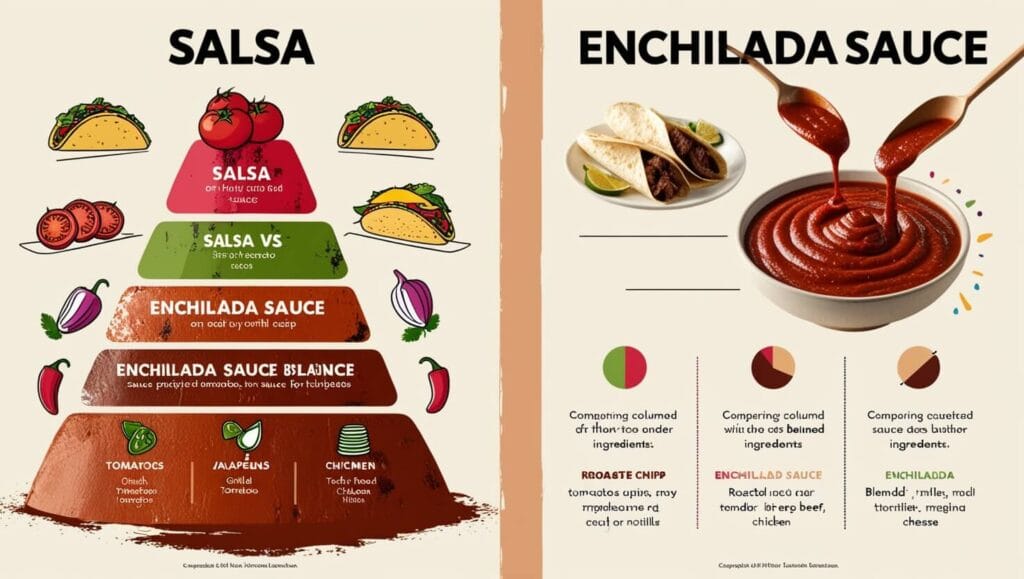
The primary difference lies in their intended use and texture. Enchilada sauce is a cooking sauce, meaning it is designed to be baked or simmered. It is typically thinner than a taco sauce, with a consistency similar to a light gravy. This allows it to soak into the corn tortillas during the baking process, softening them and melding with the fillings and cheese. In contrast, taco sauce is a table sauce or condiment. It is thicker, often smoother, and meant to be applied directly to finished food, right before eating. Think of it this way: enchilada sauce builds the foundation of a dish, while taco sauce provides the final, bright accent. If you slather a finished taco with raw enchilada sauce, you will get a watery, undercooked flavor. If you bake a casserole of tacos with taco sauce, you will end up with a thick, overly sweet, and potentially burnt top layer.
Their flavor profiles diverge just as distinctly. Enchilada sauce is built around the deep, earthy warmth of dried chilies, like ancho, guajillo, or New Mexico reds. These chilies are toasted, rehydrated, and blended, often with garlic, cumin, and a touch of oregano. The result is a complex, slightly smoky, and savory flavor that is not typically very spicy, but deeply aromatic. Its purpose is to complement the richness of cheese, beans, or shredded meat. Taco sauce, however, relies more heavily on tomato as its base, blended with fresh or dried chilies, vinegar, and often a touch of sugar. This gives it a brighter, tangier, and more acidic profile. It is designed to cut through the richness of ground beef or the creaminess of sour cream, providing a sharp, clean contrast. The primary goal of taco sauce is to add a final zing, while enchilada sauce aims to envelop and unify.
Must Read
Consider two common scenarios. Imagine Friday night taco bar: you have seasoned ground beef, shredded lettuce, diced tomatoes, and a squeeze of lime. You reach for taco sauce because its bright acidity and smooth texture will pool perfectly on top of the meat, offering a direct, punchy flavor with every bite. Now picture Sunday enchilada casserole: you have rolled corn tortillas filled with chicken and cheese, nestled in a baking dish. You pour a generous amount of enchilada sauce over the top because its thinner consistency will seep into the crevices, while the deep, smoky chilies will meld with the melting cheese during the 20-minute bake. The outcome of each dish depends entirely on this careful selection. Using the wrong sauce in these moments is the difference between a harmonious meal and a confusing one.
A common point of confusion is spice level. While both can be mild or hot, enchilada sauce tends to have a warmer, more savory heat that builds slowly, derived from the capsicum in the dried chilies. Taco sauce often has a sharper, more immediate heat, sometimes boosted by cayenne or chili powder. This is because taco sauce is used as a direct flavor enhancer—the heat hits your tongue right away, while enchilada sauce’s heat is meant to deepen during cooking. A good rule of thumb: if you want a slow, cozy warmth, choose enchilada sauce; if you want a quick, lively kick, choose taco sauce. Both can be adjusted with extra chili flakes or a dash of lime, but their fundamental heat character is tied to their intended role.
 Enchilada Sauce vs. Taco Sauce - What's The Difference?
To explore these differences on your own, start with a simple comparison. Buy a quality canned enchilada sauce and a high-end taco sauce from a Latin market. Taste them side-by-side, noting the texture and acidity of the taco sauce versus the smoky depth of the enchilada sauce. Then, try this: brush a corn tortilla with oil, sprinkle with cheese, and broil it for 2 minutes. Drizzle one triangle with taco sauce and the other with enchilada sauce. Taste them. You will immediately understand how one is designed for immediate impact and the other for a more integrated, slow-cooked flavor. For an even deeper dive, make a simple batch of each from scratch—just dried chilies, garlic, and broth for the enchilada sauce; canned tomatoes, vinegar, and chili powder for the taco sauce. This hands-on experience will reveal why each sauce holds a distinct, cherished place in the kitchen.
Ultimately, the distinction between enchilada sauce and taco sauce is a celebration of purposeful cooking. It reminds us that great food is not just about mixing ingredients, but about understanding their specific roles. Whether you are layering flavors for a bubbling casserole or adding a final burst of brightness to a handheld taco, having the right sauce at your disposal transforms the ordinary into the exceptional. By embracing this simple difference, you honor a rich tradition and ensure that every meal is balanced, delicious, and exactly as it was meant to be. The next time you stand before a jar of red sauce, you will know exactly which one to reach for—and your taste buds will thank you.