Difference Between Distilled Vinegar And White Vinegar

Ever stood in the vinegar aisle, squinting at the labels, wondering if you’re about to ruin your salad or your laundry? You’re not alone. The difference between distilled vine...
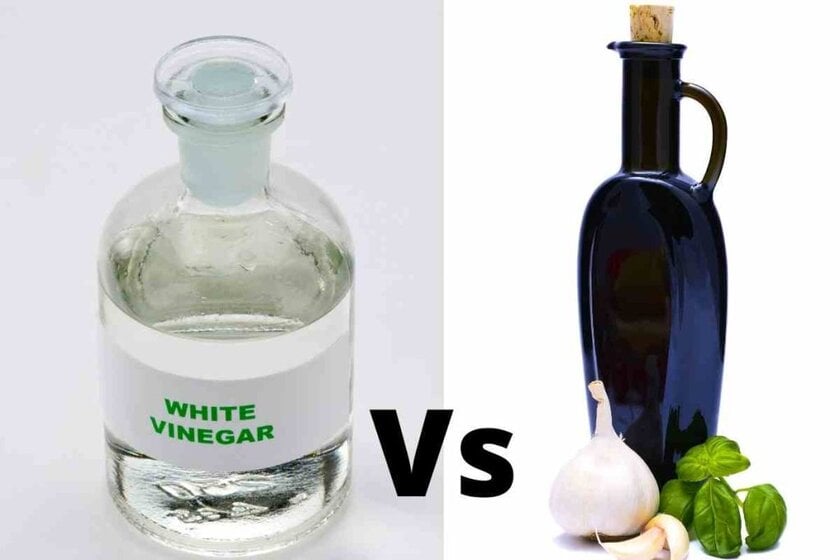
Ever stood in the vinegar aisle, squinting at the labels, wondering if you’re about to ruin your salad or your laundry? You’re not alone. The difference between distilled vinegar and white vinegar is one of those quiet kitchen mysteries that feels oddly important. Let’s crack it open together, no chemistry degree required.
The Quick Naming Game
First, a little honesty: in the US, “white vinegar” and “distilled vinegar” are often the exact same thing. Most bottles labeled “white vinegar” are actually made from distilled grain alcohol. But here’s where it gets interesting—true “distilled vinegar” can come from other sources too, like malt or cider, as long as it’s been distilled to clarify it.
But for everyday use, when you grab that clear, sharp-smelling bottle—whether it says “distilled” or “white”—you’re usually getting the same base: acetic acid diluted with water. It’s like calling a tomato a fruit or a vegetable—technically it’s both, but nobody argues at the grocery store.
Must Read
The Acidity Factor: Not All Vinegars Are Born Equal
Here’s a cool little number trick: the acidity level. Standard white vinegar (the common kind) is almost always 5% acetic acid. That’s the magic sweet spot for pickling, cleaning, and salad dressings. But some “distilled white vinegar” brands go up to 6% or even 10%—especially the industrial stuff sold for heavy-duty cleaning.
Wait—so can you pickle with a 10% vinegar? You can, but you’d need to adjust the recipe or risk turning your cucumbers into sour science experiments. Why does this matter? Because a 5% concentration is the goldilocks zone—strong enough to preserve, gentle enough not to burn your tongue.
The Taste Test: Neutral vs. Personality
If you’ve ever tasted a plain white vinegar—and why would you voluntarily do that?—you know it’s brutally sharp, almost sterile. It’s like a blank canvas for sourness, with no fruity or malty notes to distract you. Distilled white vinegar is the ultimate chameleon: it adds tang without adding “character.”
Compare that to, say, apple cider vinegar, which tastes like fermented apples, or balsamic, which is practically a dessert. White vinegar is the library quiet option—it does its job and doesn’t gossip about its flavor past. That’s why it’s perfect for cleaning, baking, and pickling where you don’t want a fruity shadow.
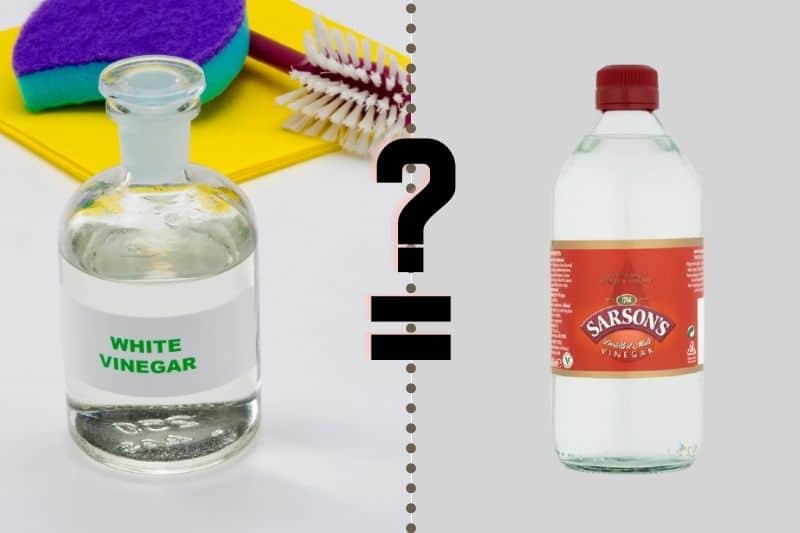 Is White Vinegar the Same as Distilled Malt Vinegar?
Where White Vinegar Shines (And Where It’s A Disaster)
Think of white vinegar as the workhorse of your pantry. It’s the grout cleaner, the window streak-buster, the weed killer, and the deodorizer that makes your coffee maker smell like a lab. Want to kill germs on a cutting board? White vinegar’s got your back. Does it work for making fancy vinaigrette? Technically yes, but you’ll taste nothing but acidic screaming.
But here’s where it gets fun: distilled vinegar (when it’s not the white stuff) can include rice vinegar, malt vinegar, or even champagne vinegar—all distilled to be milder. Malt vinegar is that dark, almost-beer-tasting stuff you drench fish and chips in. Distilled malt vinegar? That’s a lighter version, still malty but less aggressive. It’s like comparing a loud friend to their introverted twin.
So, Which One Should You Buy?
Honestly, if you’re just looking for an all-purpose home hero, grab a bottle labeled “distilled white vinegar” at 5% acidity. It’ll clean your counters, pickle your cucumbers, and make your hard-boiled eggs peel like a dream. Need something for delicate dishes or drizzle-worthy dressings? Skip the white stuff and opt for a distilled fruit vinegar—like white wine or champagne vinegar.
But don’t overthink it. The real difference is intent: white vinegar is the reliable friend who shows up with a toolbox and a mop; distilled vinegar is the fancier cousin who brings a nice bottle of wine and a story. Both have their place—just don’t invite the mop to your dinner party.
 Is White Vinegar and Distilled Vinegar the Same Thing - Kamila-has
The Fun Comparison: Vinegar as a Person
Imagine white vinegar as that one friend who always says “I’m fine” when they’re clearly not—sharp, straightforward, maybe a little intense. Distilled vinegar (the non-white kind) is the chill friend who says “I’m okay but I’ll tell you my whole life story if you ask”—complex, nuanced, but still tangy. And then there’s balsamic vinegar, the friend who shows up late, dressed in expensive leather, and somehow makes everyone feel inadequate.
So next time you’re in the aisle, ask yourself: Do I want a vinegar that’s loud and clear, or one that whispers a little? Usually, you want the loud one for cleaning and the whisperer for cooking. But hey, experiment—your kitchen won’t explode.
One Last Weird Fact
Did you know white vinegar can be made from wood? Yep, some industrial versions start with wood cellulose instead of grain. It’s a whole Frankenstein vibe—wood turned into sour water. Meanwhile, good old distilled grain vinegar starts from corn or barley, like a mini brewery for acid. Which one would you rather put on your salad? The wood one might sound punk rock, but stick with the grain stuff for eating.
So here’s the takeaway: distilled vinegar and white vinegar are basically twins in most grocery stores, but the family tree gets weird if you dig deeper. Stay curious, read the label for acidity, and never be afraid to sniff before you cook. Happy pickling, pal.
