Difference Between Dark Red Kidney Beans And Light

There is something deeply satisfying about a hearty bowl of chili or a slow-simmered pot of red beans and rice. The humble kidney bean, with its creamy texture and ability to...
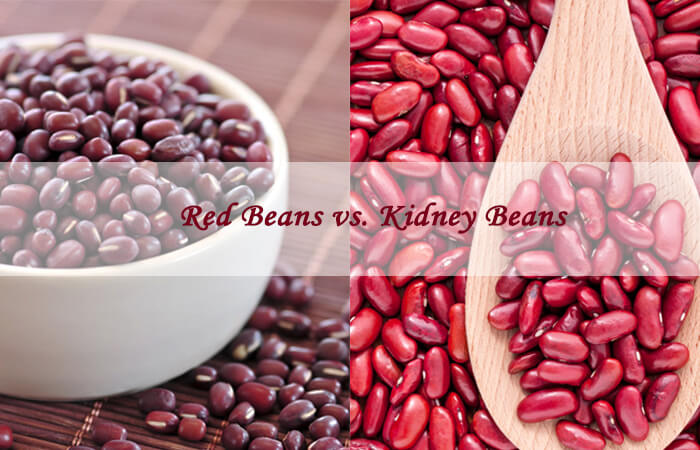
There is something deeply satisfying about a hearty bowl of chili or a slow-simmered pot of red beans and rice. The humble kidney bean, with its creamy texture and ability to absorb rich flavors, is a staple in kitchens around the world. But walk down any grocery aisle, and you will see two distinct cousins: the dark red kidney bean and the light red kidney bean. While they share a family name, understanding their subtle differences can transform your cooking from good to exceptional. Knowing which variety to choose helps you achieve the perfect texture, color, and flavor for your favorite everyday meals.
The most obvious difference between the two is, of course, appearance. Dark red kidney beans boast a deep, glossy, mahogany-colored skin, while light red kidney beans are a softer, pinkish-red hue that is often slightly paler and more matte. This color distinction is not merely cosmetic—it hints at their structural makeup. The darker bean’s skin tends to be thicker and more robust, which allows it to hold its shape remarkably well during long cooking times. For example, if you are making a slow-cooked Louisiana-style red beans and rice that simmers all afternoon, the dark red variety will remain distinct and firm, adding a satisfying bite to every spoonful.
Beyond looks, the key purpose of understanding this difference lies in texture and cooking behavior. Light red kidney beans have a slightly thinner skin and a softer, more tender interior. They tend to break down more easily when cooked, releasing their starches to create a creamier, more integrated sauce or broth. This makes them an ideal choice for dishes where you want a velvety consistency, such as a thick bean soup or a refried bean base. In contrast, dark red kidney beans are the champions of structural integrity. They are perfect for salads, where you want the beans to remain whole and intact, or for chilis that are reheated multiple times, as they resist turning into mush.
Must Read
The flavor profile also offers a subtle but meaningful distinction. While both are mild and earthy, the dark red kidney bean possesses a slightly more pronounced, robust flavor—often described as nuttier and fuller-bodied. The light red kidney bean is gentler and more delicate, making it a better canvas for absorbing bold spices and seasonings. Imagine making a spicy Indian curry: using light red beans allows the cumin, coriander, and chili to shine through without competition. Conversely, a classic Southern ham hock and bean stew benefits from the dark bean’s own hearty voice, creating a deeper, more complex dish.
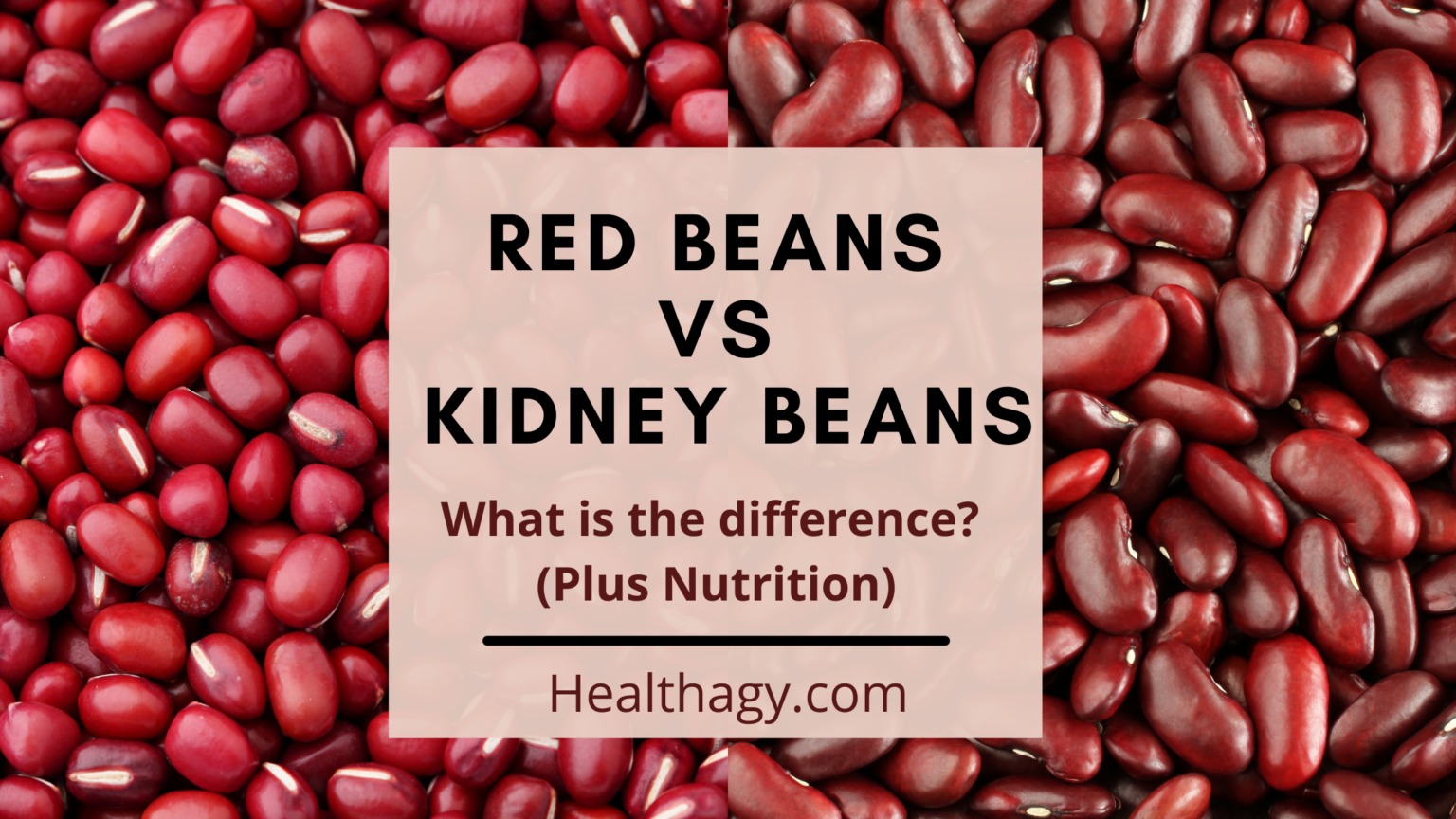 Red Beans vs Kidney Beans: What is the Difference? (Plus Nutrition
The benefits for everyday life are practical and satisfying. By choosing the right bean, you avoid common kitchen frustrations like ending up with a soupy salad or a chili that has turned into an unrecognizable paste. For a children’s taco night, the light red kidney bean is a safer bet—its softer skin is easier to mash into a smooth filling. For a meal-prep work lunch of cold bean and corn salad, the dark red kidney bean will stay firm and appealing for days. This simple knowledge gives you control over your cooking outcome, saving you time and ensuring consistent results every time you open a can or soak a bag.
To explore this difference on your own, start with a simple side-by-side test. Buy one can of each variety, drain and rinse them, then taste them plain. Notice how the dark red skin feels on your tongue—it will be slightly tougher. Next, prepare a quick chili using half of each can. Cook it for 30 minutes, then observe: the light beans will have softened and melded into the sauce, while the dark beans will remain distinct. A pro tip for home cooks: when a recipe calls for “red kidney beans” without specifying, choose the dark red variety if you value texture, and the light red if you want a creamier result.
 Red Kidney Beans | Bulk Nuts 4 You
Another easy experiment is to make a warm bean salad. Toss the dark red beans with olive oil, lemon juice, fresh parsley, and diced red onion. The contrast between the glossy, dark beans and the bright vegetables is visually stunning. Now try the same recipe with light red beans; the effect will be softer and more rustic. This quick dish highlights how visual appeal and mouthfeel work together. You can also label your pantry with small notes reminding you of each bean’s best use—this turns a simple staple into a strategic ingredient.
Ultimately, the choice between dark red and light red kidney beans is not about one being superior, but about intention. Both are nutritious powerhouses, packed with protein, fiber, and iron, making them a cornerstone of affordable, healthy eating. By appreciating their unique strengths, you elevate your everyday meals from routine to rewarding. So next time you reach for a can, pause and think about the dish you are creating. Let the bean’s color and texture guide your hand, and you will discover a new level of deliberate cooking that brings joy to every plate.
