Difference Between Dark Red And Light Red Kidney Beans

So, you’re standing in the grocery aisle, staring at two bags of kidney beans. One is a deep, velvety maroon, almost like a fine red wine. The other is a brighter, pinkish-red...
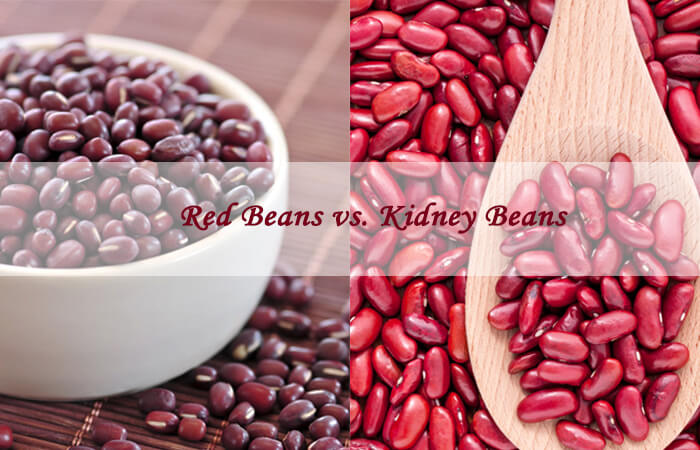
So, you’re standing in the grocery aisle, staring at two bags of kidney beans. One is a deep, velvety maroon, almost like a fine red wine. The other is a brighter, pinkish-red, like a blushing tomato. You’re thinking: “Aren’t they all just… beans?” And the answer, my friend, is a glorious “Not quite.” Let’s settle this once and for all, over a friendly chat—no judgment, just beans.
First, let’s talk personality. Dark red kidney beans are the stoic, dependable friend in your pantry. They’re the ones you call when you’re making a slow-simmered chili that needs to hold its shape. Their thick skin and firm texture mean they’re built to last—even after an hour in a pot, they won’t turn to mush. They’re the Beyoncé of beans: powerful, resilient, and always in command. Light red kidney beans, on the other hand, are the carefree, social butterfly. They’re a bit softer, creamier, and they break down more easily. Perfect for recipes where you want a silkier texture, like a smoky bean dip or a hearty soup where beans just kind of melt into the broth. (Don’t worry, they’re still troopers—they just like to relax a little faster.)
Now, the flavor factor. Here’s the secret: they taste almost identical to the untrained palate, but life is about those subtle nuances. Dark red beans have a slightly earthier, more robust flavor—think of it as a whisper of mushroom and molasses. Light red beans are a touch milder and sweeter, like a gentle hug for your taste buds. Honestly, if you swap them in a recipe, nobody will call the police. But if you’re a bean connoisseur? You’ll notice. And your chili will judge you. (Just kidding… mostly.)
Must Read
But wait—there’s a safety warning, and this is not a joke. Both types are toxic when raw! Yes, you read that right. Uncooked kidney beans contain a toxin called phytohaemagglutinin. It sounds like a spell from Harry Potter, and it’ll give you a real rough time if you eat them undercooked. So here’s the golden rule: always boil them for at least 10 minutes before slow-cooking or using in a dish. (Canned beans are pre-cooked and perfectly safe, so you can relax.) This applies equally to both colors—no bean is safer than the other. They’re in it together, like mischievous twins plotting a stomach ache.
When should you pick one over the other? Let’s get practical. For a classic Southern-style red beans and rice? Go light red. Their creaminess blends beautifully with the rice and sausage. For a fiesta-worthy chili or a bean salad that’s going to sit in the fridge overnight? Dark red is your hero—they stay firm and don’t get mushy when tossed with dressing. And if you’re making a bean burger? Light red is a dream because they mash easily; dark red will give you chunky, cowboy-style patties. Your choice, partner.
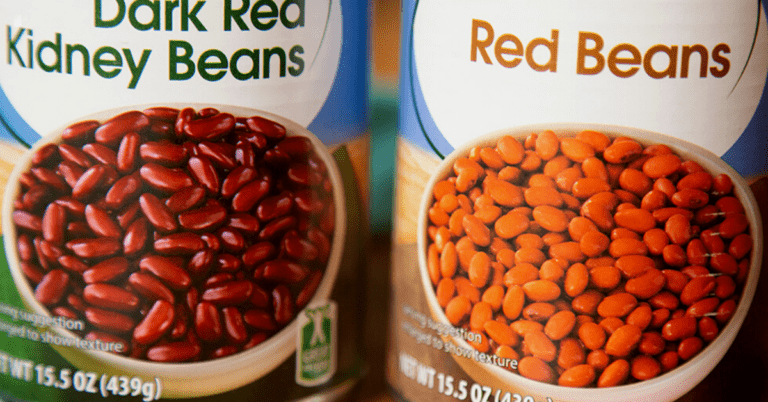 Red Beans vs Kidney Beans: Unraveling the Bean Battle Plus 15
Quick tip: Soak your dried beans—cover them with water, toss in a bay leaf, and let them chill overnight. It’ll cut cook time and make them easier to digest. Your gut will send you a thank-you note.
So here’s the uplifting truth: you can’t go wrong. Dark red or light red, these little gems are packed with fiber, protein, iron, and all the love your body craves. They’re humble, affordable, and they’ll make you feel like a kitchen goddess (or god) with minimal effort. Whether you’re building a smoky pot of chili or a creamy, dreamy bean dip, you’re giving yourself a hug from the inside out. And isn’t that what life’s really about? Finding joy in the simple stuff—like two shades of the same beautiful bean, neither better, just different. So grab a bag, give it a little shake, and go make something delicious. You’ve got this. And your beans are rooting for you.

