Difference Between Dark Corn Syrup And Light Corn Syrup

So, you’re standing in the baking aisle, staring at two bottles of corn syrup—one as pale as a ghost, the other the color of a sun-tanned tourist. We’ve all been there, feelin...

So, you’re standing in the baking aisle, staring at two bottles of corn syrup—one as pale as a ghost, the other the color of a sun-tanned tourist. We’ve all been there, feeling like we need a degree in syrupology just to make a batch of pecan pie. Let’s fix that, shall we? Grab your apron, and let’s chat about the real difference between dark corn syrup and light corn syrup—because your cookies (and your sanity) deserve it.
Think of light corn syrup as the calm, collected friend who never shows up with drama. It’s basically a clear, sweet liquid made from cornstarch, but its superpower is preventing sugar crystals from forming in your candy or fudge. It’s the unsung hero of glossy caramel sauces, the secret to shiny fruit pies, and the reason your homemade marshmallows don’t turn into a gritty mess. The flavor? Delicate. Almost shy. It whispers “sweet” without yelling. It’s neutral, my friend—like a blank canvas for your baking artistry.
Now, dark corn syrup is its edgier, more confident cousin. It’s the same base as light syrup, but it’s spiked with refiners’ syrup (a fancy term for molasses-like goodness) and a touch of caramel color. This gives it a deep, toasty, almost smoky flavor—the kind of complexity that makes gingerbread cookies taste like a hug from a grandmother. It’s also slightly thicker and richer. If light syrup is a polite nod, dark syrup is a warm, enthusiastic handshake. You’ll want it for: pumpkin pie, shoofly pie, spice cakes, and that gorgeous sticky glaze on ham or sweet potatoes. But be warned—it will dominate the flavor of anything you put it in, so don’t swap them willy-nilly or your vanilla sugar cookies might taste like a campfire.
Must Read
Here’s where the “can I swap them?” question creeps in. The short answer: Yes, but with caution. If you’re making candy or a light, delicate dessert (like a lemon tart) and you only have dark syrup, you’ll end up with a weirdly colored, molasses-tinged result that might surprise your taste buds. Conversely, using light syrup in a recipe that calls for dark (like a traditional pecan pie) will produce a lighter, blander filling—and your grandmother might sense the betrayal from across the country. For most baking, if you’re in a pinch, you can swap, but expect the flavor and color to shift about as subtly as a pogo stick in a library.
And a little secret? Neither is a health food. They’re both straight-up sugars, so don’t convince yourself that dark syrup is “better” because it looks rustic. It’s just different. Think of it like choosing between a vanilla latte and a mocha—both are delicious, but one has a bigger personality.
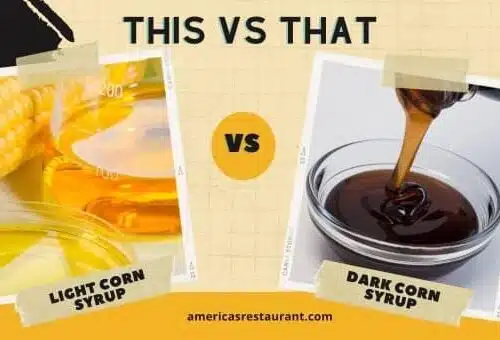 Light vs Dark Corn Syrup: Which is a Better Option? 2026
So next time you’re in that syrup aisle, remember: Light is your trusty sidekick for purity and crispness. Dark is your flavorful rebel for deep, cozy vibes. You need both in your pantry, like you need both coffee and tea. Or like you need both a serious friend who holds your hair back after one too many martinis, and a fun friend who hands you the second martini.
Now go forth and bake, you syrup-savvy legend. May your pies be glossy, your fudge be smooth, and your kitchen smell like a magazine cover. And if you mess up? Just call it “artisan.” After all, you’re not a chef—you’re a syrup whisperer. Happy baking!

