Difference Between Dark And Light Red Kidney Beans

Ever stood in the grocery aisle, staring at two bags of kidney beans, wondering if they’re secretly the same thing? You’re not alone. Let’s talk about the difference between d...
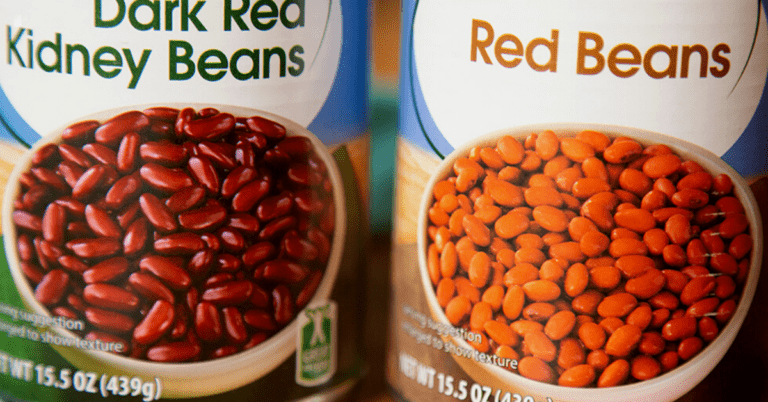
Ever stood in the grocery aisle, staring at two bags of kidney beans, wondering if they’re secretly the same thing? You’re not alone. Let’s talk about the difference between dark and light red kidney beans, and trust me, it’s way cooler than you’d think.
First off, they look different. The dark red ones are like that mysterious, brooding character in a movie—deep, wine-colored, and almost velvety. The light red ones are paler, almost pinkish, with a slightly glossy finish. It’s like comparing a ruby to a rose quartz.
But is it just a cosmetic thing? Not quite. Their flavors and textures are where things get really interesting. Think of the dark red kidney bean as the sturdy, meaty cousin—it holds its shape like a champ after cooking. The light red kidney bean is a bit softer, creamier, and more willing to break down into a stew.
Must Read
The texture tug-of-war
Have you ever made chili and wanted those beans to stay intact, not turn into mush? That’s where dark red kidney beans shine. They’re dense, firm, and keep their “bean integrity” even after simmering for an hour. They’re the bodybuilders of the bean world—bulky, reliable, and not easily broken.
Light red kidney beans, on the other hand, are the gentle souls. They absorb flavors like a sponge and get tender faster, almost buttery. If you’re making a creamy soup or a bean dip, these are your go-to. They soften up and blend into the background, like a supporting actor who steals the show without trying.
Why does this matter? Because your recipe deserves the right bean. Imagine biting into a salad where the beans are too soft—it’s a bummer. Or getting a chili where the beans are so firm they’re almost crunchy. Match the bean to the dish, and you’re a kitchen hero.
The flavor fan club
Taste-wise, both are mild and earthy, but there are subtle differences. Dark red beans have a slightly richer, almost savory flavor—some say with a hint of chestnut. Light red beans are milder, sweeter, and more neutral, making them perfect for soaking up whatever spices you throw at them.
Here’s a fun comparison: dark red kidney beans are like a good cup of black coffee—bold, robust, and unapologetic. Light red ones are more like a latte—smooth, gentle, and adaptable. Which one sounds more like your vibe today?
And let’s not forget their cultural roles. In Indian cuisine, dark red kidney beans are the star of Rajma, a thick, spicy curry where the beans stay whole and meaty. Light red ones show up in Creole or Cajun dishes, like red beans and rice, where they melt into a creamy, soulful gravy. It’s like each bean has a passport and a favorite dish.
The scientific curiosity
Here’s a cool fact: they’re technically the same species—Phaseolus vulgaris. But then, why the color difference? It’s all about anthocyanins, the same pigments that make blueberries blue and eggplants purple. Dark red beans have higher levels of these antioxidants. So, the darker bean isn’t just edgy—it’s packed with extra plant-powered goodness.
 Red Kidney Beans | Bulk Nuts 4 You
But wait—there’s a catch. Both have a compound called lectin (specifically phytohaemagglutinin) that can be toxic if you eat them raw. Don’t panic! Just boil them properly for at least 10 minutes, or use canned ones right out of the can. Either way, you’re safe, as long as you’re not nibbling on crunchy, raw beans. Ever wondered why canned beans always seem so perfect? It’s because they’re already cooked under pressure—science is cool, right?
Also, light red beans tend to cook a little faster than dark ones. If you’re impatient, like me, go with the lighter variety. But if you’re meal-prepping and want that perfect “al dente” texture for a fridge-to-table salad, dark red is your ally.
Picking the winner
So, which one should you buy? Honestly, there’s no wrong answer—it’s about mood and menu. Are you making a hearty winter chili? Grab the dark red guys. Is it a summer bean salad with lemon and herbs? Light red all the way. Are you feeling indecisive? Buy both and have a tasting party.
One more thing: price and availability. In most grocery stores, dark red kidney beans are more common, especially in canned form. Light red ones sometimes hide in the bulk bins or ethnic aisles. Don’t be too stressed; they’re often interchangeable in a pinch. Just remember that if you swap them, your dish might be a bit mushier or firmer—and that’s okay. Cooking is about experimenting, not perfection.
Here’s my personal take: I use dark red beans for chilis and tacos, where I want that bold presence. I use light red beans for soups and dips, where I want everything to feel cozy and blended. But sometimes, I defy logic and toss them into the same pot, just to see what happens. Spoiler: it’s always delicious.
Let’s be real—these two beans are more similar than different. They’re both packed with protein, fiber, and that satisfying, earthy flavor that makes beans a staple. The difference is subtle, like the difference between a good friend and a best friend. You’ll love both, just for different reasons.
Next time you’re scanning the aisle, don’t just grab the first bag. Squint a little, notice the color, and ask yourself: “Do I want a bold, sturdy companion or a buttery, gentle one?” Then pick your bean, go home, and make something fun. And if you mess up? Eh, just call it a fusion dish.
Happy cooking, bean explorer.
