Difference Between Crushed And Stewed Tomatoes

There is perhaps no greater joy in the kitchen than opening a can of tomatoes. Whether you are building a slow-simmered ragù, a quick weeknight soup, or a vibrant salsa, the h...
There is perhaps no greater joy in the kitchen than opening a can of tomatoes. Whether you are building a slow-simmered ragù, a quick weeknight soup, or a vibrant salsa, the humble tomato forms the backbone of countless comforting meals. But a common moment of confusion arises when a recipe calls for crushed tomatoes versus stewed tomatoes. Understanding the difference between these two pantry staples is a small but mighty skill that elevates your cooking from good to great. It ensures your dish has the correct texture, flavor, and consistency—saving you from a watery sauce or an oddly chunky stew. Mastering this distinction is a key benefit for everyday life, turning a simple can into a precise tool for any meal you imagine.
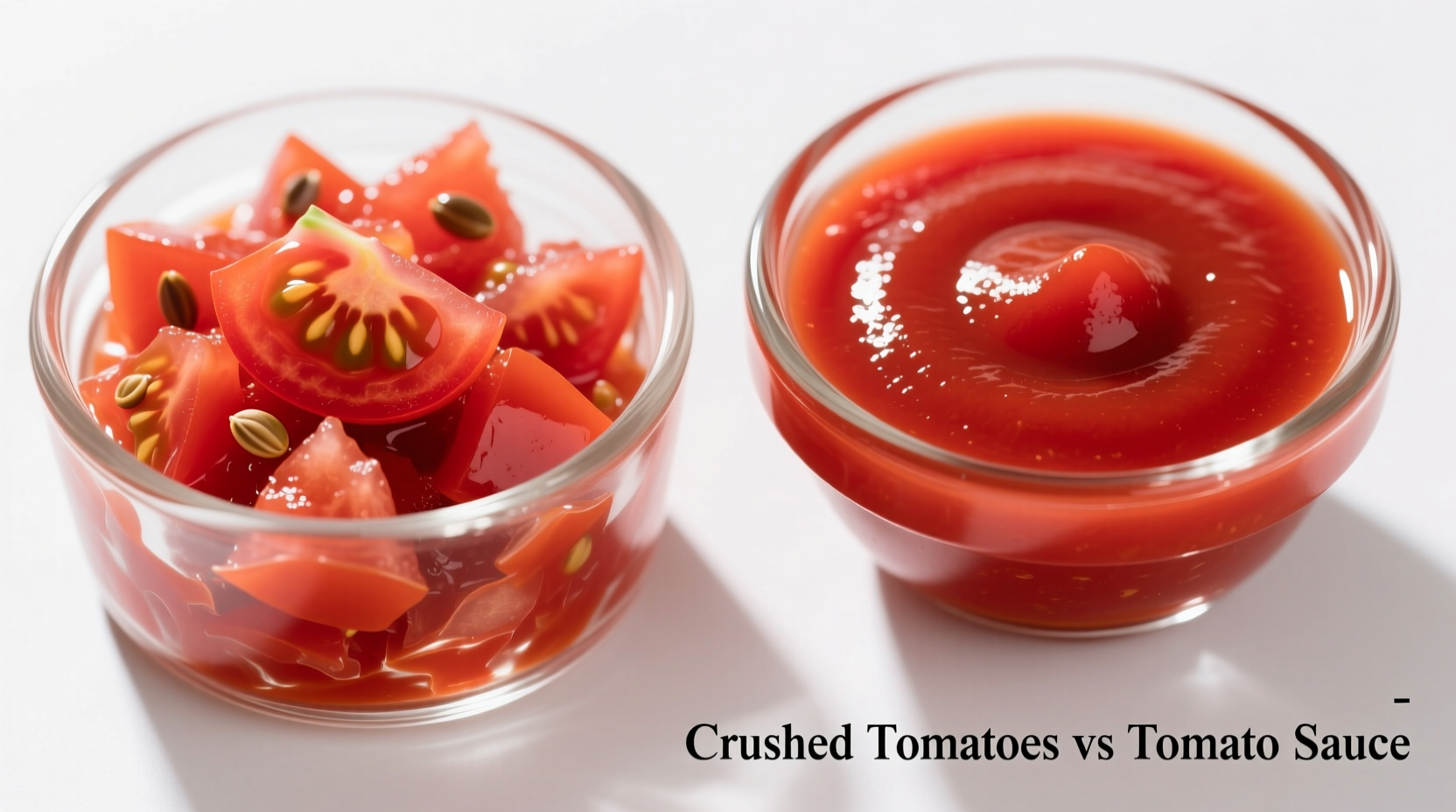
The most fundamental difference lies in their texture and processing. Crushed tomatoes are exactly what they sound like: whole, peeled tomatoes that have been crushed into a thick, slightly chunky puree. They usually contain no added flavorings or thickeners beyond a pinch of salt and possibly a splash of citric acid for preservation. Stewed tomatoes, on the other hand, are whole, peeled tomatoes that have been cooked in the can with a blend of seasonings—typically onions, green peppers, celery, sugar, and sometimes herbs. They are cut into larger, more distinct chunks. If you open a can of crushed tomatoes, you get a uniform, saucy base. Open a can of stewed tomatoes, and you find substantial, seasoned pieces swimming in a thin, flavorful juice.
This textural and flavor distinction dictates their ideal culinary uses. Because crushed tomatoes are pureed and unseasoned, they serve as the perfect foundation for sauces, soups, and braises. Imagine making a classic marinara: you start with crushed tomatoes, sautéed garlic, and fresh basil. The sauce cooks down smoothly and evenly, coating every strand of pasta. Stewed tomatoes, with their large chunks and built-in seasoning, are better used in dishes where you want a heartier, more rustic bite and a pre-established flavor profile. Consider a simple beef stew or a pot of chili; the chunks of stewed tomatoes add a distinct texture and a savory-sweet backdrop of bell pepper and onion. Using stewed tomatoes in a marinara would result in a chunky, overly seasoned sauce, while using crushed tomatoes in chili might make it too smooth and bland.
Must Read
To bring this to life with a concrete scenario, think about making a best-ever lentil soup. If you use crushed tomatoes, you will get a beautifully smooth, velvety base that integrates seamlessly with the lentils and vegetable broth. You would then add your own sautéed onion, celery, and garlic to build flavor from scratch. Now, picture using stewed tomatoes instead. You would open the can and find large, pre-seasoned chunks floating in juice. Your soup would have distinct, softened pieces of tomato skin and flesh, adding a chunky, almost salsa-like texture. The flavor would carry notes of green pepper and sugar, which might clash with or overwhelm the earthy lentils. The choice isn't right or wrong—it's about matching your ingredient to the desired outcome. For a smooth, customizable soup, crushed is the winner. For a chunky, ready-to-eat rustic stew, stewed is your friend.
 Tomato Puree Vs Crushed Tomatoes
Another critical point is how they respond to long cooking times. Crushed tomatoes are incredibly forgiving. They thicken and concentrate beautifully over a low simmer, developing deep caramelized notes without breaking down into a watery mess. This is why they are favored for southern Italian Sunday gravy or a long-simmered bolognese. Stewed tomatoes, because they are already cooked and seasoned, are best added later in the cooking process. If you cook them for too long, the chunks can disintegrate, and the sugars from the seasoning may caramelize too quickly, making the dish taste stale or overly sweet. A simple tip: add stewed tomatoes in the last 20–30 minutes of cooking if you want their texture and flavor to remain distinct.
To explore this on your own, start with a single batch of your favorite pasta sauce. Make it first with crushed tomatoes, taking note of the smooth, rich result. Then, on another night, make the same recipe but use stewed tomatoes (give them a quick chop first) and omit the fresh onion and bell pepper you would normally add. Observe how different the texture and flavor become. For a more advanced exploration, try making a quick shakshuka. Use crushed tomatoes for a silky, spiced sauce base. Swap in stewed tomatoes for a chunkier, heartier version that bakes with the eggs more robustly. Finally, remember this simple rule of thumb: crushed tomatoes are the blank canvas; stewed tomatoes are the pre-painted still life. Neither is superior; each is a tool designed for a specific job. By understanding their differences, you unlock the ability to cook with intention, confidence, and delicious results every time.