Difference Between Challah And Brioche

So you're walking through the bakery, and you see these beautiful golden loaves. One says challah, the other says brioche. They look kinda similar, right? But are they actuall...

So you're walking through the bakery, and you see these beautiful golden loaves. One says challah, the other says brioche. They look kinda similar, right? But are they actually the same thing?
Here's the thing — they're close cousins, but definitely not twins. Understanding what sets them apart is actually one of the coolest food rabbit holes you can go down. Once you know, you'll never look at either loaf the same way again.
What Exactly Is Challah?
Challah is a braided Jewish bread with deep cultural roots. It shows up on Shabbat tables every Friday night and during major holidays like Rosh Hashanah. Think of it as more than just bread — it's a tradition you can eat.
Must Read
The dough is enriched with eggs and oil, which gives it that soft, slightly sweet pull-apart texture. Unlike many European breads, traditional challah doesn't use dairy or butter. That's actually super smart when you're keeping kosher meals separate — no dairy and meat at the same table.
Let's talk about that iconic braid for a second. Jewish tradition actually links the number of strands to something meaningful — like peace, unity, or honoring God. The visual alone makes challah feel ceremonial and special.
What's the Deal With Brioche?
Brioche is French through and through, born in Normandy centuries ago. The French basically cracked the code on making bread feel like a pastry. It's rich, buttery, and almost suspiciously indulgent.
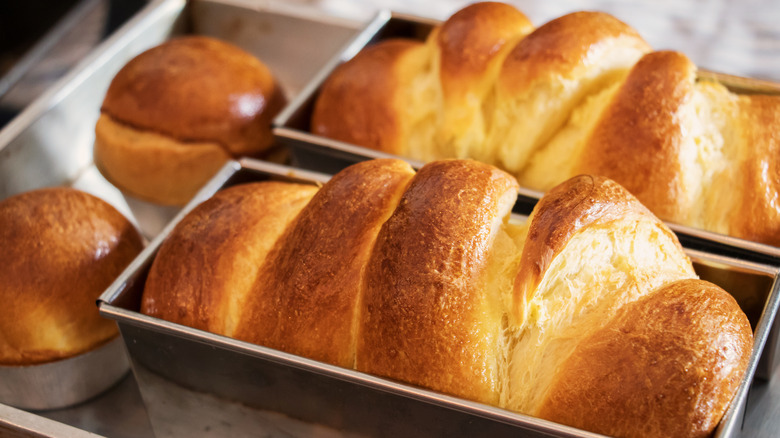
The magic ingredient in brioche is butter — a lot of it. We're talking anywhere from 20% to 50% flour weight in butter. Some recipes push it even further, and honestly? No one's complaining.
 Ina Garten's Go-To Source For Good Brioche Bread
Like challah, brioche also uses plenty of eggs, which helps with that gorgeous golden crust. But butter is the true star here, giving brioche that melt-in-your-mouth, almost cake-like crumb. One bite and you'll swear you're eating something between bread and heaven.
So What's Actually Different?
Fat source is probably the biggest difference. Challah relies on egg yolks and vegetable oil, while brioche leans hard into butter. This one swap changes everything — from flavor to texture to how they toast.
The result? Brioche tastes richer and more indulgent, while challah has a cleaner, nuttier sweetness. Challah is sturdy enough to tear apart at dinner, but brioche feels almost too luxurious for everyday eating.
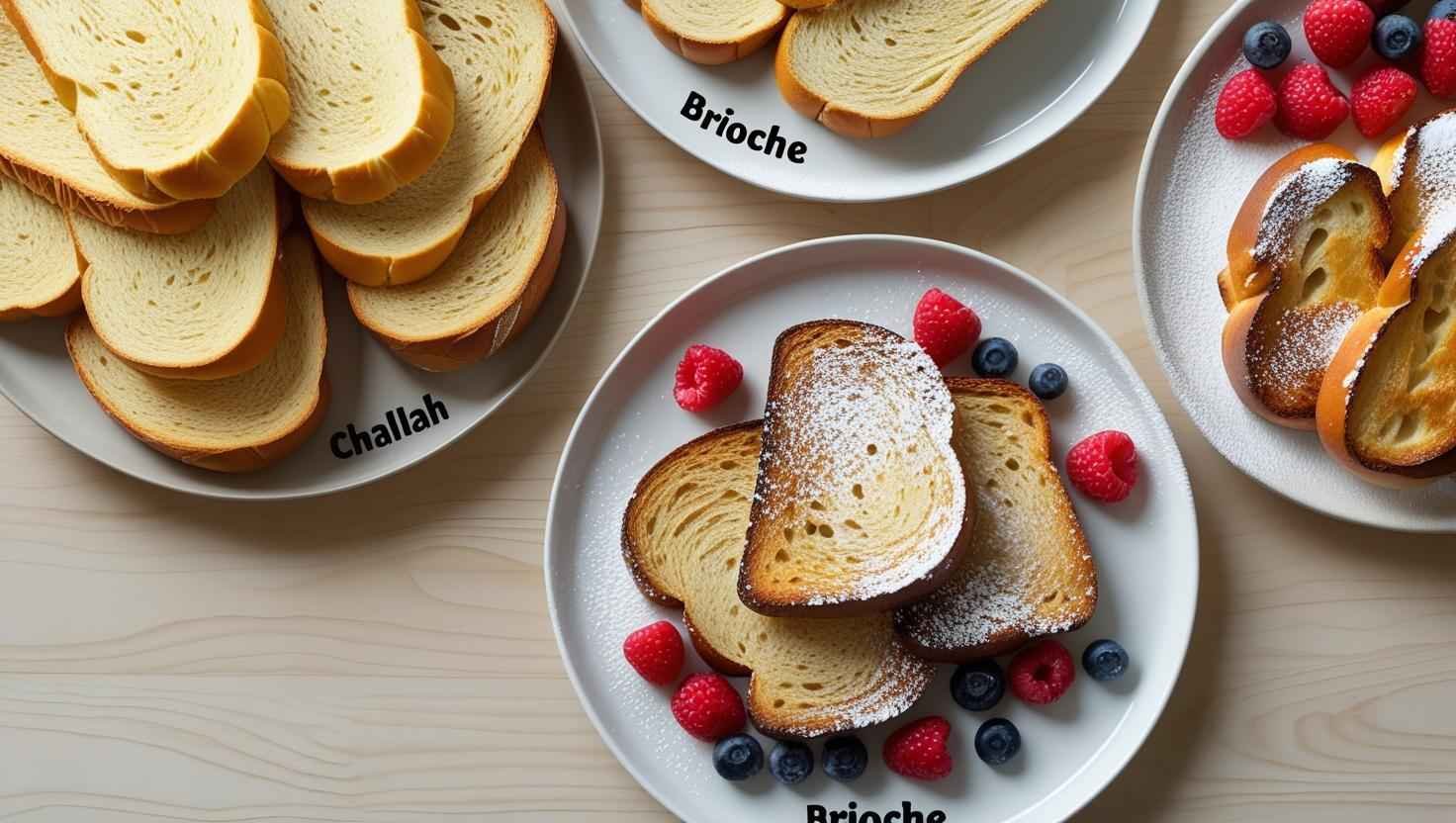
Let's also look at color and texture side by side. Challah has a slight sheen thanks to its egg wash and bakes into a soft, chewy interior. Brioche gets that deeper golden hue and a fluffy, almost brioche-pastry hybrid crumb that practically dissolves.
 How to Make Challah Bread – Easy, Braided & Delicious Recipe
The Cultural Story Matters Too
These two breads come from totally different worlds, and that history matters. Challah carries centuries of Jewish ritual — it's named after the portion of dough set aside for the priests in biblical times. It shows up on the table for everything from mourning unto the happiest celebrations.
Brioche, meanwhile, is a little bit of an aristocrat. French bakeries and pastry shops have elevated it to an art form over the years. It went from peasant food to the bread you see filling fancy French
How to Tell Them Apart at a Glance
Alright, let's get practical. Here's a quick cheat sheet for when you're staring at two loaves and trying to figure out which is which.
- Challah: braided, slightly sweet, egg-and-oil-based, has that ritual significance
- Brioche: usually a simple loaf or crown shape, buttery and rich, almost cakey inside
- Challah has a smoother, softer bread texture
- Brioche feels more like pastry that learned bread manners
If it's made for a Shabbat dinner, it's probably challah. If the baker looks like they just spent six hours folding butter into dough, it's almost certainly brioche.
 What Is the Difference Between Challah and Brioche?
Can You Substitute One for the Other?
Honestly? Kind of, but you'll notice the difference. Brioche makes an epic French toast, but challah does too — especially because it's less greasy and absorbs egg wash like a sponge. Swapping challah in for brioche in a fancy recipe? It'll work, but your dish might taste a touch lighter.
Now try putting brioche in place of challah at a Shabbat dinner? Everyone will know something's up. It's buttery enough that even your grandmother across the table would squint suspiciously. Cultural bread isn't exactly one-size-fits-all.
Why This Comparison Is So Fun
Here's what we love about comparing these two — it shows how simple ingredients can take wildly different paths. Eggs plus oil versus eggs plus butter. Same family, but completely different personalities when they leave the oven.
Food is always telling a story, and challah and brioche are perfect examples of that. One whispers tradition and connection, the other murmurs luxury and indulgence. Both are absolutely worth celebrating on your kitchen table.
So next time you see these golden loaves side by side, you'll know exactly what makes each one tick. And honestly? There's enough room in your life for both. Life's too short to pick sides between breads this good.
