Difference Between Buttermilk Pancakes And Regular

Let’s be real: pancakes are a weekend hero. But have you ever wondered why some batches turn out like fluffy clouds while others flop like sad, dense disks? The secret often l...
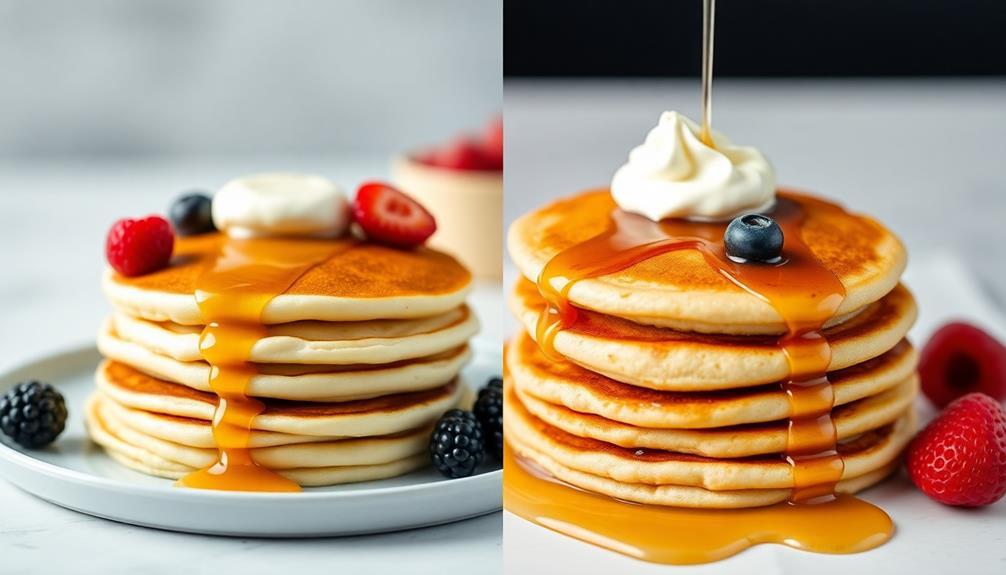
Let’s be real: pancakes are a weekend hero. But have you ever wondered why some batches turn out like fluffy clouds while others flop like sad, dense disks? The secret often lies in that tiny bottle of buttermilk sitting in your fridge. Understanding the difference between buttermilk pancakes and regular ones isn’t just a culinary geek-out—it’s a game-changer for your breakfast table. This matters because the right pancake can turn a rushed weekday into a cozy family ritual, or make Sunday brunch the highlight of the week for friends and neighbors.
First, the science is what really sets them apart. Buttermilk’s acidity reacts with baking soda to create tiny bubbles, giving you pancakes that are unbelievably light and tender. Regular pancakes, made with milk or water, rely solely on baking powder, which produces a denser, sometimes tougher texture. For families, this means buttermilk pancakes are the ones that disappear fast—kids love their pillowy softness. For individuals, it’s a small effort for a big payoff: no more dry, cakey stacks that need drowning in syrup to be edible.
Real-life examples? Think of a busy dad who wakes up early to whip up a batch before school. He grabs buttermilk from the fridge (or even a quick DIY version by adding lemon juice to milk), and suddenly the kids are fighting over the last golden-edged flapjack. Or imagine a college student hosting a low-key dorm brunch—they use buttermilk because it makes the pancakes forgiving. Even if you overmix the batter, the tangy richness of buttermilk covers up mistakes, saving your social cred. It’s a foolproof hack for beginners and pros alike.
Must Read
The flavor is where buttermilk shines. That subtle tanginess isn’t sour—it’s a gentle zing that balances the sweetness of maple syrup or fresh fruit. Regular pancakes taste neutral, which is fine, but they can feel one-dimensional. For community brunches or potlucks, buttermilk pancakes become a conversation starter. “Oh, these are buttermilk—they’re my secret,” someone says, and suddenly everyone’s swapping recipes. That little difference fosters connection, turning a simple breakfast into a shared experience.
Here’s how to apply this easily: always keep a carton of buttermilk in your fridge, or make a quick substitute by mixing 1 cup milk with 1 tablespoon vinegar or lemon juice. Let it sit for 5 minutes while you measure your flour. Pro tip: Don’t panic if the batter looks thick—buttermilk pancakes need that to hold their rise. Cook them on medium heat, and watch for bubbles forming on the surface before flipping. For a lazy Sunday, add chocolate chips or blueberries to the buttermilk batter; the acidity helps them stay suspended instead of sinking to the bottom.
 Milk Pancakes vs. Buttermilk Pancakes — What’s the Difference?
But what if you’re out of buttermilk? No sweat—just swap it for yogurt thinned with a splash of milk, or even sour cream. The key is to introduce acidity. Even a tablespoon of lemon juice in your regular milk works wonders. You’ll still get a softer, tangier result than standard recipes. That’s the beauty of buttermilk: it’s a flexible ally in your kitchen, not a rigid rule.
In the end, the difference boils down to texture, taste, and trust. Buttermilk pancakes are reliably better—they rise higher, taste richer, and make everyone at the table smile. Regular pancakes have their place (hello, quick Tuesday breakfast), but if you want to elevate a morning, grab that buttermilk. Whether you’re feeding a hungry family, surprising a friend, or treating yourself, this small switch creates memories that linger longer than the last drop of syrup. So go ahead—pour that batter, watch it sizzle, and enjoy the fluffy, tangy magic. Your breakfast world just got better.

