Difference Between Brioche And Challah Bread

If you have ever wandered through a bakery and caught yourself staring at the golden loaves, wondering which one to pick, you are not alone. Brioche and challah bread are two...

If you have ever wandered through a bakery and caught yourself staring at the golden loaves, wondering which one to pick, you are not alone. Brioche and challah bread are two of the most beloved enriched breads in the world, and they often look so similar at first glance that even seasoned home bakers confuse them. So what exactly sets them apart? Understanding the difference between brioche and challah bread matters because it helps you choose the right loaf for the right dish, impress guests at dinner, or even appreciate the cultural story behind what you are eating. Whether you are a casual bread lover or someone who enjoys baking on weekends, knowing these two breads takes your kitchen game to another level.
First off, let us talk about their origins. Brioche is a classic French bread that dates back centuries, known for its incredibly buttery and soft texture. It was once considered food for the wealthy because of the amount of butter and eggs it required. On the other hand, challah comes from Jewish tradition and is typically served on Shabbat and during holidays like Rosh Hashanah. While both are enriched doughs meaning they contain more fat and eggs than your everyday bread their cultural backgrounds give each one a unique identity. When you share a loaf of challah during a family dinner, you are not just eating bread you are connecting with a tradition that has been passed down for generations. Similarly, slicing into a fresh brioche at brunch feels like bringing a little piece of Paris into your home.
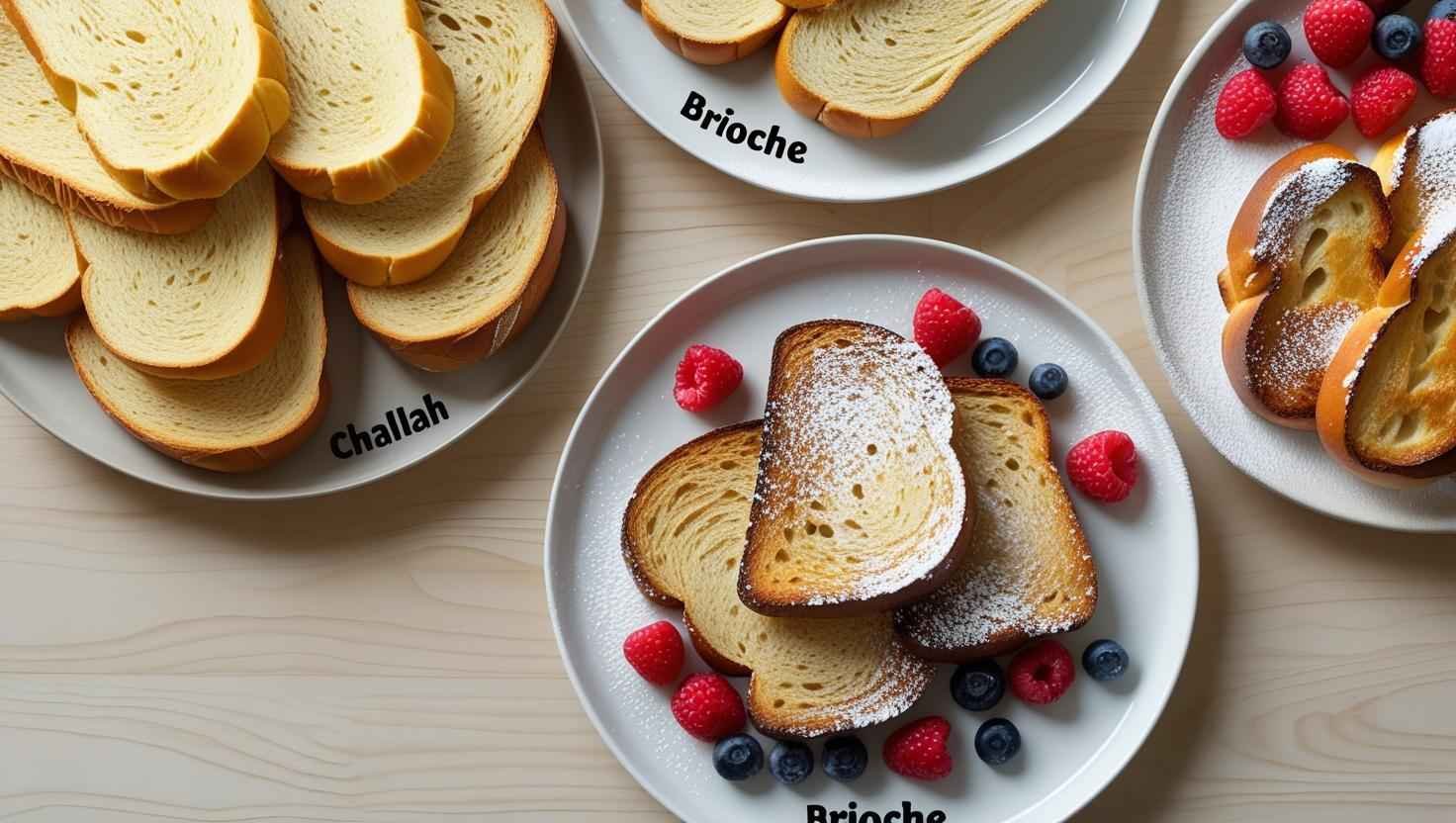
Now let us get into what really matters the ingredients and the taste. Brioche is loaded with unsalted butter, and sometimes a lot of it. Think about it some recipes call for butter that weighs as much as the flour itself. Challah, by contrast, uses water instead of butter in the dough, which makes it naturally pareve and compatible with kosher dietary laws. Eggs are a key player in both breads, but brioche tends to contain more egg yolks, giving it a rich, almost cake-like crumb. Challah uses whole eggs and often has a slightly chewy texture with a gentle sweetness from a touch of honey or sugar. This distinction means that choosing between the two can shift your entire meal. A brioche works beautifully under an eggs Benedict because its buttery softness soaks up hollandaise. But challah makes the perfect French toast base because its sturdy but tender structure holds up when soaked in the egg mixture without falling apart.
Must Read
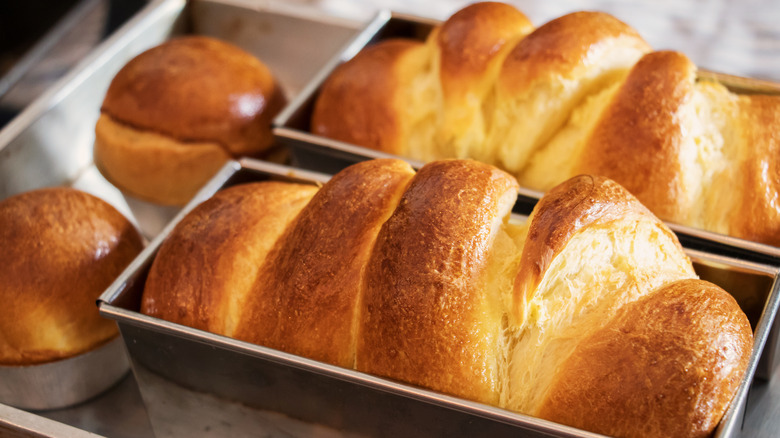
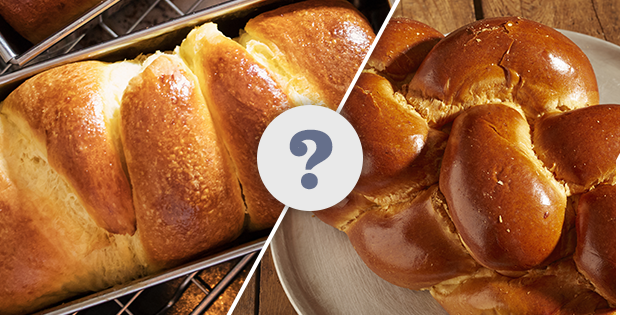
The appearance is another clue. Brioche usually comes in a simple braided shape or a tall, domed loaf with a smooth, shiny crust from an egg wash. Challah is most commonly braided with three to six strands, and the braiding technique itself carries symbolic meaning such as representing love, unity, and peace. Challah can also feature a braided topping or be rolled into round loaves for Rosh Hashanah to symbolize the cycle of the year. If you see a two-toned loaf sometimes white and poppy-seeded on top it is almost certainly challah. Brioche tends to be more uniform, pillowy, and sometimes even too soft to slice neatly. When you tear apart a warm challah at the dinner table, the strands separate in a way that is both fun and meaningful, making it a bread that invites sharing.
 What Is the Difference Between Challah and Brioche?
So how do you decide which one to use? Simple follow the occasion and the recipe recommendation. If you are making French toast sandwiches, a burger bun, or something pastry-like, brioche is your best friend because of its sweet, buttery crumb. For savory dishes like stuffing, impressive braided braids at holiday meals, or classic Shabbat dinner, challah is the go-to. A practical tip for home bakers is to start with challah if you are new to enriched breads because it does not require chilling the dough overnight like brioche often does. And if you ever cannot find one at the store, many bakers say they are emergency substitutes for each other especially in French toast recipes. An easy weekend exercise is to bake one loaf of challah and one small brioche, then taste them side by side. You will immediately notice the buttery richness of brioche compared to the lighter, egg-forward chew of challah.
In the end, neither bread is better than the other they are simply different expressions of what enriched dough can be. Knowing the difference empowers you to cook with more confidence, pass on family traditions, and enjoy bread the way it was meant to be enjoyed: in good company. So the next time you stand in that bakery aisle, you will know exactly which golden loaf to reach for and why it matters most on your table.