Difference Between Blue Cheese And Gorgonzola

Welcome to the wonderfully weird world of blue-veined cheeses—where a little bit of mold isn’t just okay, it’s the whole point. If you’ve ever stood in the cheese aisle, stari...
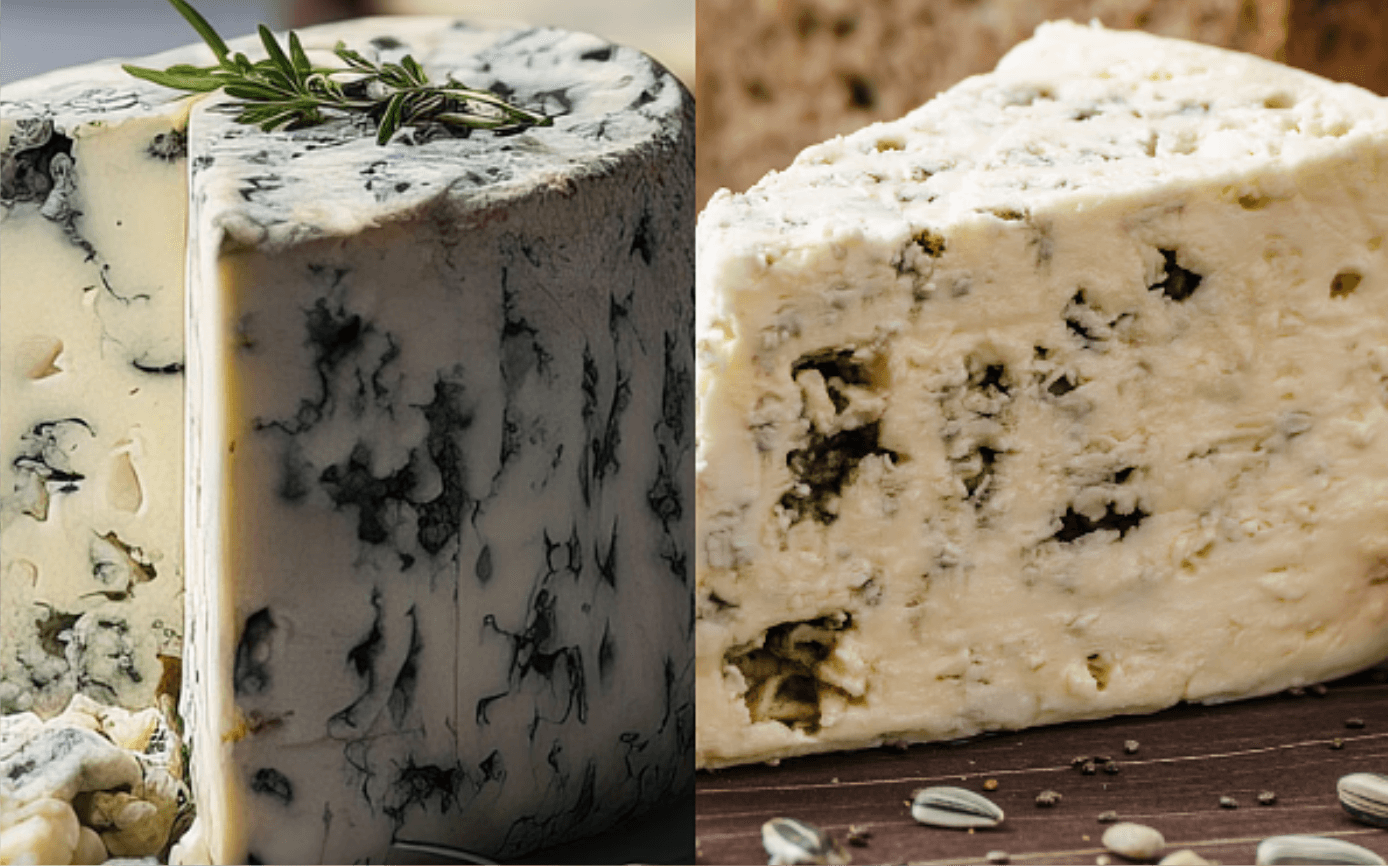
Welcome to the wonderfully weird world of blue-veined cheeses—where a little bit of mold isn’t just okay, it’s the whole point. If you’ve ever stood in the cheese aisle, staring at a wedge of Gorgonzola next to a chunk of general “blue cheese,” wondering what the difference actually is, you’re in for a treat. This isn’t a stuffy food-science lecture; it’s a delicious detective story. By the end, you’ll not only sound like a connoisseur at your next dinner party, but you’ll also know exactly which cheese to grab for your salad, your sauce, or your dessert plate. The advantage? No more guessing games—just pure, creamy, crumbly confidence.
Let’s start by clearing up the biggest confusion: Gorgonzola is a blue cheese, but not all blue cheese is Gorgonzola. Think of it like the relationship between champagne and sparkling wine. All blue cheeses are made with Penicillium mold cultures that create those signature blue or green veins, but Gorgonzola is a specific, protected variety from Italy’s Piedmont and Lombardy regions. While a generic “blue cheese” could come from Denmark, France, or Ohio, Gorgonzola has a legal pedigree. Its difference lies in its terroir, its specific mold strain, and its dual-personality aging process. One is a global family; the other is a proud, passport-carrying member of that family.
Now, let’s talk texture and taste, because this is where things get mouthwatering. Gorgonzola comes in two distinct styles: dolce (sweet) and piccante (sharp). Imagine the dolce as the friend who gives great hugs—it’s soft, almost spreadable, with a buttery sweetness and mild, creamy tang. The piccante, meanwhile, is the wise old sage—crumbly, firmer, and packing a punchy, earthy, nutty bite. A generic blue cheese, like a Danish Blue or Roquefort, tends to be saltier, more crumbly, and aggressively piquant. For example, crumble a wedge of generic blue cheese over a wedge salad, and it screams “I’m here!” But a dollop of Gorgonzola dolce melted into a risotto? That’s a whisper of sophisticated luxury that coats your tongue without overwhelming the dish.
Must Read
Here’s a creative way to remember the difference: Gorgonzola is the chameleon of the blue cheese world. You can pair it with honey and pears for a dessert that rivals chocolate cake. Slather it on a hot, crusty slice of pizza right out of the oven, and it melts into a pool of tangy, buttery heaven. Generic blue cheese, on the other hand, is the bold boss—it demands to be noticed. It’s the star of a buffalo wing dip, the king of a crumbled steak topper, and the life of the party in a tangy dressing. A fun experiment? Take a bite of Gorgonzola dolce raw (it’s mild enough for skeptics), then a bite of a strong Roquefort. Notice how Gorgonzola’s veins are less uniform and its texture more paste-like? That’s the secret of its Italian heritage—it’s aged in caves with specific humidity, creating a softer, more nuanced crumb.
Practical advice for the adventurous eater: If you’re new to blue cheese, start with Gorgonzola dolce. It’s the training wheels flavor—gentle, sweet, and approachable. Crumble it into a warm pasta or spread it on a cracker with fig jam. For the bold, go straight for Gorgonzola piccante or a Danish Blue. Pro tip: Always take blue cheese out of the fridge 20 minutes before serving to let its aromas bloom. And never cook Gorgonzola for too long; high heat can turn it bitter. Instead, stir it in at the very end of a sauce, off the heat. For generic blue cheese, use it in cold applications like dressings or dips, where its saltiness can shine without competition.
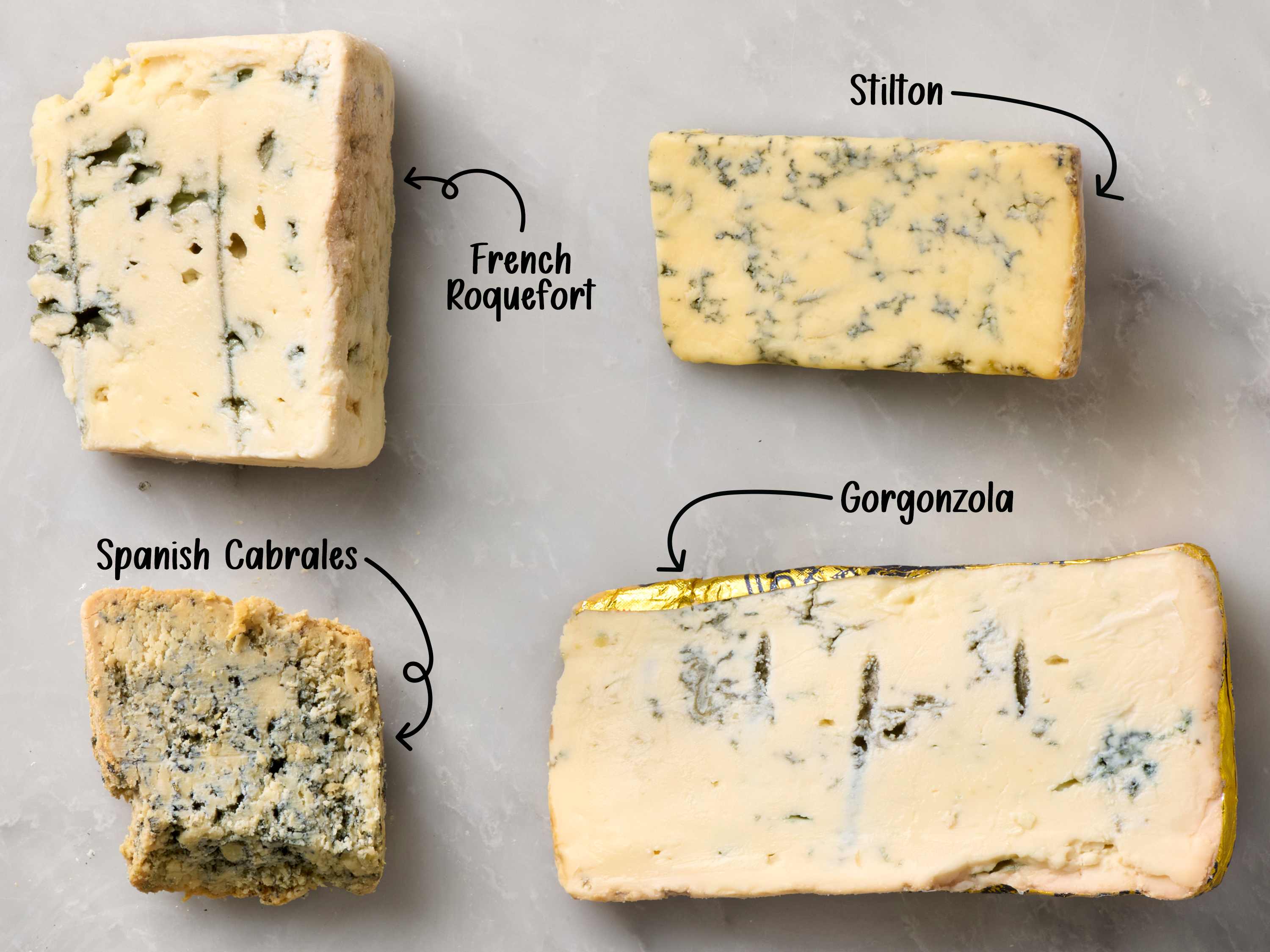 Difference Between Gorgonzola And Gorgonzola Dolce
What about buying and storing? This is where the difference matters most. Gorgonzola is delicate—it’s about 50% moisture, so it spoils faster. Wrap it loosely in wax paper, then in plastic wrap, and eat it within a week. Generic blue cheeses are often firmer and saltier, meaning they can last up to three weeks. A fun party trick: Create a cheese board with one wedge of Gorgonzola (dolce on one side, piccante on the other) and one wedge of a stowaway like Stilton. Challenge your guests to identify the “Italian” versus the “British” blue—the sweetness and creaminess of the Gorgonzola will be a dead giveaway.
Ultimately, the difference isn’t about better or worse—it’s about knowing your tools. Gorgonzola is the velvet glove of the blue cheese family, perfect for elegant pastas, dessert pairings with sweet wine, or just eating with a spoon when nobody’s looking. Generic blue cheese is the brass knuckles—perfect for when you want a flavor wallop. So next time you’re shopping, don’t be intimidated. Pick the Gorgonzola for a romantic risotto night, and grab a chunk of crumbly blue for game-day nachos. Both are gateways to greatness, and now you’re the one holding the key. Enjoy the delicious journey!
