Difference Between Banana Peppers And Pepperoncinis

Welcome, pizza lovers, salad builders, and pickling enthusiasts! Have you ever stood in the grocery store aisle, utterly baffled by two pale yellow, curved peppers staring at...

Welcome, pizza lovers, salad builders, and pickling enthusiasts! Have you ever stood in the grocery store aisle, utterly baffled by two pale yellow, curved peppers staring at you from their jars? You’re not alone. The great banana pepper versus pepperoncini debate is a deliciously confusing puzzle. But here’s the fun part: once you learn to tell them apart, you unlock a secret superpower. You will never accidentally make your sandwich too spicy or too sour again. This article is your cheat sheet. By the end, you’ll be able to spot the difference at a glance, impress your friends with trivia, and, most importantly, choose the perfect pepper for every meal. The advantage? more flavorful food with zero guesswork!
Let’s start with the origin story. Both peppers belong to the same species, Capsicum annuum, but they are different varieties with distinct passports. Banana peppers—whose real name is the Hungarian wax pepper—are the chameleons of the pepper world. They can be sweet, tangy, or even mildly hot, depending on when they’re picked. Pepperoncinis, on the other hand, are the more refined Italian cousins, often called Greek golden peppers or friarielli. They travel from Greece or Italy to your table. Think of banana peppers as the cheerful, slightly unpredictable friend; pepperoncinis are the sophisticated, consistent relative who always brings a perfectly balanced brine to the party.
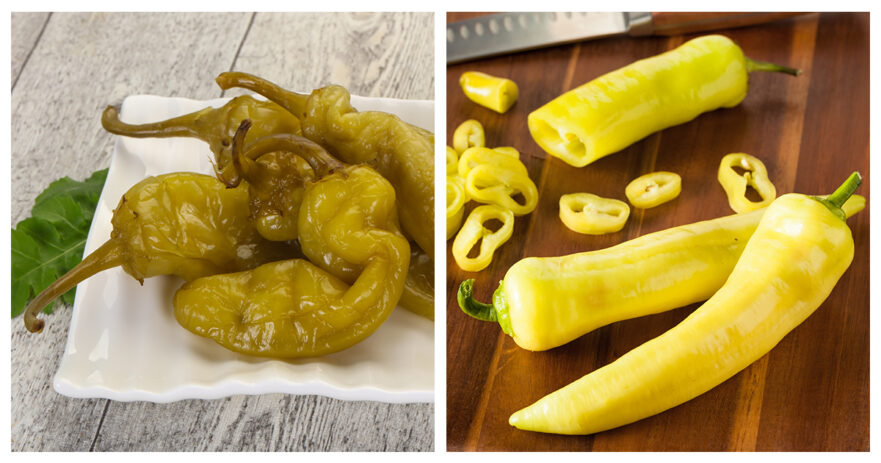
Now, the visual test is your best friend. Grab a jar and look closely. Banana peppers are generally longer and more slender, sometimes curling into a slight hook. Their skin is waxy and smooth, and their color ranges from pale yellow to a deeper, almost orange-yellow. Pepperoncinis? They are shorter, stubbier, and wrinkled, like a little accordion. They have a distinct bumpy texture and almost always have a small stem stub still attached. If you see a pepper that looks like it’s been working out at the gym and then gave up halfway—short, squat, and wrinkly—that’s a pepperoncini. If you see a long, smooth, elegant dancer, it’s a banana pepper.
Must Read
Here’s where the flavor fireworks happen. This is the most critical difference. Banana peppers are mild to medium in heat, usually around 0–500 Scoville units. That’s barely a tickle. But their secret weapon is their tangy crunch. They’re pickled in a sweet vinegar solution, which gives them a bright, zesty pop. They taste like a party in a jar. Pepperoncinis, however, are even milder (0–100 Scoville) but pack a wallop of briny, salty, slightly bitter complexity. Their brine is less sweet and more savory, with notes of oregano and garlic. Imagine the difference between a salty green olive (pepperoncini) and a sweet, crunchy pickle (banana pepper). Yes—they are that different.
Creative uses? This is where you become a genius. For sandwiches and subs, choose pepperoncinis if you want a savory, salty kick that blends with meats like Italian beef or roast turkey. Their brine adds depth. For pizzas and antipasto platters, banana peppers reign supreme. Their sweet, bright crunch cuts through fatty cheese and pepperoni perfectly. Try this wild experiment: stuff a banana pepper with cream cheese and prosciutto for an appetizer that’s sweet, creamy, and salty. For a pepperoncini twist, chop them into a Greek salad with feta, olives, and a drizzle of lemon juice. The contrast is stunning—one is a sweet pop, the other a savory punch.
 Pepperoncini VS Banana pepper: How Are They Different? | HolisticWow
Let’s talk heat and ripening—a fun party trick. Both peppers turn red when fully ripe, but this changes everything. A red banana pepper is sweet and almost like a bell pepper; a red pepperoncini becomes bitter and unpleasantly sour. So, if you see a red one in a jar, it’s almost certainly a banana pepper. Also, here’s a pro tip: if you want actual spice, avoid both. Neither is truly hot. If you want heat, reach for a sport pepper (that’s the little green firecracker on Chicago-style hot dogs). But if you want flavor without fire, these two are your best friends. Just remember: banana = sweet tang, pepperoncini = salty brine.
Finally, practical advice for your next grocery run. First, always read the jar label. If it says “sweet banana peppers” or “Hungarian wax,” you’re in sweet territory. If it says “pepperoncinis” or “Greek peppers,” you’re getting brine. Second, taste one from the jar before adding it to your dish—brands vary wildly. Some banana peppers are shockingly sour; some pepperoncinis are oddly sweet. Third, the brine itself is gold. Don’t throw it away! Use banana pepper brine in salad dressings, or pepperoncini brine to marinate chicken for a zesty, tender result. Lastly, if you’re hosting a party, serve both on a platter and let guests debate the difference. It’s a conversation starter that’s deliciously educational. Now go forth, grab a fork, and explore the wonderful, wavy, wrinkly world of mild peppers!