Difference Between Bakers Sugar And Granulated Sugar

Welcome, bakers and sugar enthusiasts! Have you ever stood in the baking aisle, staring at two bags of what look like identical white crystals—one labeled "Baker's Sugar" and...

Welcome, bakers and sugar enthusiasts! Have you ever stood in the baking aisle, staring at two bags of what look like identical white crystals—one labeled "Baker's Sugar" and the other simply "Granulated Sugar"—and wondered, why does this even matter? You are not alone, and the answer is more fun than you might think. Understanding this tiny difference is like unlocking a secret level in your favorite video game: it turns good cookies into perfectly tender cakes and eliminates those gritty, disappointing textures in frostings. The purpose here isn't to complicate your life, but to give you a simple, powerful tool that makes your baking smoother, fluffier, and more professional. By the end of this article, you will see sugar in an entirely new, delicious light.
So, what is the core difference? It all comes down to particle size. Granulated sugar, your everyday white sugar, has relatively large, sharp crystals. Baker's sugar, sometimes called superfine sugar or castor sugar, is simply granulated sugar that has been ground into much finer crystals—almost like a very soft sand. Think of it as the difference between coarse gravel and fine beach sand. Because baker's sugar dissolves so much faster, it performs magic in recipes where granulated sugar might leave you with a weird, crunchy residue. That is its superpower: speed of dissolution. This means it incorporates more seamlessly into butter for creaming, creating a lighter, more aerated batter that rises higher. For cold mixtures like meringues or no-bake cheesecakes, it is absolutely critical—you don't want to be chewing on sugar crystals!
Let’s get creative with a few tasty examples. Imagine you are making a lemon meringue pie. The meringue topping is notoriously finicky. If you use regular granulated sugar, you risk a gritty meringue that weeps sad, sugary tears. But swap in baker's sugar, and the crystals dissolve instantly into the egg whites, giving you a silky, stable, and glossy cloud of perfection. Now picture a batch of strawberry shortcakes in the summer. If you sprinkle regular sugar over fresh, cold berries, it takes forever to dissolve and create syrupy juice. Baker's sugar? Within minutes, your berries are swimming in a sweet, ruby-red pool, ready to be spooned over warm biscuits. For a truly fun hack, try it in cocktails or iced coffee—because it dissolves so fast, you’ll never fish a gritty spoonful of sugar from the bottom of your glass! It’s the secret to a perfectly sweetened mint julep or a refreshing cold brew latte.
Must Read
Now, here is the best practical advice: you do not need to buy a separate bag of baker's sugar if you own a food processor or a clean coffee grinder. This is the "make-it-at-home" advantage that saves money and storage space. Simply measure out the amount of regular granulated sugar your recipe calls for, pour it into your food processor, and pulse it for about 30 seconds to one minute. Voilà—you have instant baker's sugar! A word of caution: let the dust settle before opening the lid, or you’ll breathe in a sweet cloud. For a fun, aromatic twist, you can add a vanilla bean pod or a cinnamon stick to the sugar while grinding; this infuses the fine crystals with flavor, creating your own custom baking sugar for frostings and dustings.
When should you never use baker's sugar? This is crucial. Avoid it in recipes where you want structural crunch, like the crackly top of a crème brûlée or the satisfying snap of a biscotti. In those cases, the larger crystals of granulated sugar are essential for texture and caramelization. Also, if you are making a simple cookie dough that relies on the air-trapping ability of sharp granulated crystals, stick with the original. Baker's sugar, because it’s so fine, can sometimes lead to a denser cookie if the recipe isn't designed for it. The golden rule: use baker's sugar where smoothness and quick dissolution matter—frostings, meringues, cold drinks, and delicate cakes. Use granulated sugar where you want texture and structural integrity.
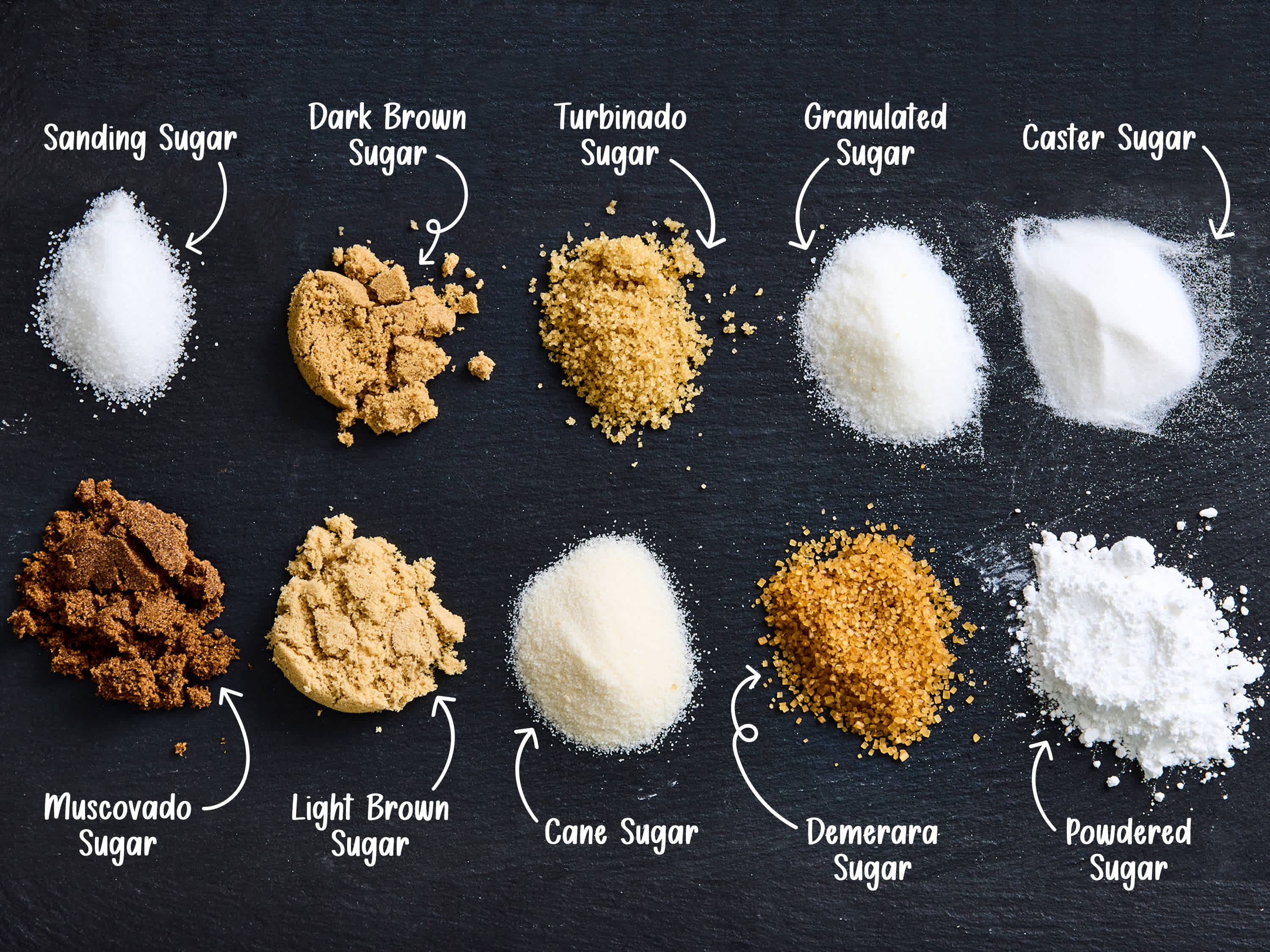 Granulated Sugar Vs Caster Sugar What Is Caster Sugar And How To Make
Here is a quick tip for your next baking adventure: if a cake recipe calls for granulated sugar and you want an even lighter, more tender crumb, replace half of the granulated sugar with baker's sugar. This is a professional baker’s trick to balance aeration with tenderness. Similarly, when making a simple syrup for cocktails or glazes, baker's sugar dissolves almost instantly in room-temperature water, saving you the step of heating the mixture. For a fun party trick: dust baker's sugar over fresh fruit (like sliced peaches or raspberries) five minutes before serving—it creates a delicate, shimmering coating called a "snow" that looks beautiful and tastes ethereal.
In the end, the difference between baker’s sugar and granulated sugar is not about which one is better—it’s about choosing the right tool for the job. Granulated sugar is your reliable, all-purpose champion. Baker’s sugar is your specialist, your precision instrument for achieving silky textures and quick results. Embrace both, and you’ll transform your baking from good to glorious. So next time you see that bag of baker’s sugar (or make your own in ten seconds), smile and know you’ve just leveled up your sugar game. Happy baking, and may your frostings always be smooth!

