Difference Between Baby Spinach And Spinach

There is something surprisingly delightful about understanding the food we eat. Spinach is one of the most versatile and beloved greens in kitchens around the world, yet most...
There is something surprisingly delightful about understanding the food we eat. Spinach is one of the most versatile and beloved greens in kitchens around the world, yet most people don't realize there are different types of it sitting right next to each other at the grocery store. Whether you are a home cook planning a weekday dinner, a parent picking the right veggies for your family, or simply a curious shopper, knowing the difference between baby spinach and regular spinach can genuinely improve your meals and your shopping experience.
At its core, the purpose of this comparison is simple: helping you choose the right spinach for the right dish. Both types pack an impressive amount of nutrients like iron, fiber, and vitamins A and C, so you are never sacrificing health either way. However, understanding their differences makes cooking more intuitive. Parents benefit because they can pick the milder, softer leaves for kids who resist greens, while seasoned cooks benefit from knowing which type holds up better in a hot pan or a creamy gratin.
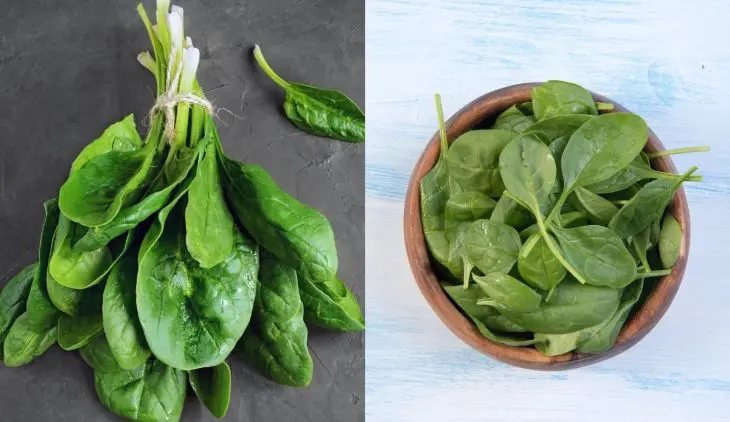
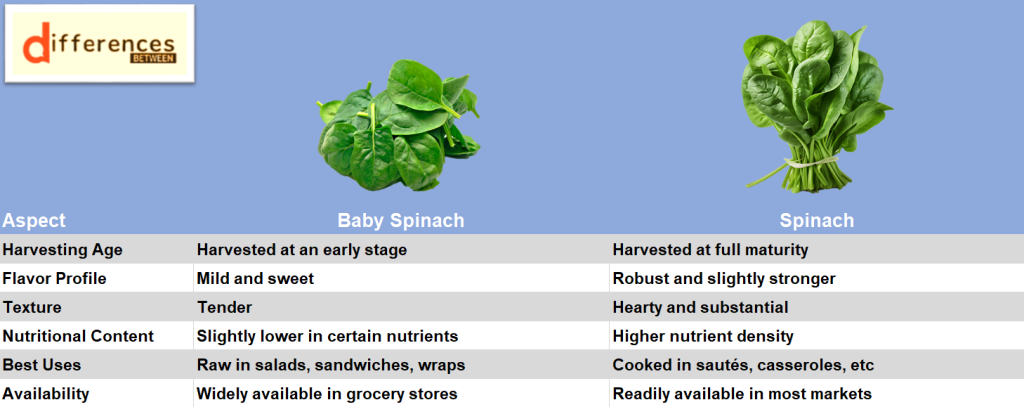
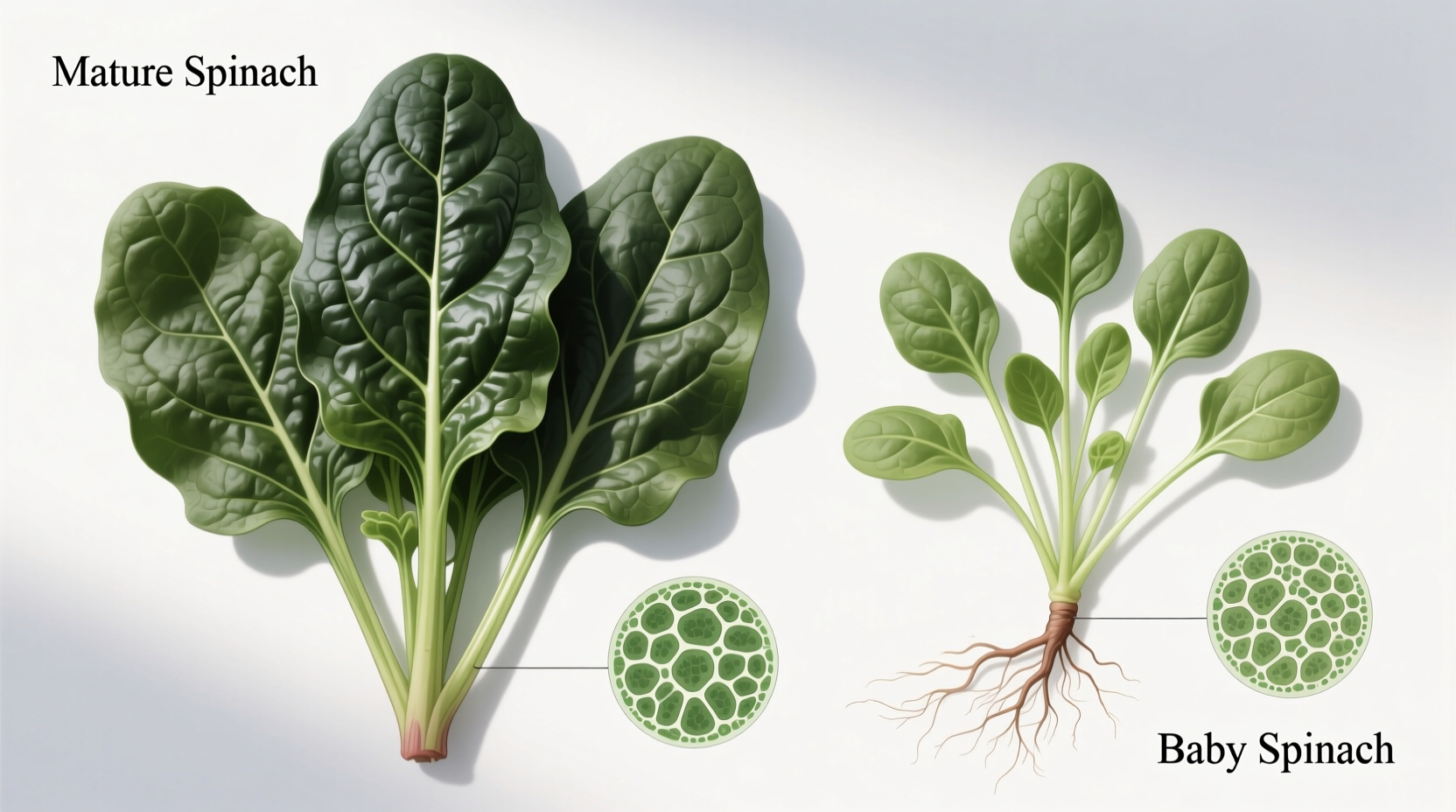
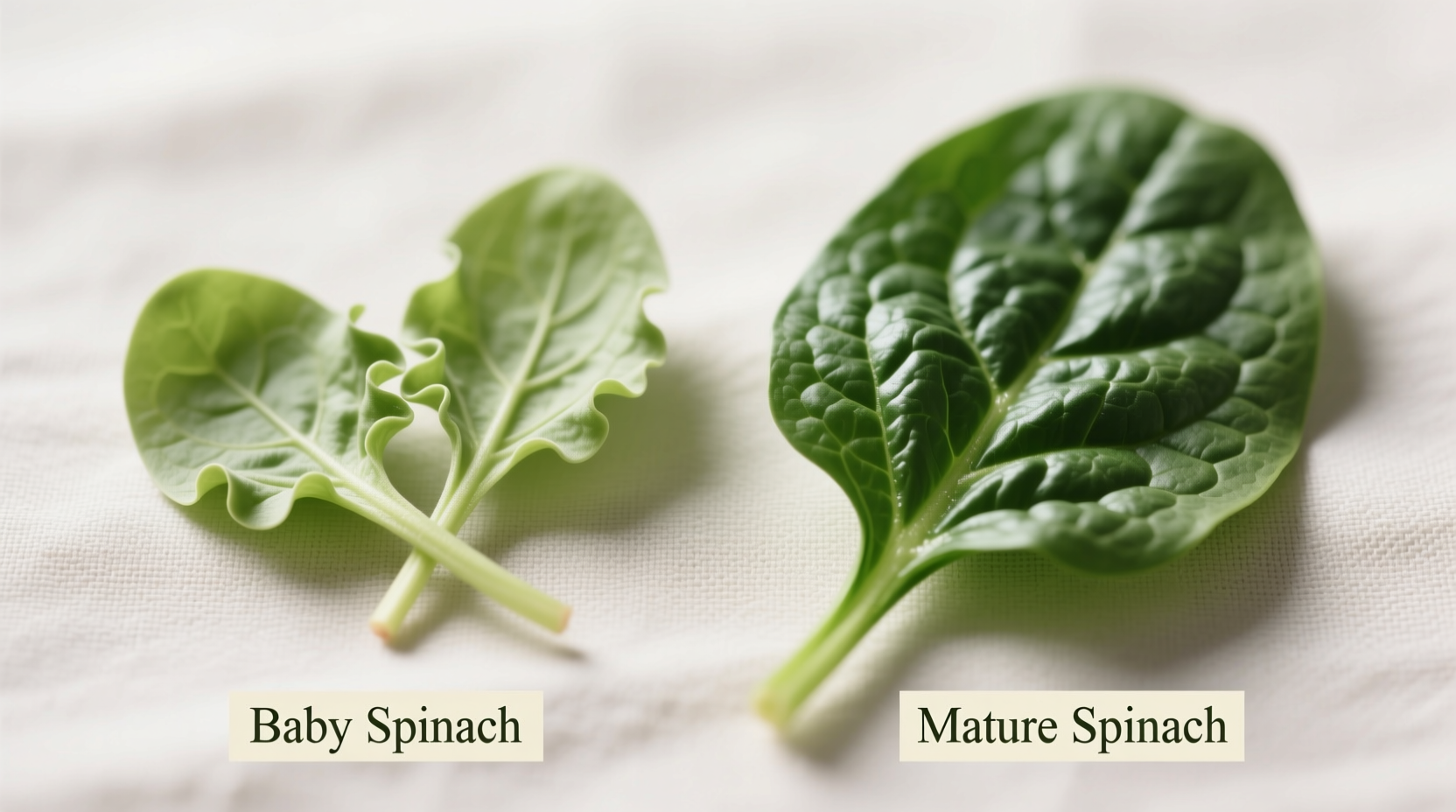
The most obvious difference lies in size and texture. Baby spinach is harvested when the plant is still young, producing small, tender leaves that are smooth and slightly delicate. Regular spinach, sometimes called mature spinach, grows much larger with thicker, sturdier stems and a more robust leaf structure. If you have ever opened two plastic tubs of greens side by side, you have probably noticed that one has tiny uniform leaves while the other looks like it belongs in a rustic garden.
Must Read
Flavor is where things get really interesting. Baby spinach has a mild, almost sweet taste with barely any bitterness, which is why it shines in raw preparations like salads and smoothies. Regular spinach, on the other hand, carries a more pronounced earthy flavor and can be slightly bitter before cooking. When heat transforms mature spinach, that bitterness mellows into something rich and savory — perfect for saag, creamed spinach, or a classic spinach quiche. Think about a simple arugula-style salad versus a heavy winter soup; the choice of green sets the entire tone.
Health-wise, both types are outstanding, but cooking method matters. Mature spinach can release more of its stored nutrients when lightly steamed, making certain vitamins more bioavailable. Baby spinach is often consumed raw, which preserves water-soluble vitamins in their natural form. So rather than asking which one is healthier, consider what your body needs from the meal you are preparing. A quick tip: if you plan to eat greens raw, reach for baby spinach; if you are cooking them down, mature spinach will give you better yield and flavor depth.
 Baby Spinach vs Spinach: Key Differences Explained
Getting started is effortless. Pros recommend keeping both varieties on hand when possible — grab a bag of baby spinach for quick salads, smoothies, and sandwiches, and pick up a bunch of mature spinach whenever recipes call for cooked greens. Wash them gently under cool water, spin them dry, and store in a cloth-lined container to maximize freshness. A practical habit is to toss a handful of baby spinach into eggs each morning and wilt a handful of mature spinach into pasta sauce at night for effortless nutritious balance.
In the end, the difference between baby spinach and spinach is less about competition and more about having the right tool for each culinary moment. Once you start noticing these subtle distinctions, every grocery trip becomes a little more informed and every meal a little more intentional. So the next time you stand at the greens section, smile — knowing exactly which one your recipe deserves.