Difference Between Alfredo And Cacio E Pepe

So, you’re standing in the pasta aisle, or maybe scrolling through a recipe app, and you see two creamy, dreamy, cheese-laden sauces: Alfredo and Cacio e Pepe. They look simil...
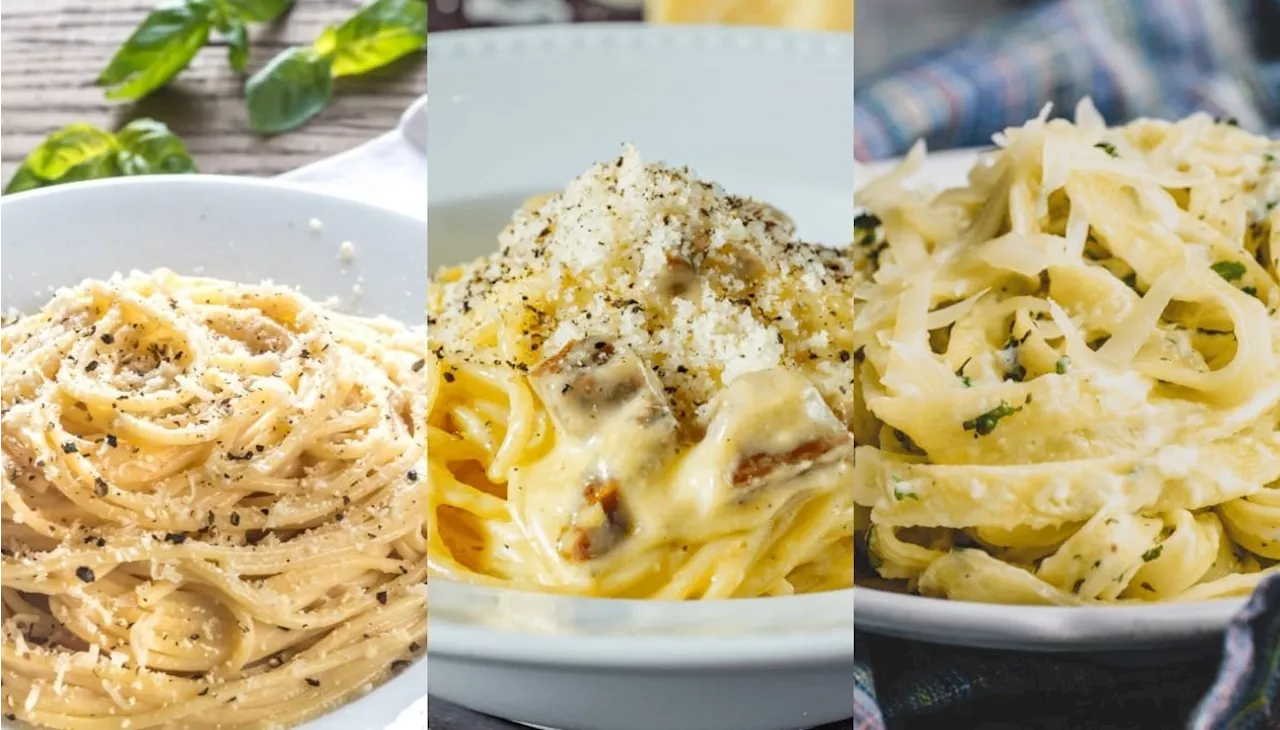
So, you’re standing in the pasta aisle, or maybe scrolling through a recipe app, and you see two creamy, dreamy, cheese-laden sauces: Alfredo and Cacio e Pepe. They look similar—a tangle of noodles, a dusting of cheese—but trust me, these two are like distant cousins who met once at a family reunion and have very different life philosophies. Let’s break it down, shall we? And yes, we’ll have fun doing it.
First up, Alfredo. Ah, Alfredo. If pasta sauces had a personality, Alfredo would be the extravagant friend who shows up to brunch in a sequin dress and orders the most decadent pancakes. It’s rich, it’s buttery, and it’s basically a warm hug made of heavy cream, Parmesan, and lots of butter. The classic story goes that Roman restaurateur Alfredo di Lelio invented it for his wife, who had lost her appetite after childbirth. (Because nothing says “I love you” like a vat of cream, right?) But the version most of us know—loaded with cream—is actually an American invention. True Italian Alfredo is just butter and Parmesan, but across the pond, we said, “Let’s add a whole pint of heavy cream and call it dinner.” And honestly? No regrets. It’s the sauce you crave when you’re feeling a little extra, or when the weather is gray and you need some serious comfort.
Now, enter Cacio e Pepe. Say it with me: KAH-choh eh PEH-peh. This is the minimalist of the pasta world—a Zen master in a bowl. It’s just four ingredients: pasta, pecorino Romano cheese (not Parmesan, pecorino), black pepper, and pasta water. No cream. No butter (well, sometimes a tiny dab, but don’t tell the purists). The magic here is emulsification—you toss the hot pasta with the cheese and starchy water to create a silky, creamy sauce without a drop of dairy. It’s spicy, salty, and surprisingly light for how indulgent it tastes. Cacio e Pepe is the friend who says, “We don’t need a fancy party; let’s just sit on the porch with a glass of wine and watch the sunset.” It’s ancient, Roman, and humble. And if you mess up the emulsion? You get a clumpy, stringy mess. No pressure.
Must Read
So what’s the big difference? It’s all about attitude and ingredients. Alfredo relies on cream and butter for its luxurious texture; it’s a sauce that demands attention. Cacio e Pepe relies on technique and peppery bite; it’s a sauce that earns its stripes. Alfredo is the pasta version of a cashmere blanket; Cacio e Pepe is that perfectly worn-in linen shirt. One is for when you want to feel pampered, the other is for when you want to feel clever—like you’ve unlocked a secret culinary skill with just a few simple moves.
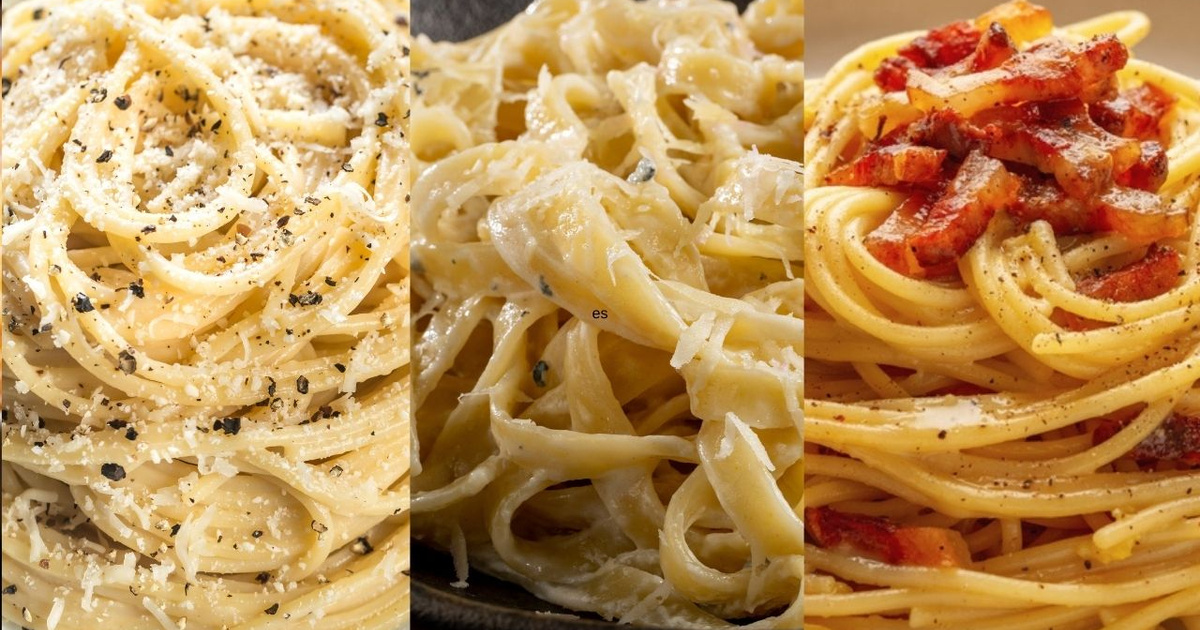 Clássicos da culinária italiana: aprenda como fazer macarrão Cacio e
And here’s the kicker: you can love both. There’s no pasta sauce loyalty oath. I’ve had nights when only Alfredo would do—usually after a long week, with a side of garlic bread and zero apologies. And I’ve had nights when Cacio e Pepe felt like meditation on a plate—just me, a pan, and a pepper grinder. The beauty is that these two sauces teach us something about life: Sometimes you need richness; sometimes you need simplicity. Both are valid.
So next time you’re at the stove, remember: Alfredo is the warm, buttery hug you deserve, and Cacio e Pepe is the quiet, spicy victory lap you’ve earned. Pick your mood, grab your pasta, and savor the delicious chaos of it all. Because at the end of the day, whether it’s a creamy cloud or a peppery passion project, you’re eating carbs with cheese. And that, my friend, is always a reason to smile.
