Definition Of Whip In Cooking

There’s something almost magical about watching a liquid transform into a cloud. That’s the heart of whipping in cooking—a simple technique that brings air, volume, and a drea...
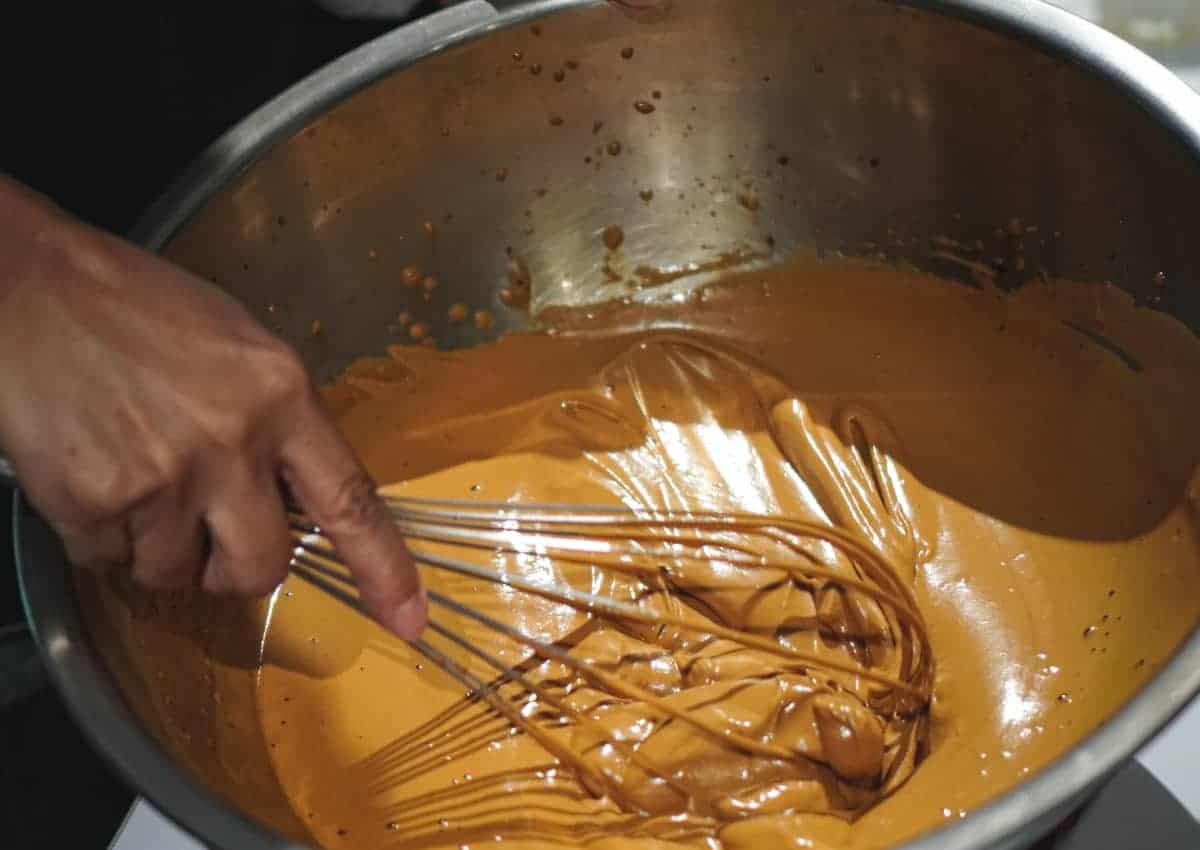
There’s something almost magical about watching a liquid transform into a cloud. That’s the heart of whipping in cooking—a simple technique that brings air, volume, and a dreamy texture to everything from desserts to savory sauces. It’s one of those practical kitchen skills that feels like a small superpower: with just a whisk or a mixer, you can turn cream into billowy peaks, egg whites into a stiff meringue, or vinaigrette into a silky emulsion. Whether you’re a weekend baker or someone who just loves a fluffy omelet, understanding what whip means unlocks a world of light, airy goodness. The real joy is that it’s easy to learn and immediately satisfying—no fancy equipment required.
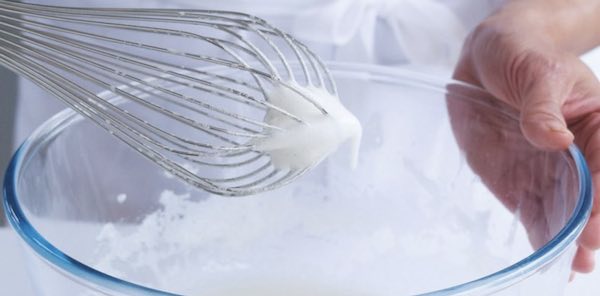
At its core, whipping is the process of rapidly incorporating air into a liquid or semi-liquid ingredient. This mechanical action traps tiny air bubbles, which stretch the mixture’s structure. The result? A dramatic increase in volume and a completely new, often ethereal texture. The main purpose is to change consistency—think of heavy cream turning into whipped cream for a berry shortcake, or egg whites leaping into a stiff foam for a light-as-air soufflé. For busy home cooks, it’s a fast way to elevate everyday dishes: a dollop of freshly whipped cream on morning pancakes, or a creamy, airy hollandaise over poached eggs. The technique saves time (at least with an electric mixer), but the payoff feels gourmet.
You’ve likely encountered a few classic variations. Heavy cream whips into soft peaks for topping pies, or stiffer peaks for piping onto cupcakes. Egg whites require more patience—a squeaky-clean bowl is key—but reward you with a glossy, stable foam for meringues or angel food cake. Then there’s emulsified whipping, like in mayonnaise or vinaigrette, where oil is slowly whisked into vinegar or egg yolks to create a thick, creamy sauce. Even butter is sometimes whipped (with air, not heat) to make it spreadable and fluffy. Each variation shares the same core principle: speed and movement create transformation.
Must Read
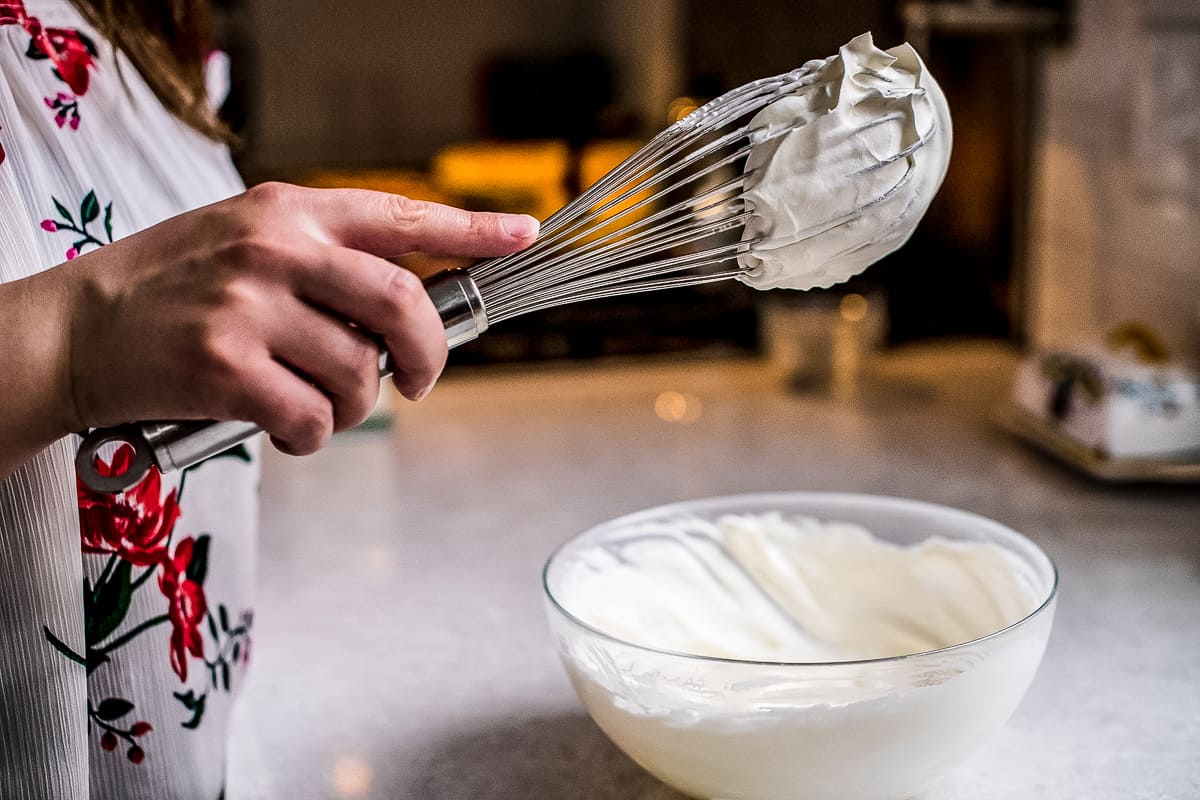
To get started, you don’t need a professional stand mixer—a good old-fashioned balloon whisk and a bowl will do. The most common beginner tip: chill everything. For whipping cream, cold cream and a cold bowl ensure the fat stays stable and traps air better. For egg whites, room-temperature whites whip up higher, but make sure no yolk (or grease) sneaks in—fat is the enemy of foam. Start slowly to avoid splashing, then increase speed as the mixture thickens. A simple test: lift the whisk; if the mixture forms soft, droopy peaks, you’ve got soft peaks. For stiff peaks, keep going until the peaks stand upright without collapsing. Stop immediately to avoid turning cream into butter or egg whites into dry, grainy foam.
A common pitfall for beginners is overwhipping. It’s tempting to keep going for extra volume, but there’s a fine line between pillowy clouds and a lumpy, curdled mess. Watch carefully: once the mixture loses its glossy shine and looks a bit separated, you’ve gone too far. If you accidentally overwhip cream, you can sometimes rescue it by adding a tablespoon of fresh cold cream and gently folding it in. For savory applications, like whipped butter or aiolis, a splash of lemon juice or water can help re-emulsify. The best practice is to stop early—you can always whisk a few more seconds by hand to reach perfection.
 How To Whip Half And Half Into Cream - Recipes.net
The beauty of whipping is that it makes everyday cooking more fun and impressive. You can whip up a quick chocolate mousse in ten minutes, turn leftover egg whites into a crispy pavlova, or dress up a simple salad with a creamy, herb-flecked vinaigrette. It’s a technique that doesn’t require a recipe—once you know how to whip, you’ll find endless uses. For a savory kick, try whipping ricotta with a pinch of salt and herbs for a fluffy dip. For a healthier twist, whip chilled coconut cream into a dairy-free topping. The only limit is your willingness to move your arm (or press the mixer button).
So, if you’ve never really thought about whipping beyond a can of spray cream, now’s the time to grab a bowl and a whisk. It’s a low-friction skill with high rewards: you’ll feel like a pro, your food will taste lighter and more luxurious, and you’ll discover a simple joy in turning liquid into air. Whether you’re making dessert, a silky sauce, or just a fluffier breakfast, whipping is one of those essential techniques that makes cooking feel like play. Go on—give it a whirl.