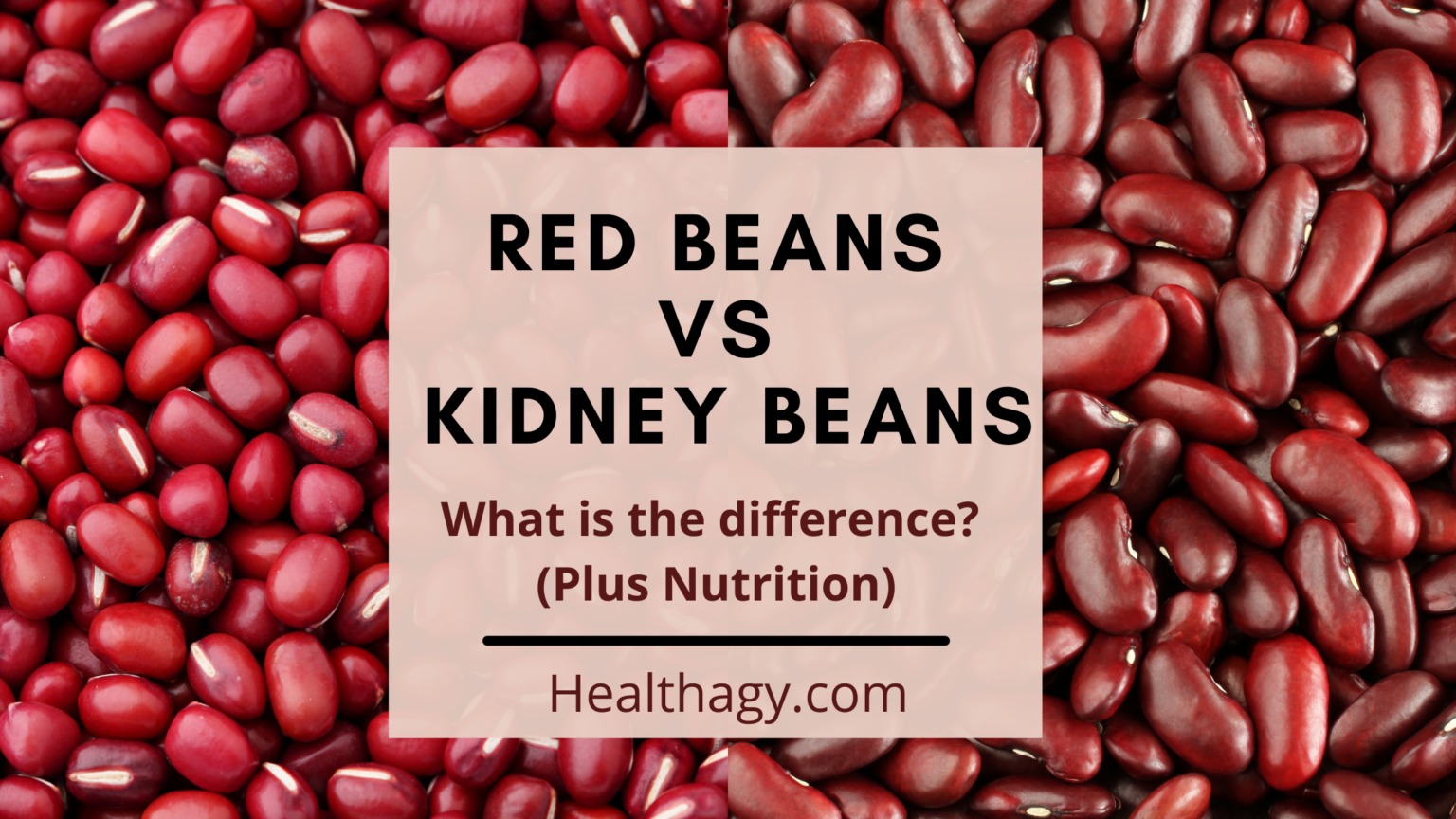
Dark Vs Light Red Kidney Beans

There’s something genuinely satisfying about delving into the simple, practical details of everyday ingredients, and the friendly rivalry between dark and light red kidney bea...
There’s something genuinely satisfying about delving into the simple, practical details of everyday ingredients, and the friendly rivalry between dark and light red kidney beans is a perfect example. It’s a topic that feels both humble and surprisingly rich, because it directly impacts the taste and texture of your favorite chili, soup, or rice dish. Whether you’re a seasoned home cook or just starting to explore plant-based meals, understanding this subtle difference is a small knowledge shift that yields big results. The main purpose here is to help you choose the right bean for the right job, ensuring your meals come out exactly as you intended, every single time.
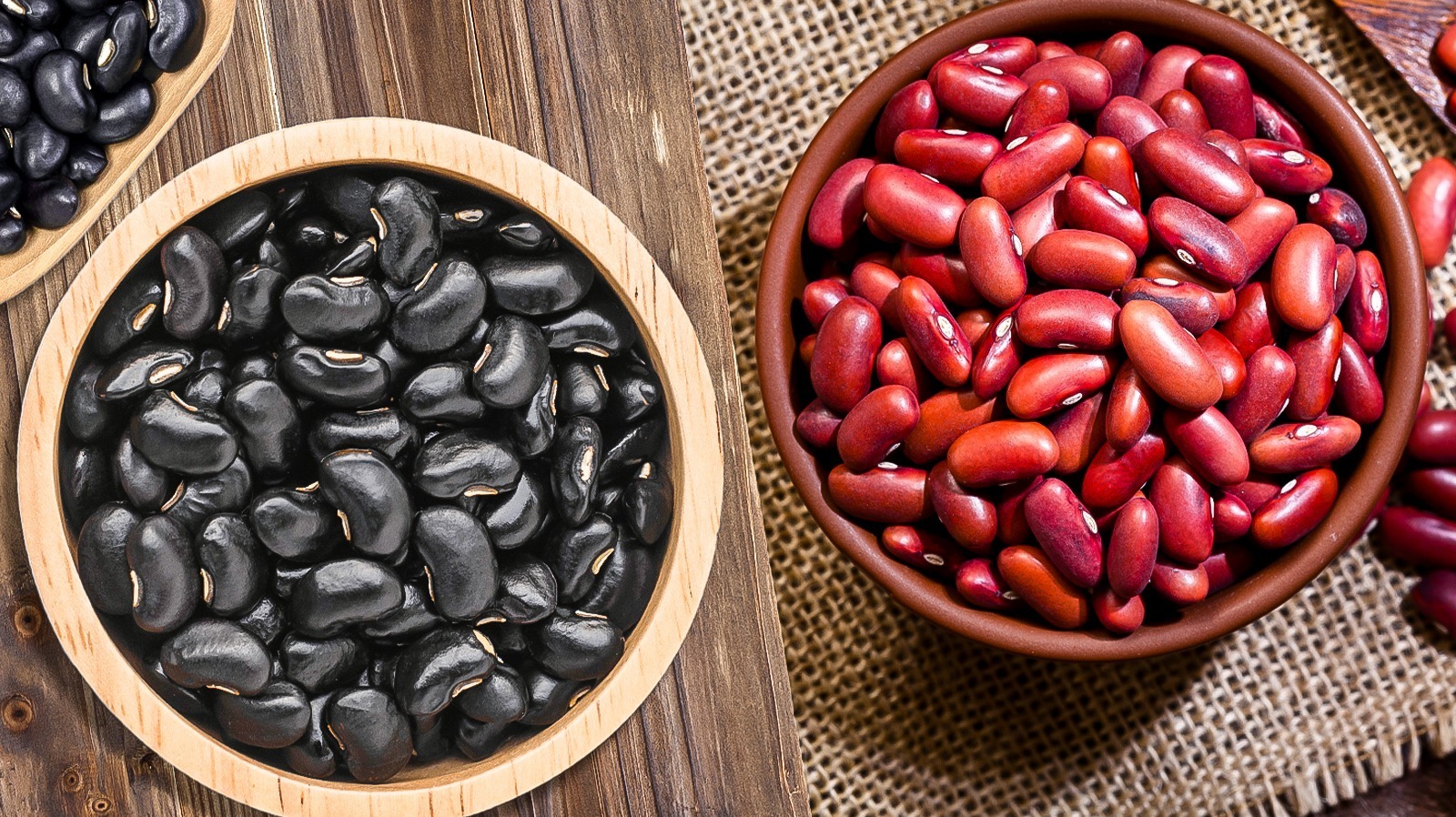
At first glance, these two beans seem almost identical, but their personalities are quite distinct. The dark red kidney bean is the bolder, sturdier cousin. It has a deeper, almost mahogany color and a firm, dense texture that holds up wonderfully to long simmering. This makes it the classic choice for hearty dishes like spicy chili con carne or robust Creole red beans and rice. On the other hand, the light red kidney bean is a bit milder in flavor and has a slightly softer, creamier texture when cooked. It’s generally smaller and more delicate, making it a fantastic addition to lighter soups, pasta salads, or any dish where you want the bean to almost melt into the background without stealing the show.
Think of it this way: if you’re making a big pot of Texas-style chili where you want each spoonful to have a meaty, substantial bite, the dark red kidney bean is your go-to. Its firmer skin and denser interior mean it won’t turn to mush after an hour of bubbling with tomatoes and spices. Conversely, imagine assembling a cold bean salad with bell peppers, onions, and a tangy vinaigrette. Here, the lighter, more tender light red kidney bean shines, as its softer consistency blends seamlessly with the other ingredients and absorbs the dressing beautifully without becoming pasty.
Must Read
The differences aren’t just about texture; they also influence your cooking process. Because dark red kidney beans are naturally denser, they often require a slightly longer cooking time if you’re using dried beans. To get the most out of them, always remember the golden rule: never eat raw or undercooked kidney beans. They contain a natural toxin called phytohaemagglutinin, which is completely neutralized by proper boiling. A simple, actionable tip is to boil your dried kidney beans (both types) vigorously for at least 10 minutes before reducing to a simmer. This ensures safety and guarantees that signature creamy interior.
 Red Kidney Beans | Bulk Nuts 4 You
When it comes to storage and convenience, both varieties are nearly identical. Most people will reach for canned beans, which are fully cooked and ready to use. Here, the choice is purely about the final dish’s aesthetic and mouthfeel. If you’re building a visually striking layered dip or a stew where you want distinct ingredients, go with dark red for their prominent color. For a more subtle, integrated dish like a blended bean dip or a mild soup, the light red beans fade into the background elegantly. A practical starting point is to simply keep both on hand and experiment—use dark red for your next batch of chili and light red for a summer bean and corn salad.
Ultimately, the “winner” in this dark vs. light debate is really your own palate and the specific dish you’re preparing. The joy here is in the nuance: a simple swap can transform a meal from just “good” to perfectly balanced. So don’t stress about choosing the “right” one. Embrace the difference, try a simple recipe with each, and notice how the texture and taste shift. This easy-going approach to a humble ingredient is exactly what makes cooking such a pleasurable and endlessly creative adventure. Whether you end up team dark or team light, you’re about to make a much better pot of beans.