Dark Red Kidney Beans Vs Light Red Kidney Beans

For anyone who loves a hearty, home-cooked meal, the humble kidney bean is a pantry staple that brings both substance and comfort. Whether you are crafting a slow-simmered chi...
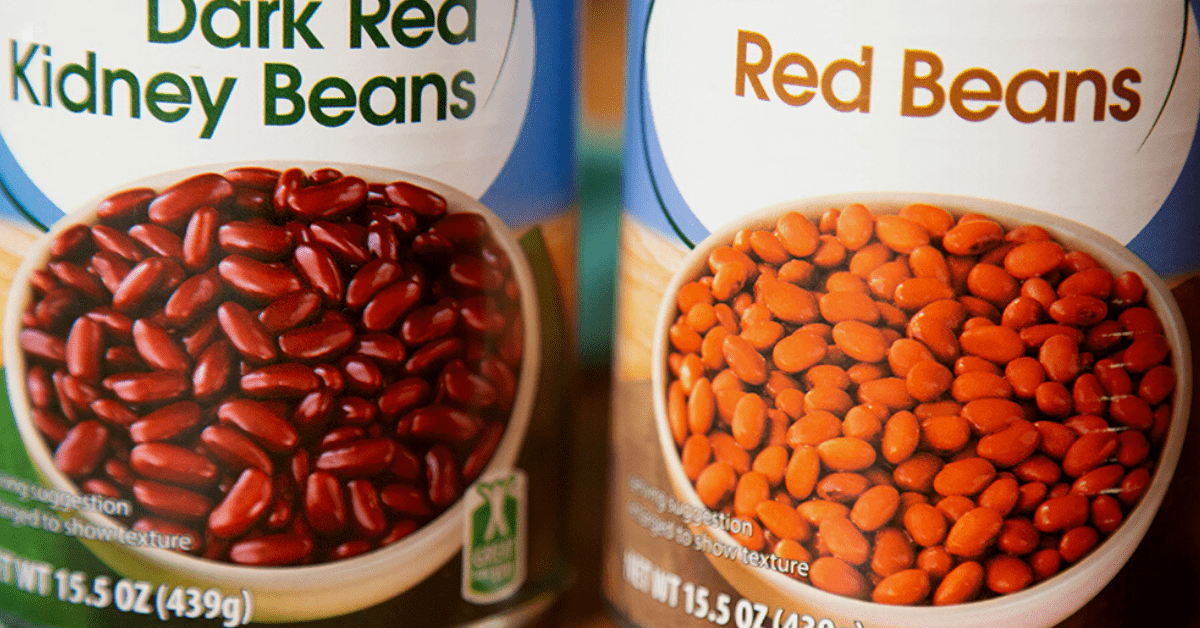
For anyone who loves a hearty, home-cooked meal, the humble kidney bean is a pantry staple that brings both substance and comfort. Whether you are crafting a slow-simmered chili for a football party, a robust rice and beans dish for a weeknight dinner, or a vibrant bean salad for a summer picnic, the choice between dark red and light red kidney beans can subtly shape the entire experience. While they look similar, these two varieties offer distinct textures, tastes, and visual appeals that can elevate your everyday cooking from good to unforgettable.
The key purpose of distinguishing between these beans lies in their texture and flavor profile. Dark red kidney beans are the classic choice for dishes where you want the beans to hold their shape and offer a firm bite. They have a slightly thicker skin and a more robust, earthy flavor that stands up well to long cooking times and bold seasonings. In contrast, light red kidney beans are generally softer and creamier, with a milder, almost sweet taste. This makes them better suited for recipes where you want the beans to blend more seamlessly into the background, absorbing the flavors of a sauce or dressing without overwhelming the other ingredients.
The benefits for everyday life are immediate and practical. Imagine you are making chili con carne for a crowd. If you use dark red kidney beans, your chili will have a pronounced visual contrast with the meat and tomatoes, and each spoonful will provide a satisfying, chewy bite that remains intact even after hours of simmering. This creates a sturdy, rustic texture. Conversely, if you are preparing a cold bean salad or a light soup, light red kidney beans excel. Their softer texture blends beautifully with crunchy vegetables and vinaigrettes, and their milder flavor allows the citrus or herbs to shine. For example, a simple salad of light red beans, corn, diced bell peppers, and a lime-cilantro dressing is a refreshing summer dish that never feels heavy.
Must Read
Another scenario highlights their value: you are making a Creole-style red beans and rice. Most traditional recipes call for dark red kidney beans because they can withstand the long, slow simmer needed to develop the rich, smoky flavors from andouille sausage and spices. The dark red beans maintain their integrity and provide a meaty foundation. However, if you are short on time and using a pressure cooker or canned beans, light red kidney beans work wonderfully because they soften quickly and integrate into the creamy sauce, giving you that same soulful comfort in half the time.
To explore these beans on your own, here are a few simple tips. First, always inspect the package—dark red kidney beans are usually a deep, almost mahogany red, while light red are a pale, dusty pink with a slight sheen. Second, if you are cooking dried beans, never mix the two varieties in the same pot, as they have different cooking times; the light red ones may become mushy while the dark ones are still firm. A good rule of thumb is to soak both types overnight, but where dark red beans benefit from a longer simmer (45–60 minutes after boiling), light red beans are often ready in 30–40 minutes. Third, experiment with flavor pairings: dark red beans love bold partners like cumin, smoked paprika, chili powder, and garlic; light red beans shine with milder notes like thyme, bay leaves, olive oil, and fresh lemon juice.
 Red Kidney Beans | Bulk Nuts 4 You
In terms of nutrition, both varieties are powerhouses. They are packed with fiber, protein, and essential minerals like iron and potassium. However, dark red kidney beans contain a slightly higher concentration of these nutrients due to their denser structure. This makes them a fantastic choice for a budget-friendly, plant-based protein that keeps you full and energized. Light red kidney beans, while also nutritious, offer a gentler digestive experience for some people because of their softer composition, making them a great option for children or those with sensitive stomachs.
Ultimately, the choice between dark red and light red kidney beans isn't about which is "better"—it's about matching the bean to the mission. For a robust, crowd-pleasing chili that stands up to bold spices and long cooking, reach for the dark red. For a delicate, summery salad or a creamy, quick-cooking side dish, let the light red beans take center stage. By understanding this simple difference, you unlock a small but powerful tool to improve your everyday meals, adding depth, texture, and joy to the table. So next time you stand in the grocery aisle, look closely at those two shades of red and choose the one that best fits your culinary adventure.

