Dark Or Light Red Kidney Beans

Let’s talk about beans. Specifically, the dark red and light red kidney beans. They sit on the shelf looking almost identical. But don’t be fooled—they are culinary cousins wi...

Let’s talk about beans. Specifically, the dark red and light red kidney beans. They sit on the shelf looking almost identical. But don’t be fooled—they are culinary cousins with very different personalities.
The Mystery of the Color Difference
Why are some kidney beans dark red and others light? It’s not a tanning bed situation. The color actually comes from different levels of anthocyanins—the same pigment in blueberries and red wine. Dark red beans have more of this antioxidant. Light red beans? They are just a little shy about showing off their pigments.
Here’s a weird fact: The darker bean absorbs more heat during cooking. That’s why dark reds hold their shape better in chili. Light reds get a bit mushy, which makes them perfect for refried beans. They are texture twins, but not flavor twins.
Must Read
The Toxic Secret (Yes, Really)
Both types share a dangerous secret. If you eat them raw or undercooked, you’re in for a bad time. They contain phytohaemagglutinin—a nasty lectin that causes violent vomiting. Don’t panic! Just soak them for five hours, then boil for ten minutes. Never use a slow cooker for dried kidney beans. It doesn’t get hot enough to kill the toxin. You’ll end up with a pot of poison soup. Not fun.
Which One Wins in Flavor?
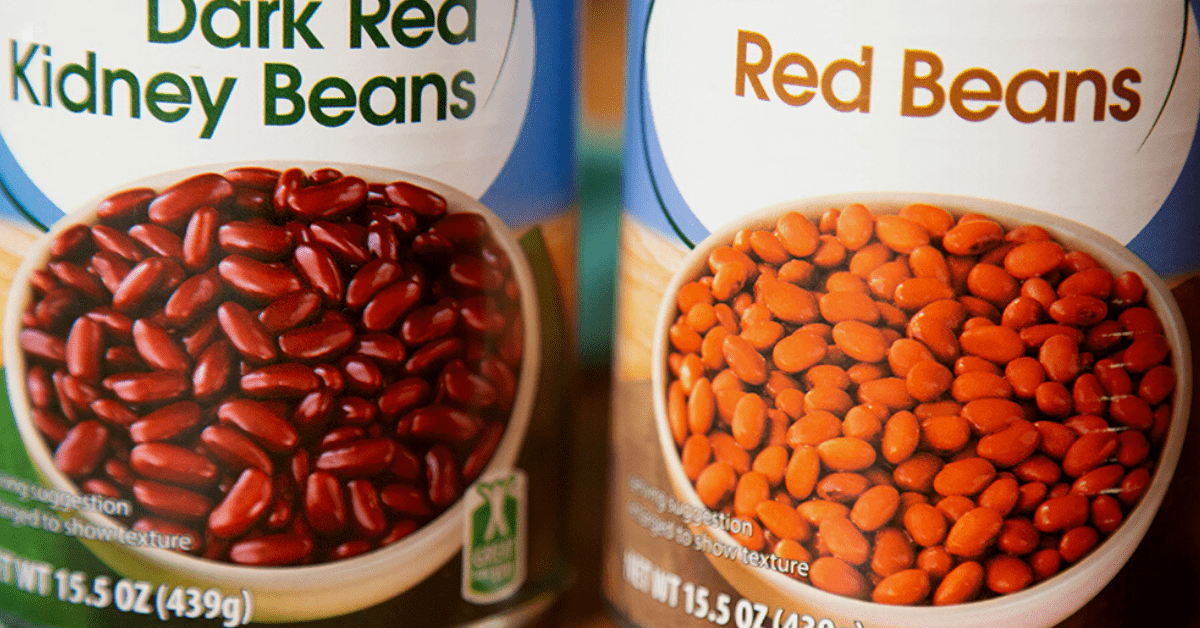
Dark red kidney beans taste earthier and meatier. They are the biker jackets of the bean world—bold and tough. Light reds are milder and slightly sweet. Think of them as a cozy sweater. Both are delicious, but they behave differently in recipes. Dark reds dominate a spicy chili. Light reds let other ingredients shine.
 Red Beans vs Kidney Beans: Unraveling the Bean Battle Plus 15
Here’s a party trick: Cook up both types side-by-side. Then ask your friends to taste-test blindfolded. Most can’t tell the difference. But you’ll be the smug chef who knows the science behind the bean color.
The Science of the Skin
Ever notice how dark red beans have a thick, shiny skin? That’s called a seed coat. It’s packed with fiber and that red pigment. Light red beans have a thinner coat. That’s why they cook faster. Want to make a creamy bean dip? Use light reds. Want a bean that stands up to a heavy stew? Go dark. It’s like choosing between a leather boot and a canvas sneaker.
A Quirky History Lesson
Kidney beans are named after your kidney—because of their shape. But here’s the weird part: They were brought to Europe from the Americas by Spanish explorers in the 1500s. People thought they were poisonous for decades (they were right about raw ones!). In Japan, they’re used in sweet red bean paste for desserts. Dark red beans are sweeter when mashed. Light reds? They make a trendy pink latte in South Korea. Beans for breakfast, lunch, and coffee? I’m in.
 The Biggest Differences Between Black Beans And Kidney Beans
The Ultimate Guide to Choosing
Still stuck? Let’s simplify. Use dark red for: chili, soups with beef, or anytime you want a bean to hold its shape. Use light red for: refried beans, bean salads, or dips. But the real secret? Mix them. A blend of half dark, half light creates a texture party in your mouth. The dark ones fight back; the light ones melt. It’s bean harmony.
Funky Cooking Tips
Don’t add salt until after cooking. Salt makes the skins tough. You’ll end up with crunchy beans—gross. And never cook them with acidic ingredients like tomatoes until they’re fully tender. Acid stops them from softening. That’s a kitchen disaster. Oh, and always taste-test a bean by smooshing it against the pot. If it smashes easily, you’re golden. If it resists, keep boiling.
The Final Verdict
Dark or light? It’s not a personality test. It’s a texture and time test. Both are packed with protein, fiber, and that lovely earthy flavor. Both will change your life if you cook them right. But the real fun? Telling your dinner guests, “These beans are toxic if raw, but I saved you.” You’ll look like a bean wizard. So go ahead—pick a color, soak it overnight, and boil it furiously. Your kitchen will smell amazing. And you’ll never see a kidney bean as boring again.
