Dark Or Light Kidney Beans For Chili

Let’s be real: chili is a battlefield of opinions. Should it have meat or be vegetarian? Is it a soup or a stew? But the most divisive question of all might be the bean choice...
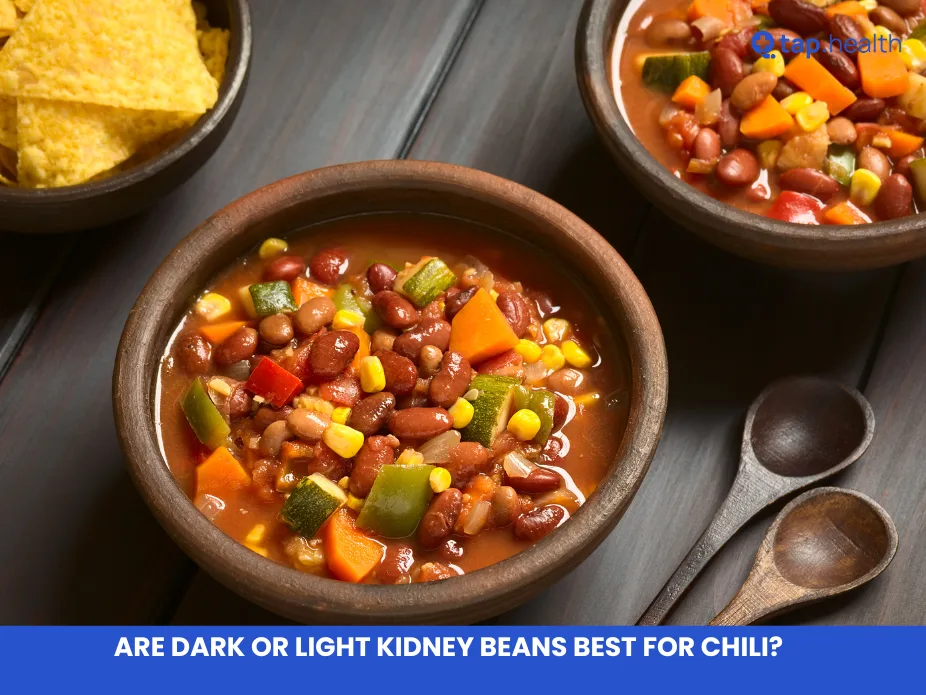
Let’s be real: chili is a battlefield of opinions. Should it have meat or be vegetarian? Is it a soup or a stew? But the most divisive question of all might be the bean choice—specifically, dark or light kidney beans. This isn’t just about color; it’s about finding the perfect texture and flavor that makes your weeknight dinner or game-day potluck a total win.
Why does this even matter? For your family, it’s about satisfaction. Dark kidney beans are the sturdy workhorses—they hold their shape beautifully after hours of simmering, giving you that hearty, meaty bite. Light kidney beans, on the other hand, are a little creamier and soak up spices better, which can make your chili taste more complex. For a community cook-off, getting this right means the difference between a bowl that’s a second-serve legend or a one-and-done flop.
Picture this: you’re hosting a fall potluck. You bring a classic Texas-style chili using dark kidney beans. They stay firm in the broth, so leftovers don’t turn mushy. Your buddy Mike, a self-proclaimed bean hater, tries it and asks for thirds because the beans aren’t “slimy.” Meanwhile, your neighbor’s vegetarian chili with light kidney beans becomes a surprise hit—the beans melt into the tomato base, creating a velvety richness that even carnivores rave about.
Must Read
So, how do you pick? For a bold, chunky chili that needs to stand up to lots of meat and vegetables, go dark. For a smoother, spice-forward chili where you want the beans to blend into the sauce, pick light. Here’s a pro tip: don’t be afraid to mix them. Using half dark and half light gives you both the sturdy texture and that creamy, flavor-absorbing quality. Just always rinse canned beans to reduce sodium and that metallic taste.
Ready to apply this? Next time you’re at the store, grab one can of each. Start your chili with a base of onion, garlic, and chili powder. Add the meat or veggie crumbles, then pour in both beans only halfway through cooking. This keeps the dark ones firm while the light ones break down. Taste and adjust—maybe a dash of cumin or a squeeze of lime. Your family will think you’re a kitchen wizard.
 The Biggest Differences Between Black Beans And Kidney Beans
In the end, the dark or light debate isn’t about right or wrong. It’s about intention. Whether you crave a rustic, bean-forward bowl or a silky, spice-packed comfort meal, your choice shapes the entire experience. For families, it’s a way to please picky eaters; for communities, it’s a conversation starter at every chili cook-off.
So embrace the bean drama. Experiment, swap, and own your choice. Dark or light? It doesn’t matter as long as you’re stirring up something delicious that brings people together. That’s the real chili magic—and it’s always worth the debate.