Dark Brown Or Light Brown Sugar For Cookies

Hey there, fellow cookie lover! If you’ve ever stared at a bag of brown sugar and wondered, “Should I go with dark or light?”, you’re in for a treat. This little choice can co...
Hey there, fellow cookie lover! If you’ve ever stared at a bag of brown sugar and wondered, “Should I go with dark or light?”, you’re in for a treat. This little choice can completely change the personality of your batch, turning a simple snack into a conversation‑starter. The purpose of exploring dark brown sugar versus light brown sugar is to give you the power to customize texture, flavor, and even the health profile of your cookies. By understanding the subtle differences, you’ll bake with confidence, enjoy richer aromas, and impress friends with the perfect bite every time.
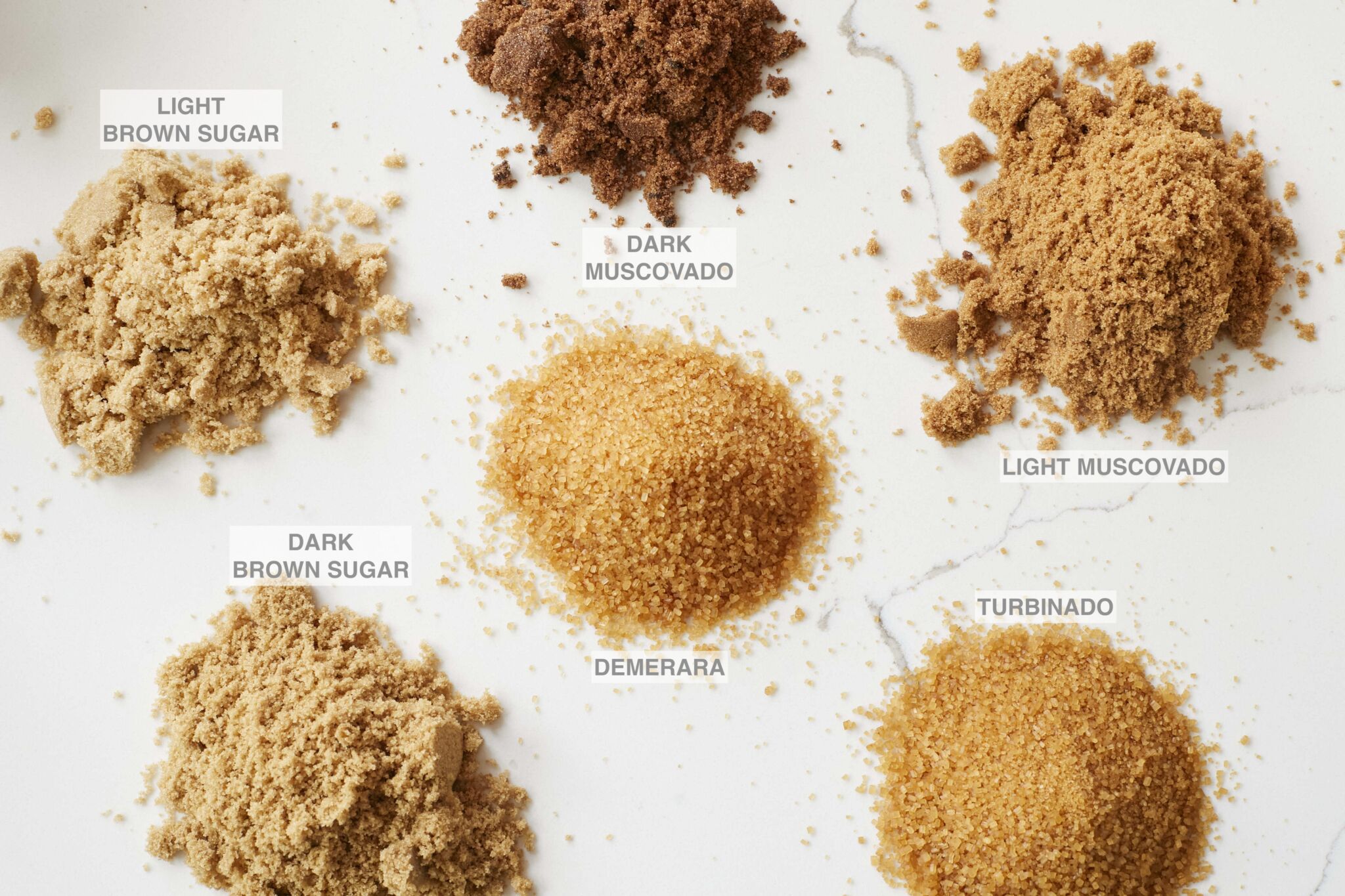
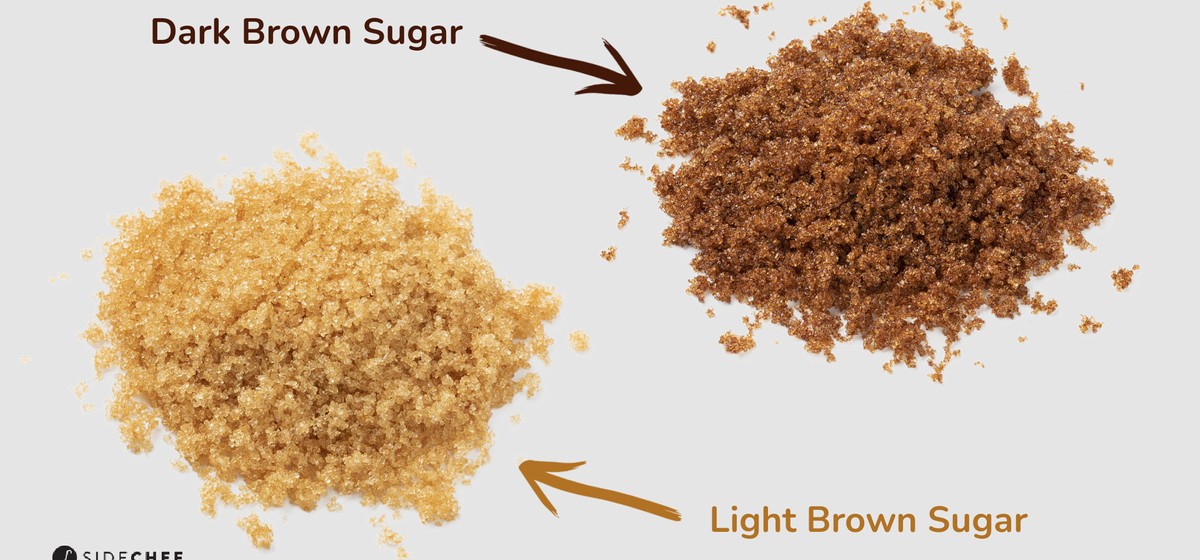
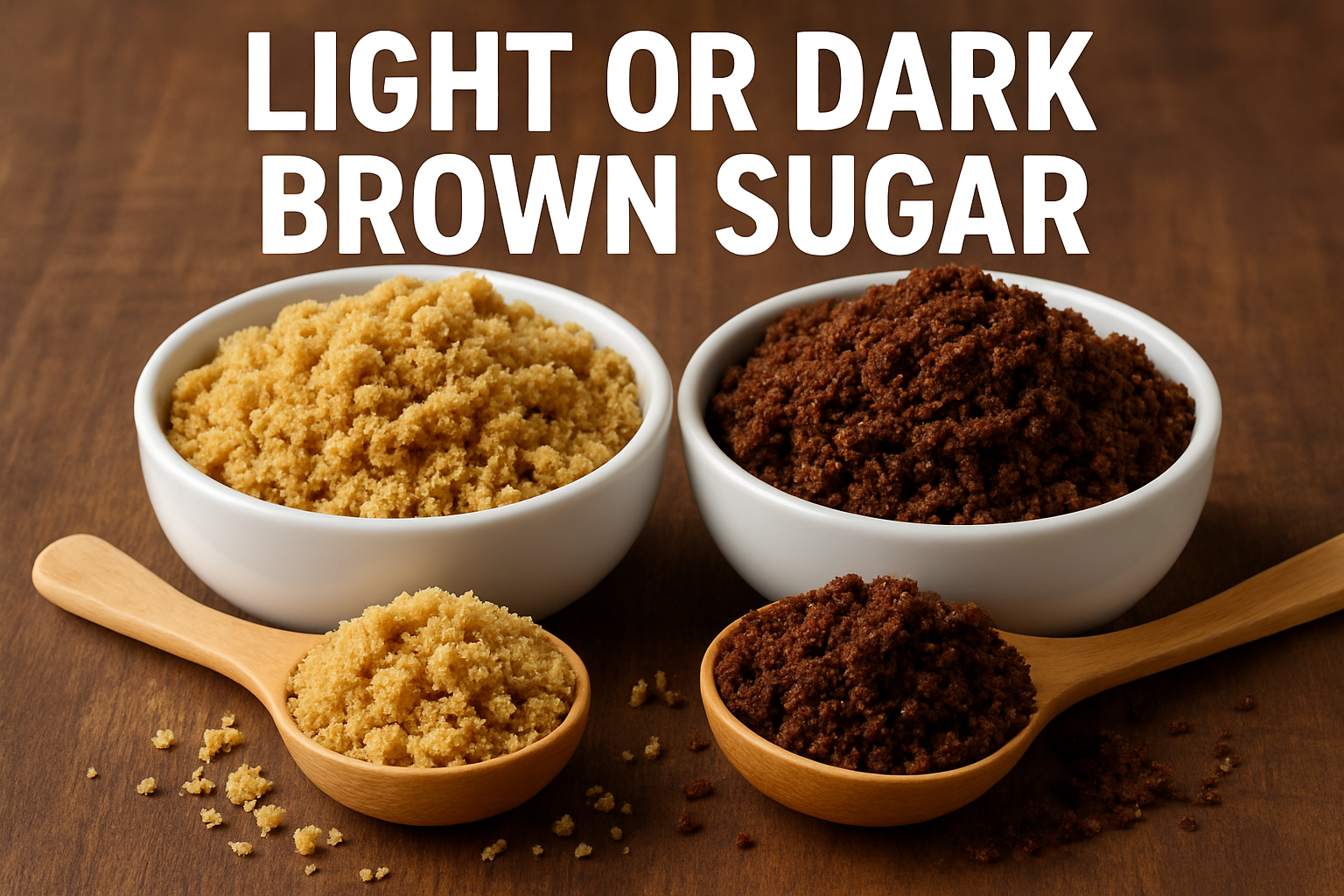
The core difference lies in the amount of molasses left in each sugar. Light brown sugar contains a modest amount, giving it a gentle sweetness and a mild caramel hint. Dark brown sugar, on the other hand, is packed with more molasses, which makes it darker and more robust. This extra molasses also means more moisture, so dark brown sugar tends to be moister and slightly stickier. While both sugars are interchangeable in most recipes, the choice you make will affect how the dough spreads, the depth of flavor, and even the final color of the cookies.
When it comes to texture, light brown sugar often produces cookies that are a bit softer and have a lighter crumb—think of a classic chocolate chip cookie that melts in your mouth. Dark brown sugar brings a chewier, more substantial bite because the added molasses keeps the dough hydrated longer, allowing the silhouette to hold its shape while still yielding a pleasing chew. Flavor-wise, the light version leans toward a subtle butterscotch note, while the dark delivers a deeper, almost toffee‑like richness that can make a simple recipe feel like a gourmet indulgence.
Must Read
Here are some creative ways to use each sugar. Try swapping half the white sugar in your favorite oatmeal cookie recipe for dark brown sugar for a cozy, maple‑like aroma that pairs beautifully with cinnamon. If you’re experimenting with molasses‑spiced gingersnaps, using light brown sugar will keep the spice front‑and‑center without overwhelming the palate. You can also make a “dual‑sugar” dough: mix equal parts of both sugars to get a balanced flavor that’s neither too subtle nor too bold, perfect for those who can’t decide between the two.
 How to Make Brown Sugar at Home in 10 Minutes: Light or Dark Method
Practical tips for bakers: remember that dark brown sugar tends to clump because of its higher moisture content—give it a quick whisk or press it through a sieve before measuring for a more accurate cup. When tweaking a recipe, if you notice your dough is overly sticky after using dark brown sugar, add a spoonful of additional flour or refrigerate the dough for 30 minutes to firm up. Store both sugars in airtight containers; a slice of white bread placed in the jar helps maintain moisture and prevents them from hardening. Finally, keep a note of the sugar you used in your recipe notebook—this simple habit saves you from trial‑and‑error in future batches.
So, whether you reach for the light brown sugar for a gentle sweetness or the dark brown sugar for a bold, caramel‑laden punch, the choice is entirely yours. Each option opens a door to new textures and flavors, turning a routine baking session into a delightful experiment. Grab a bag, pick a direction, and let your cookies tell a story that’s uniquely yours—happy baking!