Cure For Cancer 84 Years Ago

So, grab your coffee, let's chat. You know how we're always hearing about the latest cancer breakthroughs? Well, buckle up, 'cause I've got a story for you. Ever heard of Dr....
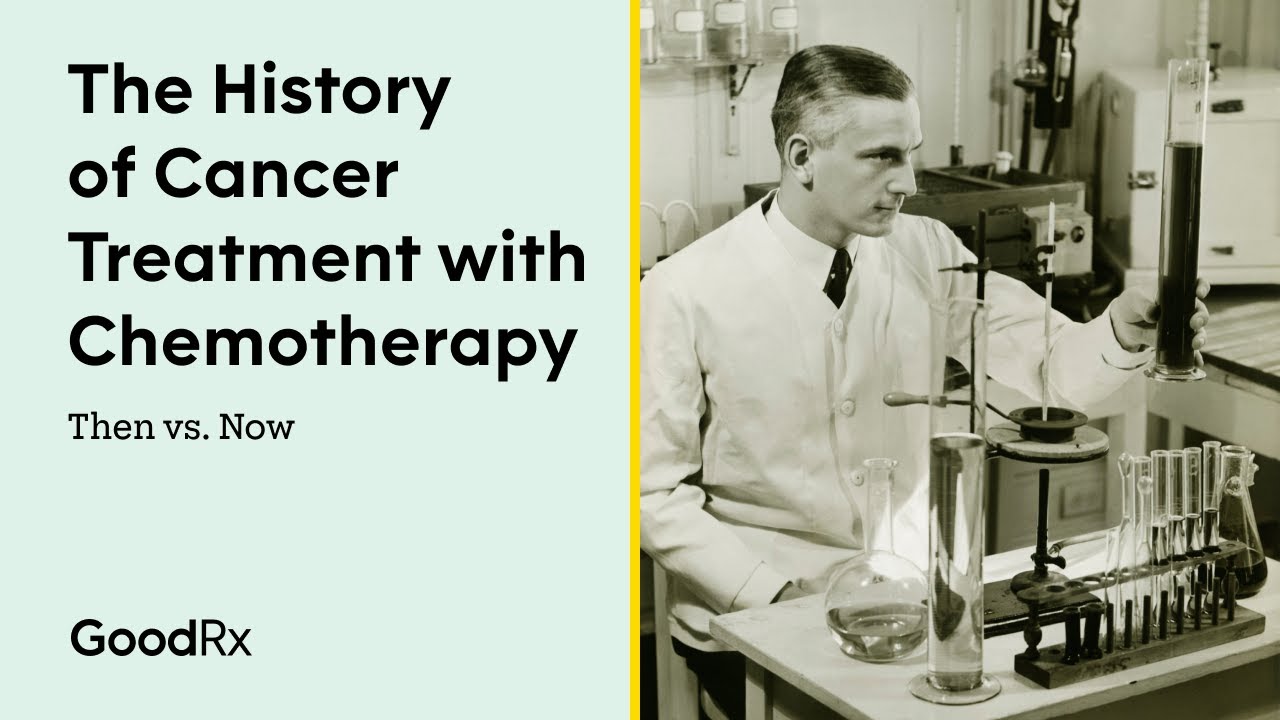
So, grab your coffee, let's chat. You know how we're always hearing about the latest cancer breakthroughs? Well, buckle up, 'cause I've got a story for you. Ever heard of Dr. Royal R. Rife?
Now, don't go Googling him just yet, let me set the stage. Picture this: it's 1934, the height of the Great Depression. People are struggling, but here's this guy, Rife, in his lab, tinkering with microscopes. He's not trying to invent the next iPhone, no, he's got his sights set on something way bigger.
Rife believed that cancer was caused by a microbe, something he called a 'filterable virus'. Now, before you roll your eyes, remember, this was 84 years ago. We're talking pre-DNA, pre-microwave, even pre-TV for some folks. So, he's basically a mad scientist in the best possible way.
Must Read
Enter the 'Universal Microscope'
So, Rife builds this crazy microscope, the 'Universal Microscope'. It's not your average toy store microscope, no, this thing is like the Death Star of microscopes. It's got special lenses and lights that let you see stuff that's, like, a million times smaller than what you can see with a regular microscope. Rife claims it can see things as small as 1/10,000,000 of a millimeter. That's like trying to see a single grain of sand on the surface of the moon.
Anyway, Rife uses this bad boy to look at cancer tissue, and lo and behold, he sees these tiny little critters. He thinks, 'Aha! That's the cause of cancer!'
Rife's 'Cure'
Now, here's where it gets really interesting. Rife thinks, 'If I can see these little guys, maybe I can kill them.' So, he builds another machine, the 'Rife Frequency Instrument'. It's like a weird cross between a radio and a science fair project. He believes that each microbe has a unique frequency, like a sonic signature.
He zaps cancer cells with these frequencies, and boom, they die. At least, that's what he claims. He treats people with cancer, and some of them get better. Word spreads, and suddenly, Rife is the talk of the town. People are calling him a hero, a genius, a quack - you name it.
But here's the thing, folks. It's 1934, and while Rife's got some impressive tech, he's not exactly working in a sterile lab. There's no double-blind studies, no peer review, no FDA. It's all word-of-mouth and anecdotal evidence. And that's where the story starts to get a little... messy.
 The Cure
Controversy and the 'Cancer Cure' Label
So, you've got this guy, claiming to cure cancer with radio waves. You can see why people might be skeptical, right? Some doctors are on board, some are not. There's a big public debate, and Rife's getting a lot of heat. Meanwhile, he's trying to patent his machine, but the patent office is like, 'Nah, we don't think so.'
Then, things get really weird. Rife's machines get 'stolen' (or so he claims), and he's accused of fraud. He's all over the news, but not in a good way. His reputation takes a beating, and his health follows suit. He dies in 1971, a broken man, still believing in his cure.
Now, here's where I ask you: Was Rife a genius ahead of his time? Or was he a charlatan, peddling false hope? The truth is, we don't know. His methods were controversial, his results were mixed, and his legacy is... complicated.
The Legacy of Rife
Here's the thing, though. Even if Rife was wrong about the microbe causing cancer, he was onto something. We now know that cancer is caused by damaged cells, and we're using frequencies to treat it - it's called 'thermotherapy'. So, in a way, Rife was right. Just not in the way he thought he was.
And that, my friend, is the story of Dr. Royal R. Rife, the man who claimed to cure cancer 84 years ago. So, next time you hear about a 'cancer cure', remember Rife. He might not have been the first, and he certainly wasn't the last, to make big claims about cancer. But he's a reminder that the road to understanding this disease is long, and filled with both triumph and tragedy.
Now, pass the sugar, would ya? I think I've earned it.
