Crown Family Roles In Governing Nations?

Let’s be honest: there’s something inherently fascinating about royal families. Whether it’s the drama, the pageantry, or the sheer longevity of their institutions, watching h...
Let’s be honest: there’s something inherently fascinating about royal families. Whether it’s the drama, the pageantry, or the sheer longevity of their institutions, watching how a crown family operates in the modern world is a bit like binge-watching a real-life historical drama. This topic is enjoyable because it’s a blend of tradition and realpolitik—a chance to see how ancient titles like “Duke” or “King” still influence budgets, diplomacy, and national identity today. The main purpose here is to understand that these families aren’t just decorative; they often play specific, practical roles in governance, from ceremonial duties to quiet back-channel negotiations.
At its core, the role of a crown family in a constitutional monarchy is to be a symbolic anchor for the nation. They embody continuity above politics. The queen or king reigns but does not rule. This separation provides immense benefits: the elected government can be fiercely partisan, while the monarch remains a neutral figurehead, someone who can represent the entire country—regardless of who’s in power. For citizens, this creates a sense of shared heritage; for politicians, it offers a non-political head of state to consult during crises. For tourists, of course, it’s a license to print money via souvenirs and palace tours.
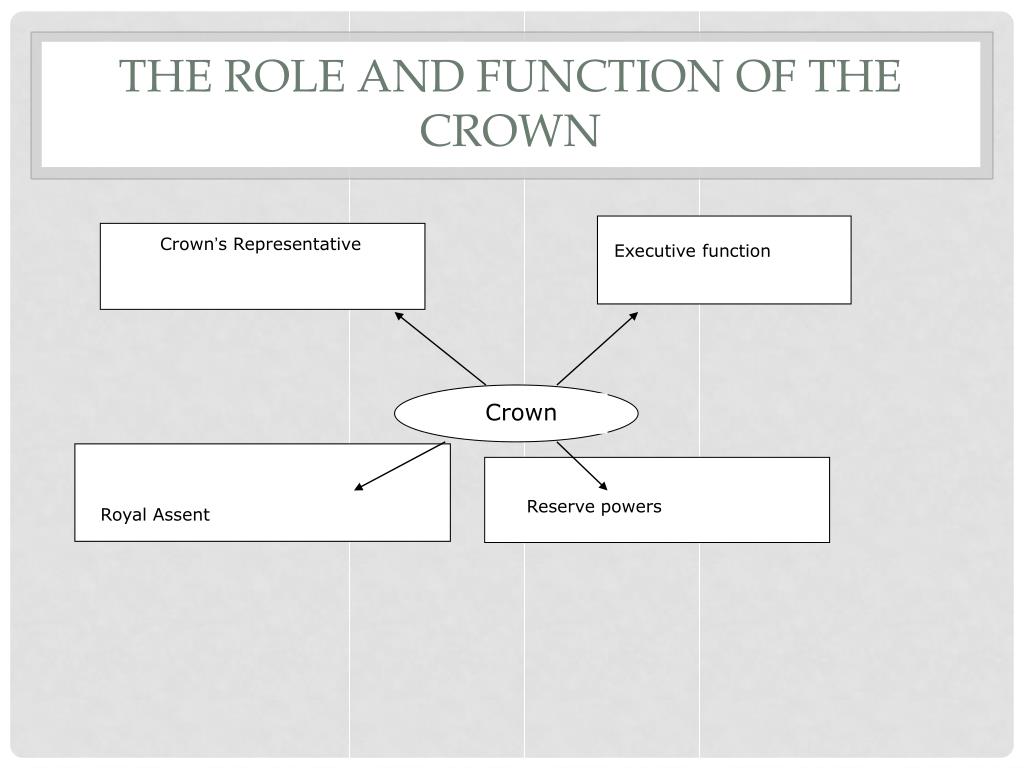
You’ll find common variations of this system across the globe. Take the United Kingdom, where the monarch’s role is mostly ceremonial—opening Parliament, giving the “King’s Speech,” and granting royal assent to laws. In contrast, consider Japan, where the Emperor is a symbol of the state and of the unity of the people, with no political powers at all, yet still holds deep cultural weight. Then there’s Monaco or Liechtenstein, where the prince retains more executive influence, including veto power over legislation. Recognizing these differences helps you understand that “crown family” isn’t one role—it’s a spectrum from purely symbolic to actively governing.
Must Read
A key practical insight is how these families manage their “soft power.” They host state banquets, visit disaster zones, and champion charities. For example, the Prince of Wales’s Trusts have helped thousands of young people, while the King of Sweden holds the Nobel Prize ceremonies, focusing global attention. This work is vital because it humanizes the government in a way that a prime minister’s press conference cannot. It builds trust and international goodwill. For a smaller nation like Denmark, the Queen’s personal popularity often translates into national pride—and that pride is a form of political stability.
So, how can you make the most of understanding these roles? Start with observation. Pay attention to a royal tour—watch how the government schedules meetings around the family’s public engagements. Then, read the official constitution of a monarchy (they’re often quite short). Notice the exact phrasing: does the monarch “appoint” the prime minister, or merely “invite” them? The difference is huge. Finally, follow the budget. Many constitutional monarchies publish an annual “sovereign grant” report showing exactly what the crown family costs taxpayers—usually a tiny fraction of the national budget, yet a source of endless debate.
 PPT - Unit 3 Legal Studies PowerPoint Presentation, free download - ID
Perhaps the most actionable tip is to engage with the non-political side: support a royal patron’s charity. Most crown families are deeply involved in environmental, educational, or cultural foundations. Volunteering or donating to a “Royal Foundation” project connects you to the legacy of a family’s soft-power work without getting tangled in partisan politics. It’s a direct way to benefit from the institution’s reach. And remember: whether you view them as outdated or inspiring, crown families are masterclasses in public relations and institutional resilience.
In the end, the roles of a crown family in governing a nation are multifaceted—they are diplomats, mascots, patrons, and occasionally whisperers in the ear of power. They don’t drive the ship of state, but they often polish its hull and wave cheerfully from the deck. By learning about them, we better understand how tradition can coexist with democracy, and how a single family can serve as a living bridge between a country’s past and its future. And that’s a story worth following.

