Crown Family Origins And Founders?

So, we’ve all daydreamed about it, haven’t we? Waking up in a castle, a crown—not one that digs into your forehead, but a *light*, tasteful one—resting on your pillow. Maybe a...
So, we’ve all daydreamed about it, haven’t we? Waking up in a castle, a crown—not one that digs into your forehead, but a light, tasteful one—resting on your pillow. Maybe a team of footmen polishing your silverware while you sip tea out of a cup that costs more than a used car. But behind every tiara and scepter is a story that usually begins with someone who, let’s be honest, wasn’t born in a palace. Let’s peel back the velvet curtain on crown family origins—and the scrappy, often hilarious founders who started it all.
Think about it: being a founder of a royal dynasty is a weird gig. You’re basically saying, “I’m going to take this piece of land, convince everyone I’m the boss, and then pass this jewelry down for centuries.” Take the House of Windsor. Sure, they’ve got the corgis and the wave down, but the dynasty’s modern chapter was actually founded by King George V in 1917—he literally changed the family name from Saxe-Coburg and Gotha (which sounds like a Wagner opera you’d skip) to Windsor. Why? Because World War I was raging, and having a German name was, shall we say, bad for PR. So George, bless his heart, basically rebranded the whole monarchy like a start-up. “No more German sausages at tea, lads! We’re going with cucumber sandwiches now!”
But let’s rewind further. The House of Habsburg? Their origin story involves a guy named Rudolf I in the 13th century. He wasn’t wearing a fancy hat; he was a count who got elected King of the Romans partly because he was nobody’s first choice. Classic “accidental founder” energy. And he famously said, “Let others wage war; you, happy Austria, marry.” Which is code for: “We might not win battles, but our kids will marry your kids, and then we’ll get your castle’s key.” It worked. They ended up ruling half of Europe on a charm offensive (and a lot of arranged weddings that probably started with awkward small talk).
Must Read
Then there’s the House of Medici—technically not a royal family, but they acted like one. The founders were bankers. Yes, bankers. Giovanni di Bicci de’ Medici started the family bank in 1397. He funded popes and princes, which is basically the medieval equivalent of a small loan with very high interest. His secret? He was really good with ledgers and had a knack for making people feel indebted to him. “Oh, you need gold for your fresco? Sign here… and by the way, your eldest son should marry my daughter. That painting will look great in our new palace.” It’s financial planning, people.
And let’s not forget the Romanovs, whose founder Michael I was elected tsar in 1613 after a messy civil war. The real kicker? Michael was 16 years old and reportedly burst into tears when they told him. “Me? Rule all of Russia? I just wanted to go hunting!” Can you imagine? Your friends call: “Hey, you’ve been chosen to lead a snow-covered superpower.” You rethinking your life choices while a bunch of boyars hand you a very heavy hat.
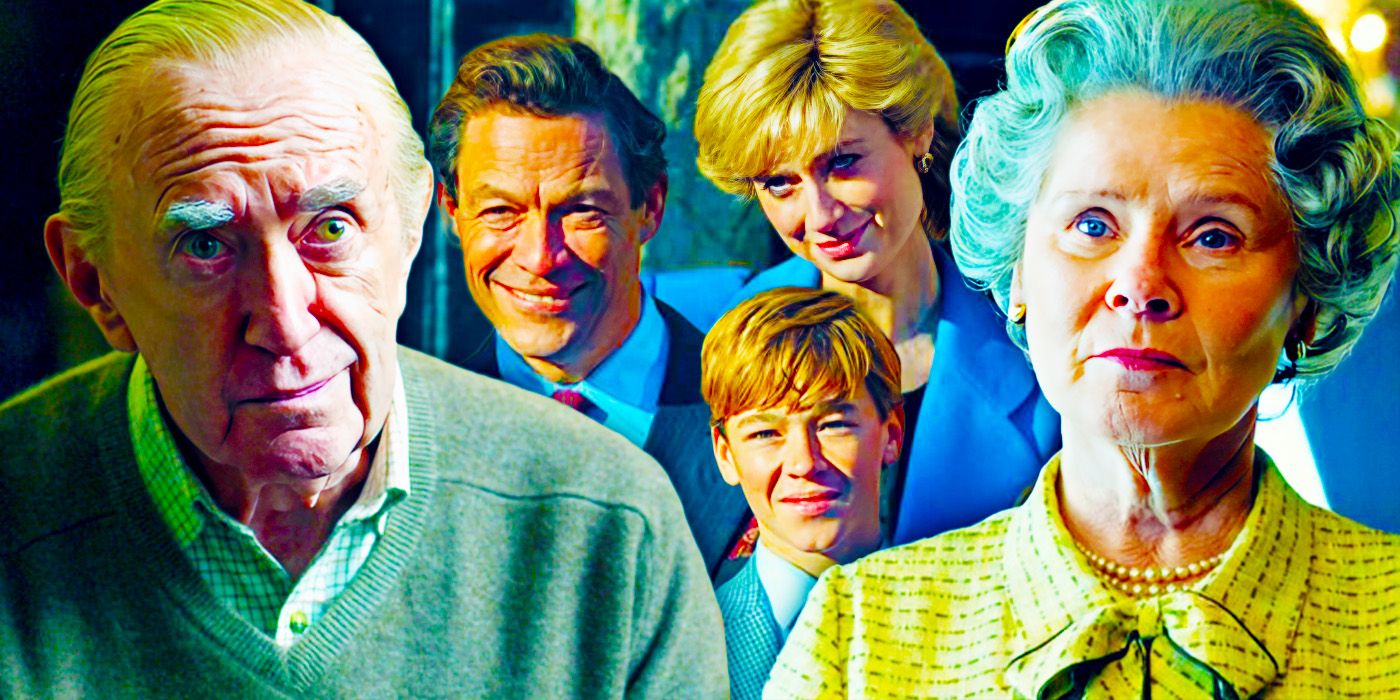 The Crown Family Tree: Queen Elizabeth's Children, Grandchildren
The takeaway here is that crown families started with the same messy human stuff: ambition, a dash of luck, strategic marriages, and occasionally, one guy who was in the right place at the right time with a sharp quill and a duchy to his name. They weren’t born with gold spoons; they made them out of brass and then accidentally walked into a jewelry shop (metaphorically).
So, next time you see a royal waving from a balcony, smile. Remember: behind that crown is a founder who probably snagged the job because he wasn’t too proud to rebrand, marry strategically, or weep into his royal robe out of sheer panic. And if that doesn’t make you feel like you could start your own little dynasty—maybe a fancy-lemonade-stand in your backyard—nothing will. Go ahead. Wear a paper crown. You’ve got the spirit.
