Cornstarch Vs Baking Powder For Frying

So, you’re standing in the kitchen, ready to fry up some chicken or maybe those crispy onion rings you’ve been dreaming about. You open the pantry and see two white powders st...

So, you’re standing in the kitchen, ready to fry up some chicken or maybe those crispy onion rings you’ve been dreaming about. You open the pantry and see two white powders staring back at you: cornstarch and baking powder. Which one do you pick?
It’s a classic dilemma, and honestly, the answer isn’t as obvious as you might think. Each one brings a totally different vibe to the frying party. Let’s break it down without the chef jargon, just like we’re swapping tips over a cup of coffee.
The Cornstarch Experience: Pure, Crunchy Magic
First up is cornstarch, that silky, fine powder that feels like dollar-store fairy dust. Its superpower is that it’s pure starch, with zero protein like regular flour.
Must Read
When you coat your food in cornstarch and drop it into hot oil, something beautiful happens. The starch molecules grab onto moisture and expand, creating a thin, glassy crust that shatters when you bite into it.
Ever bite into a piece of kung pao chicken and heard a satisfying crunch? That’s cornstarch doing its thing. It’s the king of crunch for delicate foods like shrimp, tofu, or thinly sliced veggies.
The downside? Cornstarch can be a little shy. It doesn’t puff up or create volume, so your coating will stay thin and tight. Think of it as a tailored suit for your food—sleek, elegant, but not fluffy.
Also, and this is a big one: cornstarch crusts can go from perfect to soggy fast if they sit around. You gotta eat them hot, right out of the fryer. No pressure.
The Baking Powder Angle: Light, Airy, and Surprising
Now, baking powder is a total wild card. You might know it from fluffy pancakes, but it’s also a secret weapon for frying, especially for chicken and fish.
Baking powder is a leavening agent, which means it releases tiny bubbles of carbon dioxide when it hits heat. Those bubbles create a puffy, craggy crust that’s more like a textured cloud than a hard shell.
Have you ever had fried chicken with those little crispy nooks and crannies that hold onto seasoning perfectly? That’s baking powder in action. It gives you volume, like a 90s blowout for your drumstick.
The trick here is that baking powder works best when mixed into a batter or dusted over the meat before cooking. It needs a little time to start reacting, so it’s not just a dry rub in the same way cornstarch is.
Beware, though: if you use too much, you’ll get a soapy, metallic taste that ruins everything. Go easy, or your "airiness" turns into a chemistry experiment gone wrong. Nobody likes soapy chicken.
The Showdown: Speed vs. Structure
So, what’s the real difference? Think of cornstarch as the fast and crispy friend who gets you results in seconds. Baking powder is the slow and textured friend who takes a bit more planning but rewards you with fluffiness.
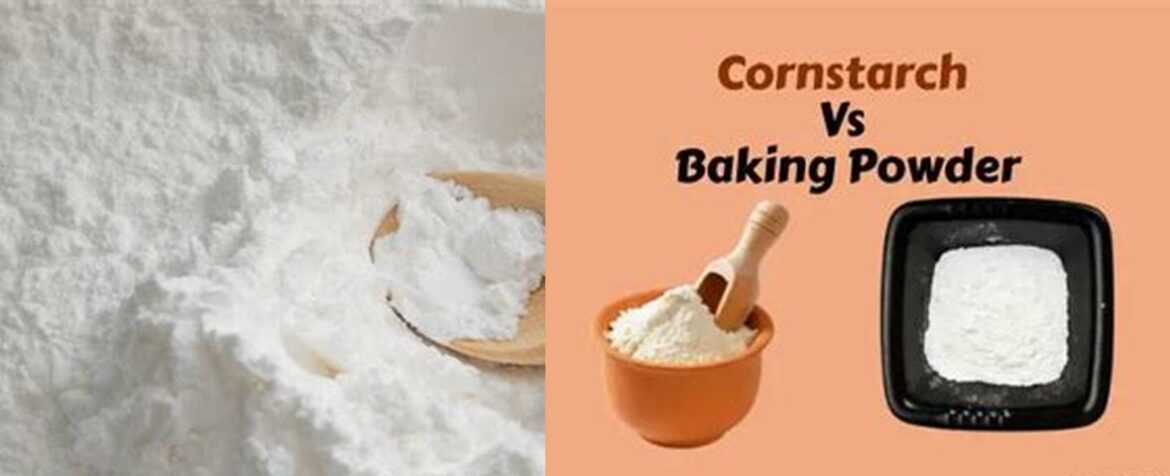 Cornstarch vs Baking Powder: Which one should you use for perfect
For a bare-naked coating—like on french fries or tempura-style veggies—cornstarch is your go-to. It creates that delicate, lacquered crunch that’s almost transparent.
For a thicker, more rustic crust—like on Southern fried chicken or onion rings—baking powder wins the day. It makes the surface bubbly and golden, holding onto sauces better.
Here’s a fun comparison: cornstarch is like a crisp white shirt—clean, sharp, and classic. Baking powder is a chunky knit sweater—cozy, textured, and full of surprises.
Can you use both? Absolutely. Many pro fry cooks mix a little baking powder into a cornstarch base. That combo gives you the best of both worlds: a shatteringly crisp exterior with a slight, airy lift.
Why This Is Cool: You’re Actually a Scientist
Here’s the thing that makes this whole debate fascinating: you’re not just cooking, you’re doing food science. Cornstarch works by gelatinizing—its granules swell and trap steam, creating a barrier that keeps oil out and crunch in.
Baking powder works by chemically reacting with moisture and heat, blowing tiny bubbles that expand the coating. It’s like having a tiny baker inside your crust, inflating it from within. How cool is that?
This means you can predict what your food will be like before it even hits the oil. Want a paper-thin crackle? Cornstarch. Want a puffy, crunchy armor? Baking powder. You’re in control.
And honestly, that’s the most relaxing part of frying: knowing that these simple powders are on your side. You don’t have to guess—you just have to choose your mood.
Your Call to Action: Experiment
Next time you’re frying, don’t stress about "right" or "wrong." Try using only cornstarch on some chicken wings, and only baking powder on another batch. See which one makes you smile more.
Or just go wild and mix them—no one’s going to arrest you. The kitchen is your lab, and these powders are your playthings. Don’t forget to season generously, because naked crunch is still boring.
So, which one are you reaching for tonight? The silky starch that screams, or the fizzy powder that whispers? Either way, you’re about to eat something delicious.
