Cooked Chicken Left Out Overnight In Sealed Container

So, you did it. You cooked a glorious chicken dinner, felt a wave of post-meal laziness, and simply sealed the leftovers in a container before crashing into bed. Fast forward...

So, you did it. You cooked a glorious chicken dinner, felt a wave of post-meal laziness, and simply sealed the leftovers in a container before crashing into bed. Fast forward to morning: you stare at that plastic tomb on the counter like it’s a cursed artifact from Indiana Jones. Let’s talk about that cold, congealed drama—I promise it’s funnier than the bacterial rave happening inside.
The First Rule of Chicken Club
Here’s the brutal truth: chicken left out for more than two hours is basically a biohazard in a Tupperware suit. The USDA calls this the “Danger Zone”—between 40°F and 140°F—where bacteria like Salmonella and Campylobacter throw a pool party. And your sealed container? It’s not a force field; it’s a humidity dome for microscopic baddies to multiply like paparazzi at a Kardashian wedding.
You might think, “But I sealed it! That’s airtight protection!” Nope. A lid traps moisture and warmth, creating a cozy sauna for bacteria to reproduce every 20 minutes. In eight hours, one bacterial cell can become 16 million strong. That’s more population growth than Texas in a decade.
Must Read
The “Smell Test” Is a Liar
You’ll sniff that chicken and think, “Eh, smells fine—maybe a bit like regret.” Surprise! Pathogenic bacteria don’t always smell. The stuff that makes you sick is often odorless and tasteless, like a ninja assassin in your digestive tract. The only way to detect it is with a time machine or a lab coat, not your nose.
I once knew a guy who ate overnight chicken “for science.” He spent the next 48 hours worshipping a porcelain throne while his intestines reenacted the final scene of Jaws. Don’t be that guy. Your toilet doesn’t need a screenplay credit.
But What If I Reheat It to Death?
Ah, the microwave savior argument! “I’ll just nuke it until it glows radioactive.” Wrong. Reheating can kill the bacteria, but it cannot undo the toxic waste they already produced. Those heat-stable toxins will still give you the culinary equivalent of food poisoning from a sketchy gas station sushi roll. So unless you own a decontamination chamber from Chernobyl, toss it.
Yes, I know—your grandmother left chicken out overnight in 1972 and lived to be 94. That’s called survivorship bias, not a dinner plan. Granny also drank raw eggs and smoked two packs a day. She was built different—probably part vulture.
 7 Ways to Fix Dry Chicken for Juicy and Delicious Meals
The Surprising Science of Your Fridge
Here’s a wild fact: your refrigerator is actually a slow-motion bacterial daycare. Even at 40°F, some bacteria like Listeria still throw a slow jam. But leaving chicken out overnight guarantees a head start on that party. After six hours at room temperature, the bacterial count can reach levels that would shame a petri dish.
Another shocker: cooked chicken can actually spoil faster than raw chicken if left out. Why? Because cooking breaks down proteins, making them an even tastier buffet for microbes. It’s like serving a gourmet meal to a freight train of germs.
The Container Conspiracy
You sealed it, right? Well, that plastic container does help keep out fruit flies and dust bunnies. But it also traps steam, creating condensation that turns your chicken into a swamp. Bacteria love swamps—they’re the Florida of microbial habitats. If you see water droplets inside that lid, you’re basically looking at bacterial sweat.
I once left a sealed container of chicken out overnight and opened it the next morning. The smell was so potent it rearranged my furniture. Actually, it smelled like a wet gym sock that had been marinating in defeat. Don’t let your chicken become a zombie snack.
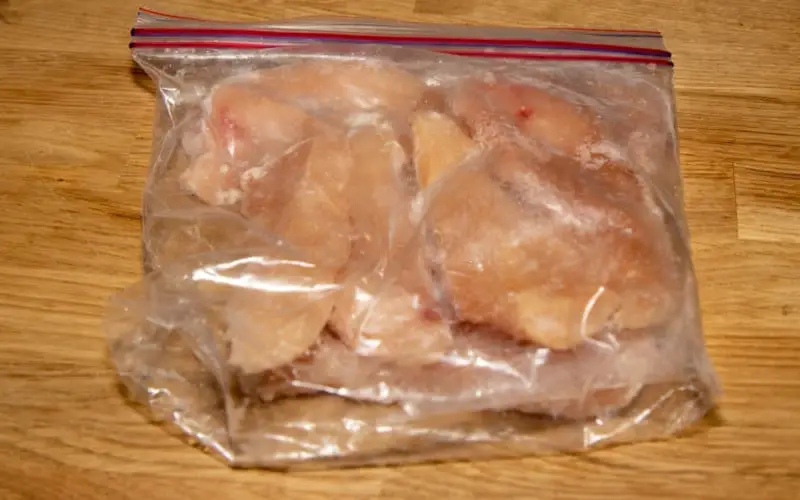 Cooked Chicken Left Out Overnight In Sealed Container | Detroit Chinatown
What Should You Do Right Now?
If you’re reading this at 7 AM, staring at last night’s sealed chicken: bin it. No guilt, no “but it’s a waste of money.” The cost of a chicken breast is way less than the cost of a hospital visit plus three days of missing work while your digestive system starts a riot. Throw it away with a solemn nod, like you’re at a tiny funeral for poor life choices.
Next time, set a timer when you finish dinner: two hours to get it in the fridge. Or better yet, split the chicken into shallow containers so it cools fast. That’s the pro move—like a chef with a time-management PhD. Your future self, free from explosive diarrhea, will thank you.
The Takeaway (Not the Chicken)
Listen, I’m not here to judge. We’ve all left pizza out overnight and lived to tell the tale—but pizza is dry, low-moisture, and usually safe for a few hours. Chicken is a moist, protein-rich playground that turns into a microbial mosh pit by dawn. Treat it like a fragile celebrity: get it to a cold, dark place fast.
So, to recap: sealed container + overnight counter = regret buffet. Toss it, learn the lesson, and keep your kitchen adventures focused on flavor, not fever. Now go forth, cook new chicken, and refrigerate it like you mean it. Your gut will buy you a beer later.
