Converting Tomato Paste To Tomato Sauce

Have you ever opened a can of tomato paste, only to realize you need a drizzle of sauce but not a full batch? The magic of turning thick, concentrated tomato paste into smooth...

Have you ever opened a can of tomato paste, only to realize you need a drizzle of sauce but not a full batch? The magic of turning thick, concentrated tomato paste into smooth, adaptable tomato sauce is one of the kitchen’s most gratifying shortcuts. It’s a playful experiment that saves time, money, and even reduces waste. Whether you’re a busy weeknight cook or an adventurous home chef, learning this simple conversion gives you a versatile base you can customize for countless dishes, turning a single can into a culinary toolbox you’ll reach for again and again.
Why bother turning paste into sauce? The answer lies in flexibility. Tomato paste is a concentrated powerhouse—just one tablespoon can deliver a rich, deep tomato flavor without the watery bulk of canned sauce. By diluting it with water, broth, or even a splash of wine, you control the thickness to match the dish: a thin puddle for simmering soups, a medium glaze for roasting veggies, or a thick reduction for topping. This control also means you keep sodium and added sugars where you want them, giving you a healthier, more personalized pantry staple.
Picture a busy Tuesday night: you have meatballs ready but no sauce jar. Grab that half‑full can of tomato paste, whisk in one cup of warm chicken broth, and add a pinch of fresh basil and a dash of garlic powder. In under five minutes you’ve created a silky sauce that clings perfectly to noodles, making the dish feel restaurant‑worthy. The same base works wonders in a quick chili: stir in black beans, a spoonful of cumin, and a splash of lime to transform the paste into a hearty, smoky topping for tacos. The possibilities balloon when you realize the sauce is just a canvas waiting for your personal flair.
Must Read
Beyond the classics, you can turn your converted sauce into a flavor adventure. For a North African twist, blend in a spoonful of harissa and a pinch of cinnamon, then drizzle over roasted chickpeas. If you crave a smoky Mediterranean vibe, add smoked paprika, a drizzle of olive oil, and a squeeze of lemon to the base before simmering. Even dessert lovers can get involved: reduce the sauce with a hint of sugar and a splash of balsamic vinegar to create a luscious compote for vanilla ice cream. Each experiment proves that tomato paste isn’t just a filler—it’s a springboard for endless culinary creativity.
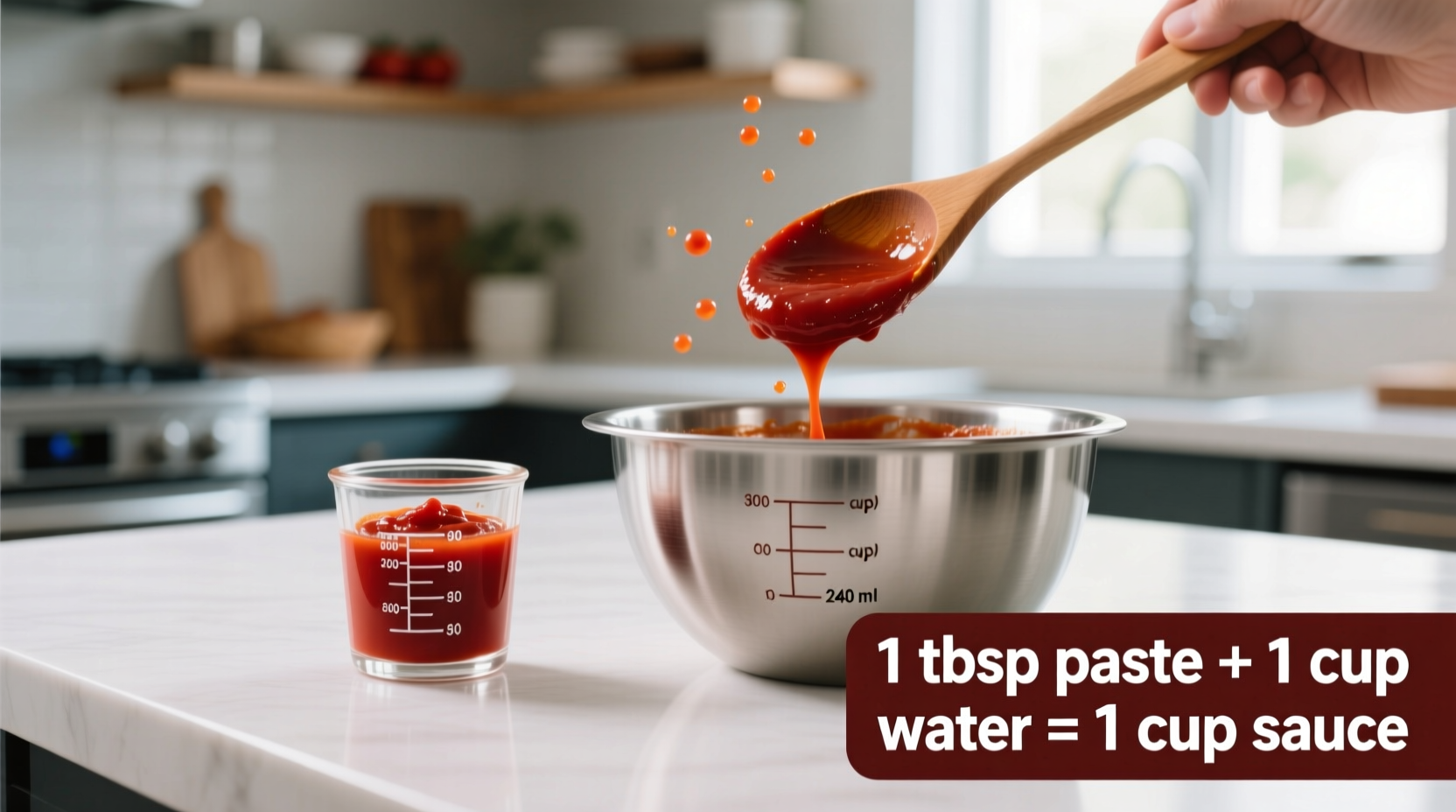
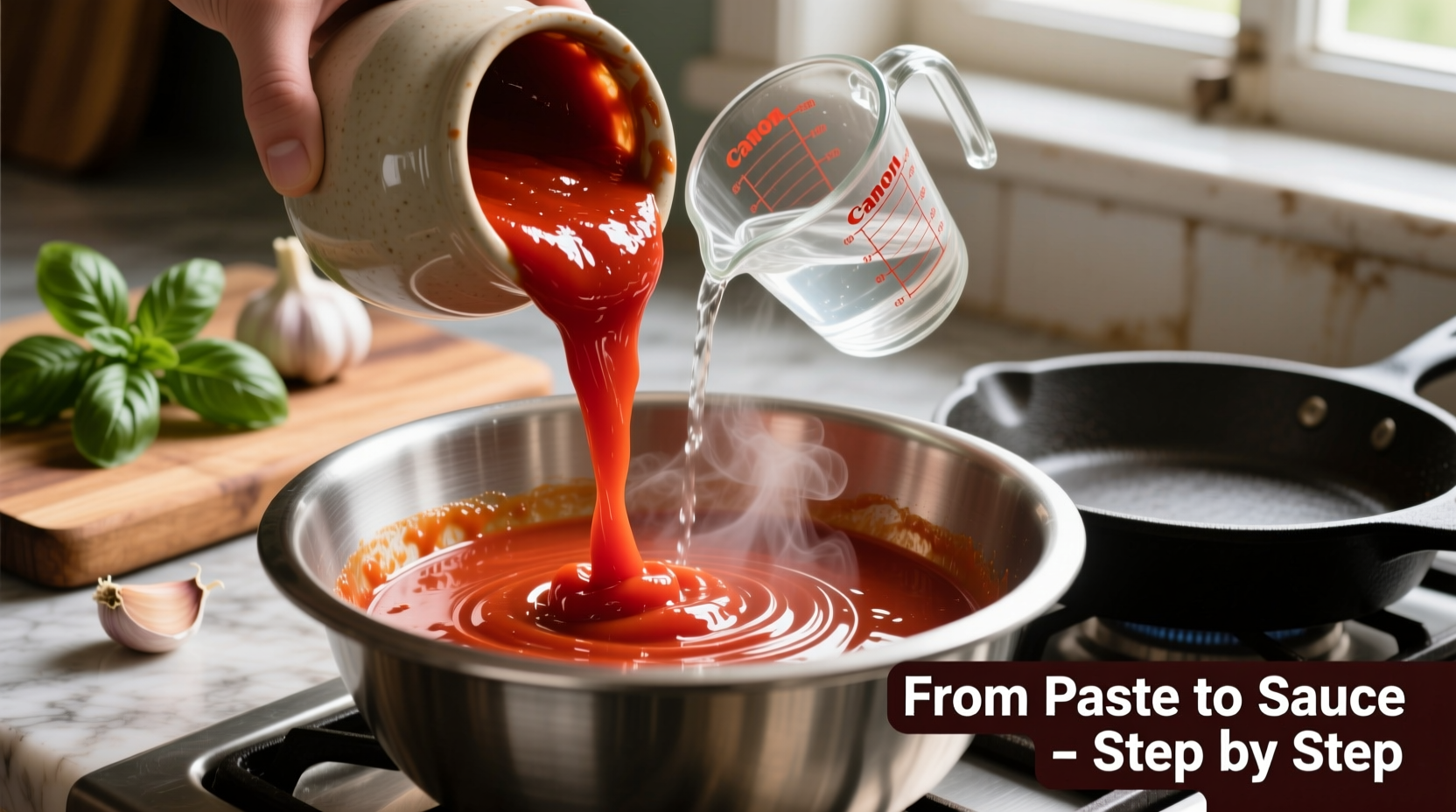
To get the best results, keep three simple ratios in mind: 1 tablespoon paste + 1 cup liquid for a light broth, 2 tablespoons paste + ½ cup liquid for a medium‑thick sauce, and 3 tablespoons paste + ¼ cup liquid for a dense reduction. Start by whisking the paste with a splash of cold water to loosen it, then add the remaining liquid gradually, stirring to avoid lumps. Simmer the mixture for 5–7 minutes, letting it bubble gently so the flavors meld. Taste, then adjust with salt, sugar, or acid (a pinch of citrus zest works wonders) to balance the brightness of the tomato.
 Tomato Paste to Sauce: Perfect Conversion Guide
Storing your improved sauce is just as easy as making it. Once you’ve achieved the perfect consistency, let the sauce cool completely, then transfer it to an airtight container. A small glass jar will keep the flavor bright for up to five days in the refrigerator; for longer life, freeze it in a silicone ice cube tray. Each cube is instantly measurable—just pop one into a hot pan and you have a single‑portion sauce ready for a quick stir‑fry, a pizza topping, or a dipping sauce for roasted veggies. If you love experimenting, label each batch with the added herbs or spices you included. That way, you’ll always know whether you’re reaching for the Mediterranean blend or the spicy chili mix next time.
Finally, remember that the conversion process is a playground, not a prescription. Try adding a splash of balsamic vinegar for a sweet‑tangy kick, or stir in a spoonful of pesto for an unexpected herbaceous depth. If you’re watching sodium, replace regular salt with sea salt flakes and finish with a tiny pinch of smoked salt for complexity. Keep a notebook of your favorite ratios, ingredients, and cooking times; this personal collection will soon become your go‑to guide, turning a humble can of tomato paste into the secret weapon behind every delicious sauce you create.