Chuck Roast Is Beef Or Pork

There’s a special kind of comfort in a meal that simmers away on the stove for hours, filling the house with a rich, savory aroma. The kind of meal that feels like a warm hug...
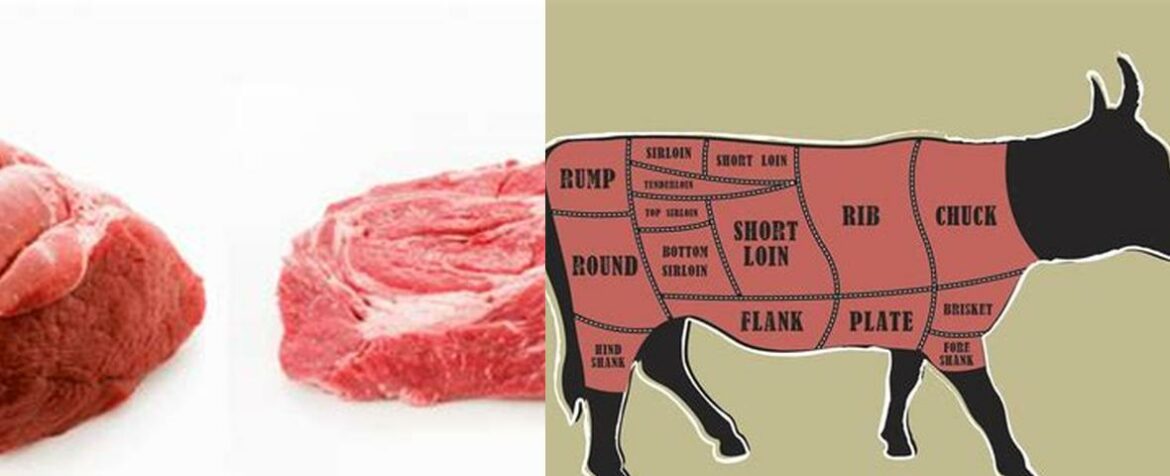
There’s a special kind of comfort in a meal that simmers away on the stove for hours, filling the house with a rich, savory aroma. The kind of meal that feels like a warm hug on a chilly evening, or a celebration of simple, honest cooking. That’s where the humble chuck roast comes in. But before you head to the grocery store, there’s one friendly, practical question that often pops up: is a chuck roast beef or pork? The answer is beef, and understanding this simple fact opens the door to a world of hearty, budget-friendly cooking that anyone can enjoy.
Let’s clear things up right from the start: chuck roast is a cut of beef, not pork. It comes from the shoulder area of a cow, specifically the forequarter, a part of the animal that works hard. Because it gets a lot of exercise, this cut is packed with flavor but also has a good bit of connective tissue. This is actually a good thing. The main purpose of a chuck roast is to be cooked slowly—braised, pot-roasted, or simmered—which breaks down that tough tissue into silky, rich gelatin. The result is a tender, falling-apart piece of meat that is the star of dishes like classic pot roast, beef stew, or shredded beef for tacos. For busy cooks, it’s a practical win: you get deep, beefy flavor without a high price tag.
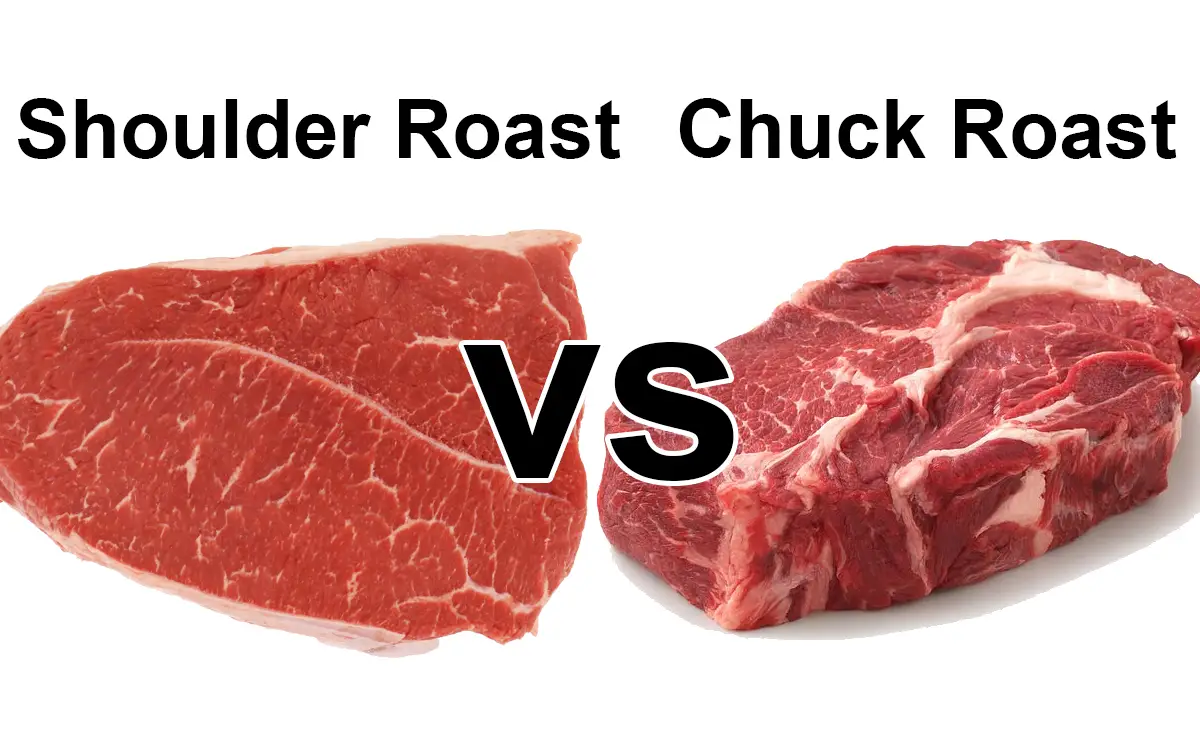
Because chuck roast is beef, it works beautifully in recipes that call for that specific, robust taste. Pork roasts, on the other hand, come from the shoulder (like Boston butt) or loin of a pig, and they have a milder, sweeter profile. Mistaking one for the other can lead to a culinary surprise—like making a pork pot roast when you were craving that deep, iron-rich beef flavor. To keep things straight, look at the label at the store. It will usually say “Beef Chuck Roast” or just “Chuck Roast.” Many butchers also sell pork shoulder roast, which is sometimes called “pork butt” or “Boston butt.” They might look similar in shape, but the color and grain are different: beef is a deeper, darker red, while pork is a lighter pink with more visible marbling of fat.
Must Read
One of the best things about chuck roast is how forgiving it is, making it a fantastic choice for beginners. The simple tip? Low and slow is your friend. Don’t rush it. You can brown the roast in a hot pan first for extra flavor, then place it in a pot with some aromatic vegetables like onions, carrots, and celery. Add a splash of broth or red wine, pop on a lid, and let it simmer away in a 300°F oven or on the stovetop for three to four hours. You’ll know it’s done when you can pull it apart with a fork. That is the magic moment. For a variation that’s hugely popular, try a Mississippi Pot Roast: just chuck roast, a packet of ranch dressing mix, a packet of au jus gravy mix, pepperoncinis, and butter. It’s almost impossible to mess up and incredibly delicious.
 Differences Between Roasted | What’s the Difference Between Baking and
Another benefit of chuck roast is its versatility across different cuisines. Because it’s beef, you can give it a global spin. Shred it up and sauce it with Korean barbecue flavors for tacos, or braise it with tomatoes, cumin, and chilies for a Mexican-inspired barbacoa. For a more traditional approach, a simple Sunday pot roast with potatoes and root vegetables is a classic family meal that never fails to please. The key is always the same: make sure the meat is submerged in liquid and cook it until it’s fork-tender. Don’t be tempted to cook it on high heat—that will make it tough and dry. Patience is rewarded with a fork-tender feast.
To make the most of your chuck roast, don’t forget about leftovers. They are a gift. Shredded cold beef makes excellent sandwiches, or you can reheat it in its own juices. You can also chop it up and toss it into a hearty hash with potatoes for breakfast or lunch. If you buy a larger roast, it’s often more economical than smaller cuts. Just remember that a three-pound roast will easily feed a family of four with leftovers for the week. The key takeaway is simple: next time you see a chuck roast in the meat case, you’ll know it’s beef—and that means a world of rich, slow-cooked possibilities is at your fingertips, for any day of the week.
