Chorizo What Part Of The Pig

So, you’re standing in the grocery aisle, staring at a package of chorizo. It’s crumbly, it’s red, and it smells like a party waiting to happen. But a tiny, curious voice pops...

So, you’re standing in the grocery aisle, staring at a package of chorizo. It’s crumbly, it’s red, and it smells like a party waiting to happen. But a tiny, curious voice pops into your head: What part of the pig actually goes into this thing? Let’s be real—it’s a fair question, and the answer is way cooler than you might think.
The short, honest answer
Chorizo, especially the Spanish or Mexican kind you see at the market, doesn’t come from one fancy, prime cut. Nope. It’s like the mystery mix of the pig, but in the best possible way. Think of it as the pig’s version of a potluck: a little bit of this, a little bit of that, all ground up together.
Typically, chorizo uses pork shoulder or pork butt (which is actually from the upper shoulder, not the rear—pigs are tricky like that). But that’s just the star of the show. The real magic comes from the fatback and trimmings—those bits that butchers trim off other cuts. Why? Because chorizo needs fat to stay juicy and to carry all those smoky, spicy flavors.
Must Read
And here’s the kicker: sometimes, off-cuts like the belly, jowl, or even liver sneak into traditional recipes. It’s not weird—it’s resourceful. Back in the day, people used everything so nothing went to waste. That’s the heart of chorizo: it’s the pig’s second act.
The "secret ingredient" that isn't pig
Okay, so we know it’s mostly pork, but what makes chorizo chorizo? It’s the seasoning—the soul of the sausage. Spanish chorizo leans on smoked paprika (pimentón), which gives it that deep, brick-red color and a sweet, earthy kick. Mexican chorizo, on the other hand, loves vinegar, chili peppers, and cumin. It’s like two different bands playing the same song: same basic instrument (pork), totally different vibe.
Without these spices, you’d just have ground pork—boring, right? The paprika and chilies are the paint that turns a blank canvas into a masterpiece. So, when you eat chorizo, you’re not just eating “pig parts.” You’re tasting a tradition that’s been passed down for generations.
But wait—is it all the same?
Not even close. Spanish chorizo is usually cured and dried, like a salami. You can slice it and eat it on a charcuterie board. Mexican chorizo is raw and crumbly—you cook it in a skillet until it’s crispy and oozing red oil. The part of the pig might be the same, but how it’s treated changes everything. Imagine the difference between a sun-dried tomato and a fresh, plump one. Same fruit, totally different world.
Here’s a fun comparison: think of Spanish chorizo as the fine wine of pork—aged, subtle, ready to party solo. Mexican chorizo? That’s the molten lava of the pig world—hot, messy, and perfect for scrambling with eggs or stuffing into tacos. Both are incredible. Both use the same humble pig parts. The difference is all in the attitude.
Why should you care about the "parts"?
Because knowing this makes you the cool person at the dinner party. When someone says, “I love chorizo,” you can lean in and whisper, “You know, it’s actually the pig’s cast-offs, right? But the fat? That’s the flavor engine.” Trust me, people will think you’re a food genius.
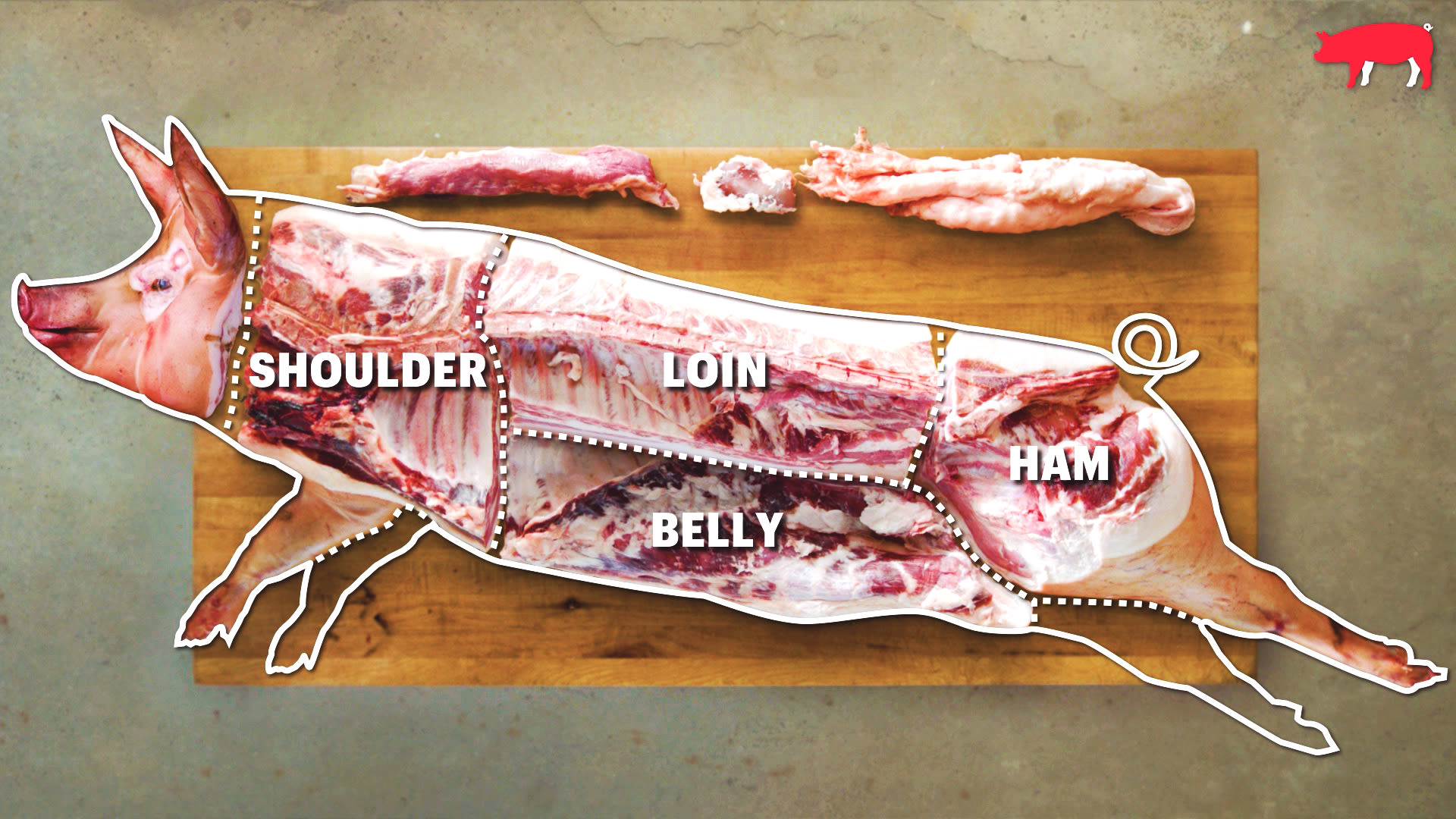 Watch How to Butcher an Entire Pig - Every Cut of Pork Explained
But more importantly, it’s a reminder that amazing food doesn’t need to come from expensive, perfect cuts. The trimmings and fat—the bits often thrown away—become the stars when treated with respect and spice. Isn’t that kind of beautiful? It’s like finding art in a junkyard.
A quick reality check
Now, don’t go thinking chorizo is a health food. It’s rich. A single link can have more fat than a burger. But that’s exactly why it’s so good—the fat is where the flavor lives. Think of it as the butter of the pig. You wouldn’t eat a stick of butter by itself, but you’d sure use it to make a cake unforgettable. Same deal here.
And if you’re vegetarian? Don’t worry—soy chorizo is a thing, and it’s pretty decent. But it misses the pork fat soul. Sorry, plants. You can’t replicate pork jowl.
How to pick a good one
If you’re at the market, look for chorizo that feels firm (for Spanish) or moist (for Mexican). The color should be a deep, angry red. Smell it—if it smells like a barbecue and a spice rack had a baby, you’re on the right track. Avoid anything that smells like ammonia or old gym socks. That’s a dead giveaway of bad fat.
Pro tip: if the label says “made with select pork cuts,” it’s usually butt and shoulder. If it says “pork,” it might include those mystery parts. And mystery can be fun, but for your first time? Stick with the shoulder. It’s the safe, delicious bet.
The bottom line
Chorizo is a glorious, spicy reminder that the whole pig can be amazing. It’s not about a specific part—it’s about the craft of using everything, grinding it down, and painting it with paprika and fire. So next time you fry up a crumble, give a little nod to the pig parts that made it possible. They’re not leftovers. They’re legends.
Now, go make some tacos. You’ve earned it.
