Chicken Gizzards Are What Part Of The Chicken

Welcome to a wonderfully curious corner of culinary knowledge! Have you ever ordered a plate of chicken gizzards at a soul food restaurant or spotted them in the meat aisle at...

Welcome to a wonderfully curious corner of culinary knowledge! Have you ever ordered a plate of chicken gizzards at a soul food restaurant or spotted them in the meat aisle at your grocery store and wondered, what in the world is a gizzard? You are not alone! This part of the chicken often sparks questions, curiosity, and even a few raised eyebrows. The good news is that understanding gizzards is not only fun — it opens the door to an affordable, protein-rich ingredient that millions of people around the globe enjoy every single day. So sit back, relax, and let us explore this fascinating little organ together.
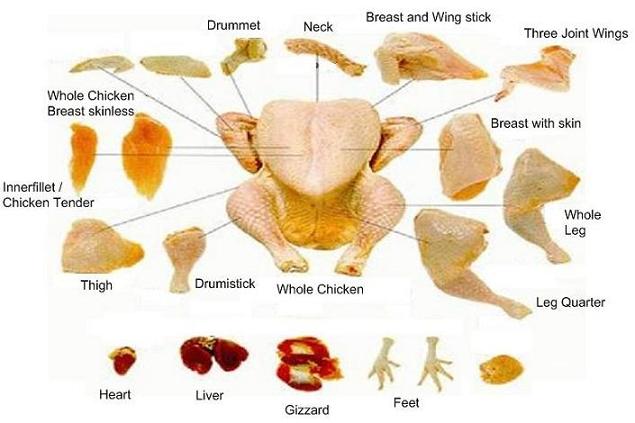
So, exactly what part of the chicken is a gizzard? The gizzard is part of the chicken's digestive system, specifically located in the stomach area. Chickens do not have teeth, so they rely on this muscular organ to do the crunching for them. When a chicken eats, food travels from the beak down the esophagus and into a pouch called the crop for temporary storage. From there, the food enters the gizzard, which is essentially a second stomach lined with tough, layered tissue. The gizzard grinds food by squeezing and pressing it against small stones and grit that the chicken swallows naturally. Think of it as the chicken's personal biological food processor — powerful, efficient, and absolutely essential for survival. Without this remarkable organ, a chicken would struggle to extract the nutrients it needs from grain, seeds, and insects.
Now that we know what a gizzard is, let us talk about why people love eating them. In the world of cooking, gizzards are considered a delicacy and an everyday ingredient depending on where you are. In the southern United States, fried chicken gizzards are a beloved staple at picnic tables and family gatherings. Across Southeast Asia, gizzards are chopped into stir-fries, simmered in soups, and tossed with spicy sauces. In European and Latin American cuisines, gizzards appear in stews and slow-cooked dishes. The beauty of gizzards lies in their versatility. They are surprisingly high in protein, low in fat, and packed with iron and B vitamins. They also tend to be much cheaper than cuts like chicken breast or thighs, making them a smart option for budget-conscious home cooks who still want to enjoy a nutritious meal.
Must Read
Let us get creative with some fun ideas for preparing gizzards at home. One crowd-pleasing approach is to make crispy fried gizzards: simply boil them until tender, coat them in seasoned flour, and fry until golden and crunchy. Another fantastic option is a gizzard and rice gumbo, where slow-simmered gizzards add deep, savory flavor to the pot. If you enjoy international flavors, try marinating gizzards in a mixture of soy sauce, garlic, and ginger, then stir-frying them with vegetables for a quick weeknight dinner. For something truly adventurous, skewer pieces of gizzard alongside peppers and onions and grill them over high heat — the smoky char pairs beautifully with the meat's naturally chewy texture. You could even pickle them! Many cultures preserve gizzards in a vinegary brine, creating a tangy snack that lasts for weeks in the refrigerator. The possibilities are truly endless once you open your mind to this underappreciated cut.
:max_bytes(150000):strip_icc()/what-are-giblets-995697-c52b32fdb89147f5a28c68f36ca57147.png) What Are Giblets?
What Are Giblets?
If you are a first-timer heading to the kitchen, here are some practical tips to ensure success. First, always b and remove any silvery membrane on the surface of each gizzard before cooking, as this tough layer does not soften well. Second, plan your cooking time carefully — gizzards are naturally firm, so braising, stewing, or boiling them for at least 45 minutes to an hour will give you the most tender result. If you prefer a faster method, marinating them with a splash of vinegar or pineapple juice beforehand helps break down the connective tissue. Third, seasoning is your best friend. Gizzards have a mild, slightly gamey flavor that benefits greatly from bold spices like cayenne, paprika, garlic powder, and black pepper. Finally, buy them from a trusted source — look for gizzards that are pinkish-red, firm, and free of any unpleasant odor. Most supermarkets sell them pre-cleaned, but if yours are whole, take a few minutes to trim them up for better texture and presentation.
There you have it — chicken gizzards are far more than an oddity hiding at the bottom of a chicken's body. They are a nutritious and delicious organ that feeds communities across every continent. Whether you fry them crispy, simmer them into a rich stew, or toss them on a grill, gizzards deserve a spot in your culinary repertoire. So the next time you see them at the store, do not shy away. Grab a pack, bring your creativity, and discover for yourself why these humble muscular little wonders have held a place on dinner tables for centuries. Happy cooking!
:max_bytes(150000):strip_icc()/chicken-gizzards-25f6902cc6a949d08a99923735fa079c.png)
