Chemical Reactions When Baking A Cake

Have you ever wondered what's really happening when your cake rises in the oven? Every time you bake, you are actually hosting a miniature science laboratory right in your kit...
Have you ever wondered what's really happening when your cake rises in the oven? Every time you bake, you are actually hosting a miniature science laboratory right in your kitchen. The magic of baking is, at its core, pure chemistry — and it's far more fascinating than you might think!

![Examples of Chemical Reactions in Everyday Life [5 Examples] - Teachoo](https://cdn.teachoo.com/large/b5837d76-05e9-42ad-ad42-1f412dc5057a/chemical-reaction---teachoo.jpg)

It All Starts With Ingredients
Before we dive into the reactions, let's take a moment to appreciate the ingredients. Flour, sugar, eggs, butter, and baking powder might seem like simple pantry staples, but each one plays a critical chemical role. The moment you start mixing them together, you set off a chain of reactions that will transform raw batter into a glorious, fluffy cake. One of the first reactions you'll notice is when you whisk eggs together. The proteins in the eggs unfold and trap air bubbles — a process called protein denaturation. It sounds technical, but it's basically eggs rearranging themselves into tiny air pockets for you.Mixing and Hydration
When you combine flour with liquid, something pretty cool happens. The proteins glutenin and gliadin meet water and link up to form gluten, the stretchy network that gives your cake a bit of structure. Don't worry too much about overmixing — cake flour actually has less protein than bread flour, so you get a tender crumb every single time. Sugar isn't just there for sweetness, you know. It actually competes with gluten for water during mixing, which keeps the gluten network softer and your cake more delicate. Chemistry is basically looking out for your taste buds! Meanwhile, butter is doing its own bit of work. It coats flour particles and traps tiny air bubbles, which will expand later during baking to create that light, fluffy texture you love. Isn't it fun when fat becomes so unexpected?The Magic of Leavening
Here's where things get truly exciting. When calcium bicarbonate (baking powder) reacts with acid and moisture, it releases carbon dioxide gas — and that gas is what makes your cake climb. Those bubbles are on a mission to push your batter upward, one molecule at a time. Baking soda (sodium bicarbonate) works in a similar way but needs an acidic partner like buttermilk or vinegar to activate. The reaction produces CO2, water, and a salt, all of which contribute to your cake's texture. It's a simple chemical equation that produces something truly delicious. Your oven then plays a crucial supporting role. The heat causes those trapped gas bubbles to expand, pushing your cake even higher as it bakes. If you've ever peeked through the oven door and watched your cake rise, you've literally been witnessing chemistry in action!Browning and the Maillard Reaction
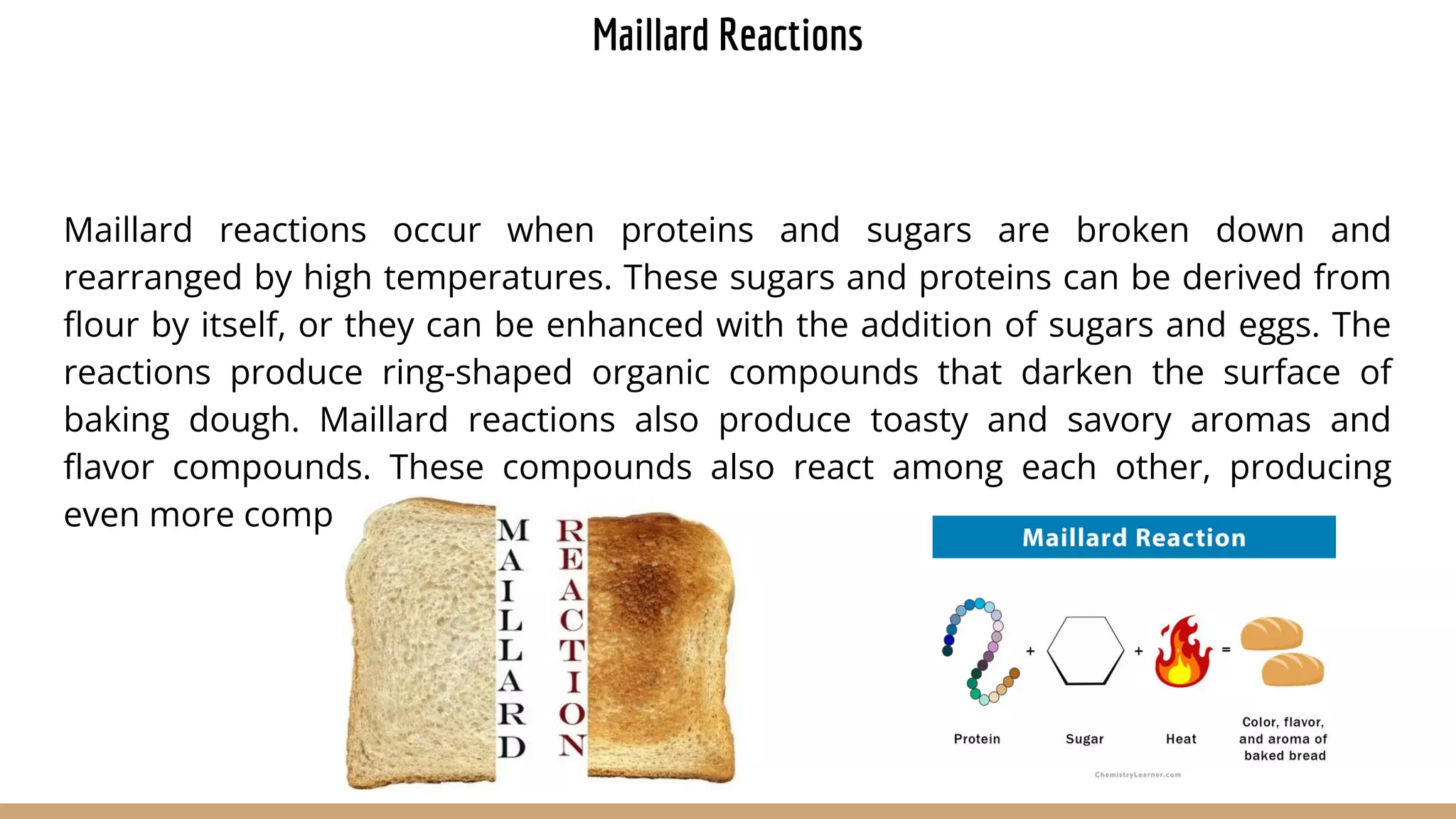
As the temperature climbs above 300°F (about 150°C), another beautiful reaction kicks in. This is called the Maillard reaction, where sugars and amino acids interact to create hundreds of new flavor compounds. It's the same reaction responsible for the golden-brown crust on your bread, your grilled steak, and your toasted marshmallows. Not to mention and the caramelization of sugar, which happens around 340°F. Sugar molecules break apart and rearrange into rich, toasty compounds that add depth and warmth to every bite. Your cake's golden top is basically a science experiment that went wonderfully right. Then there's the egg proteins tightening up and setting the structure. The starch in flour also gelatinizes, absorbing moisture and solidifying into the crumb you slice into at the party. Every element has its moment in the spotlight.Why Baking Is Worth Celebrating
The incredible thing? You don't need a lab coat or a PhD to witness these amazing reactions. Just grab a whisk, crack open some eggs, and let the chemistry do its thing. Baking is genuinely one of the most accessible and joyful forms of science available to everyone. Next time you bake, take a moment to appreciate what's happening under the surface. Every rise, every bubble, every golden edge is proof that chemistry is alive and well in your kitchen. You're not just making a cake — you're orchestrating a symphony of chemical reactions. So go ahead, preheat that oven and embrace the science behind the sweetness. The world is full of extraordinary reactions waiting to be discovered, and your kitchen is the perfect place to start. Let your curiosity rise — just like your cake will!
